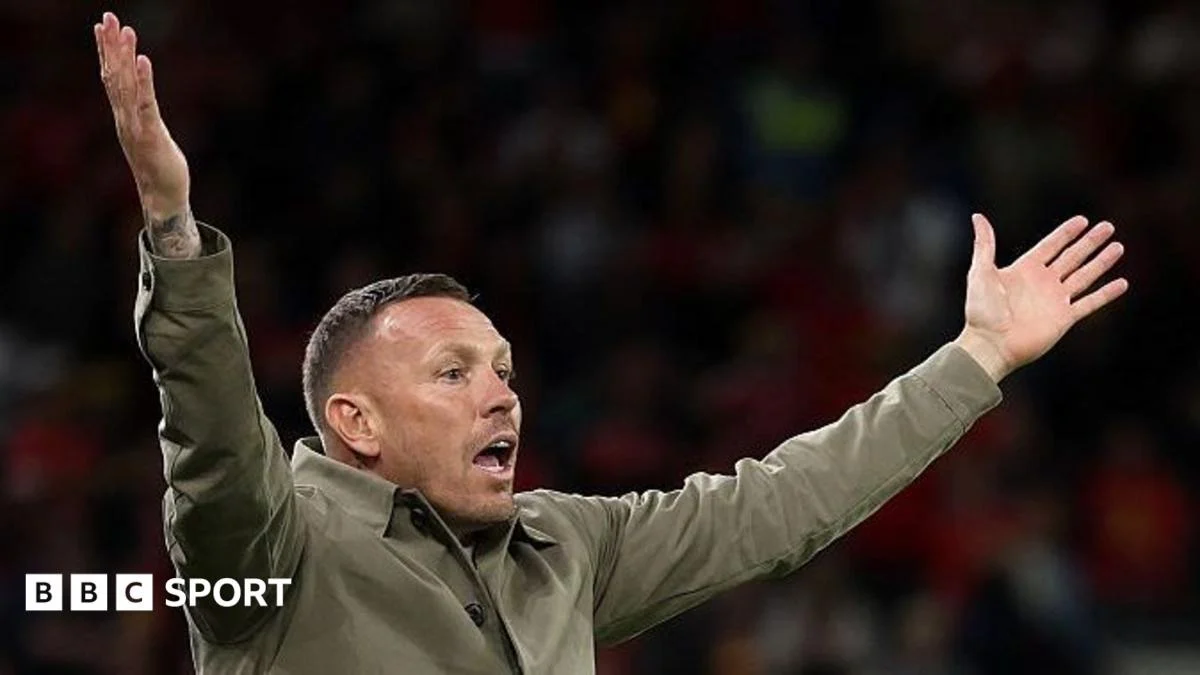
Wales manager Craig Bellamy has voiced serious concerns over the restructuring of the international football calendar, warning that the newly introduced four-game international windows are designed primarily to benefit the sport’s elite nations while placing an unsustainable physical burden on smaller squads. Bellamy’s comments follow a grueling period for his side, which culminated in a narrow defeat to Denmark at the Cardiff City Stadium. The match served as a stark illustration of the difficulties mid-tier international teams face when trying to navigate an increasingly congested calendar, particularly when confronted with a debilitating wave of injuries to key personnel.
The crux of Bellamy’s frustration lies in a major structural change to the international football calendar implemented this year. Historically, the autumn international schedule was structured around a predictable and manageable rhythm. National sides would typically play six matches distributed evenly across three separate international windows in September, October, and November. Each of these windows consisted of two fixtures, allowing players a period of intense focus with their national sides before returning to their domestic clubs to recover and maintain their match fitness. This traditional format provided a balanced cadence that allowed managers of nations with smaller player pools to field their strongest lineups, confident that their players would have ample time to recover between international breaks.
However, this season saw a radical departure from that established tradition. For the first time, football’s governing bodies decided to merge the September and October international breaks into a single, continuous block. Instead of two separate windows featuring two matches each, teams were suddenly tasked with playing four highly competitive international fixtures in rapid succession within a single, extended camp. While the change was designed to streamline the calendar, the practical reality of preparing a squad for four matches in such a short timeframe has introduced unprecedented physical and tactical challenges for managers, exposing the stark disparities in squad depth between the world’s leading footballing nations and those with more limited resources.
Wales’ prospects of successfully adapting to this intensive new schedule were severely compromised from the outset by a relentless series of injuries. In a traditional two-game window, a minor injury might sideline a player for a single match, or perhaps see them miss one international break before returning for the next. Under the new merged system, however, the consequences of injury are multiplied. Wales were forced to enter this critical period without several of their most influential figures, as Karl Darlow, Joe Rodon, Dylan Lawlor, and Harry Wilson were all ruled out of the entire international camp. Losing four key players for the duration of a four-game block stripped Bellamy of his tactical core and left his squad severely depleted before a ball had even been kicked.
The injury crisis deepened further as the camp progressed. Following a demanding opening match against Portugal, which ended in defeat, Wales suffered yet another major setback when David Brooks was forced to withdraw from the squad. The loss of Brooks further limited Bellamy’s options in attack and midfield, forcing the coaching staff to continuously adjust their plans and ask more of the players who remained fit. With each passing game, the physical toll of the merged window became more pronounced, forcing Bellamy into difficult decisions regarding player safety and squad rotation.