In the contemporary landscape of digital imagery, where high-resolution sensors and sophisticated algorithms strive to reveal every minute detail of a scene, a curious paradox has emerged at the heart of the craft. While technical perfection is more accessible than ever, the most evocative and enduring photographs are often those that choose to withhold information rather than disclose it. According to renowned photographer Richard Bernabe, in a series of insights shared through Muench Workshops, the strategic use of mystery has become a "secret weapon" for the modern artist—a way to transform a literal record of a moment into an expressive work that resonates long after the initial viewing.
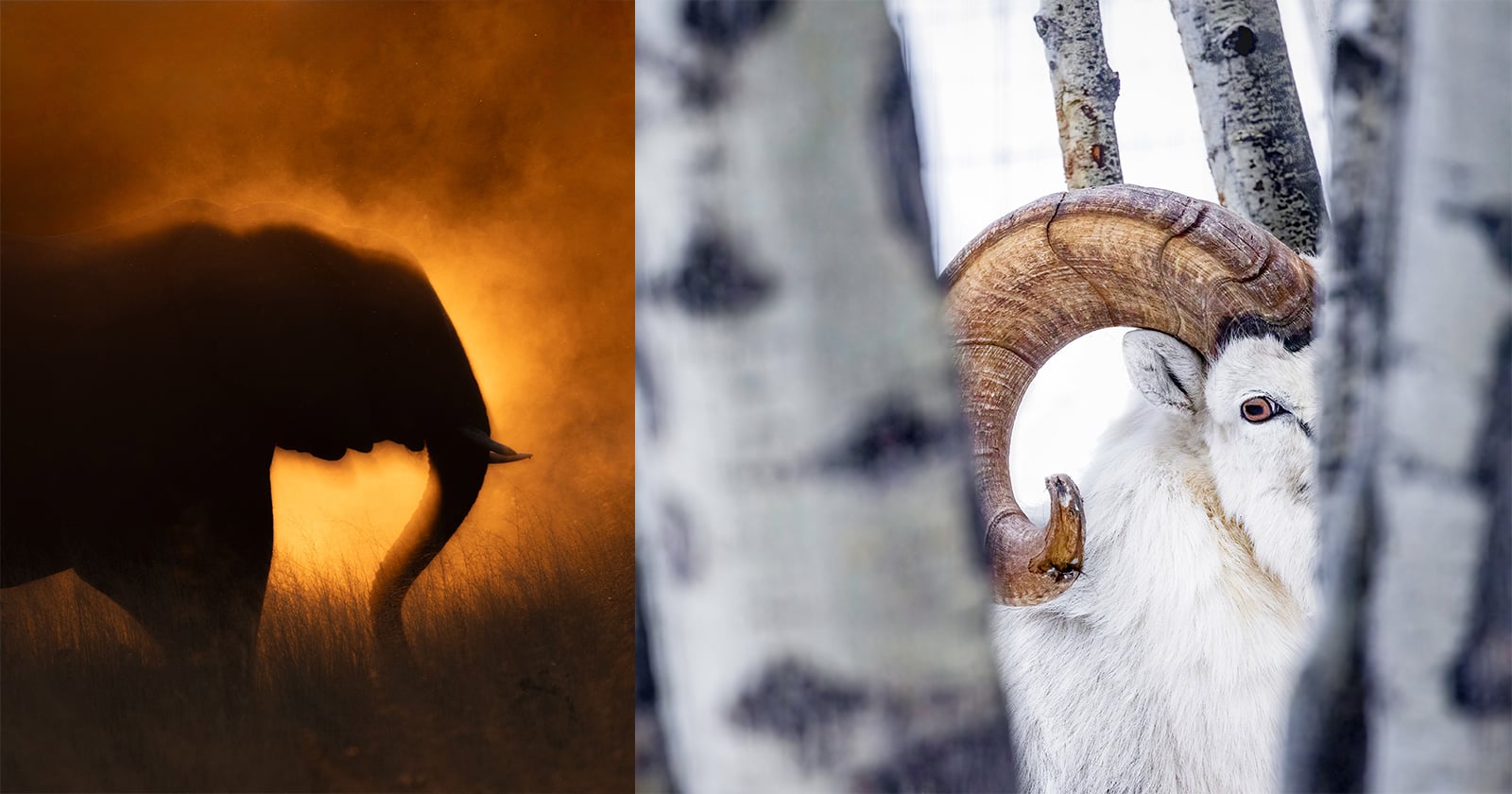
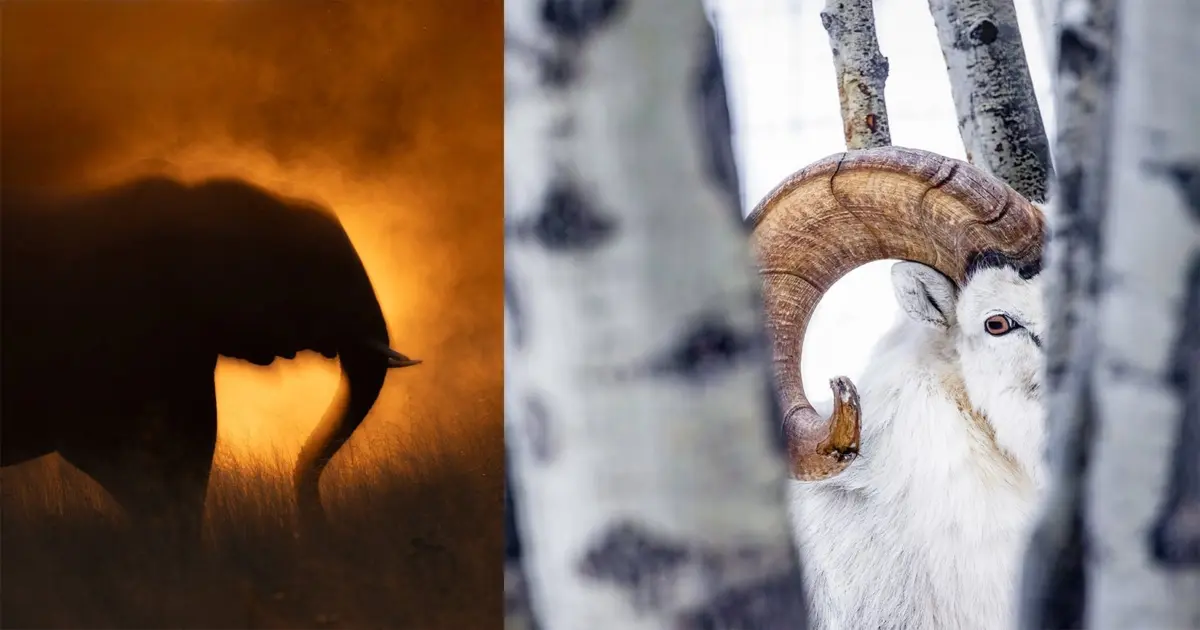
In an era defined by instant gratification and the relentless oversharing of visual data, the concept of the "unseen" offers a refreshing departure. By leaning into the suggested, the obscured, and the ambiguous, photographers can tap into a primal aspect of human psychology: our innate drive to solve puzzles and complete unfinished narratives.
The Psychology of the Incomplete Pattern
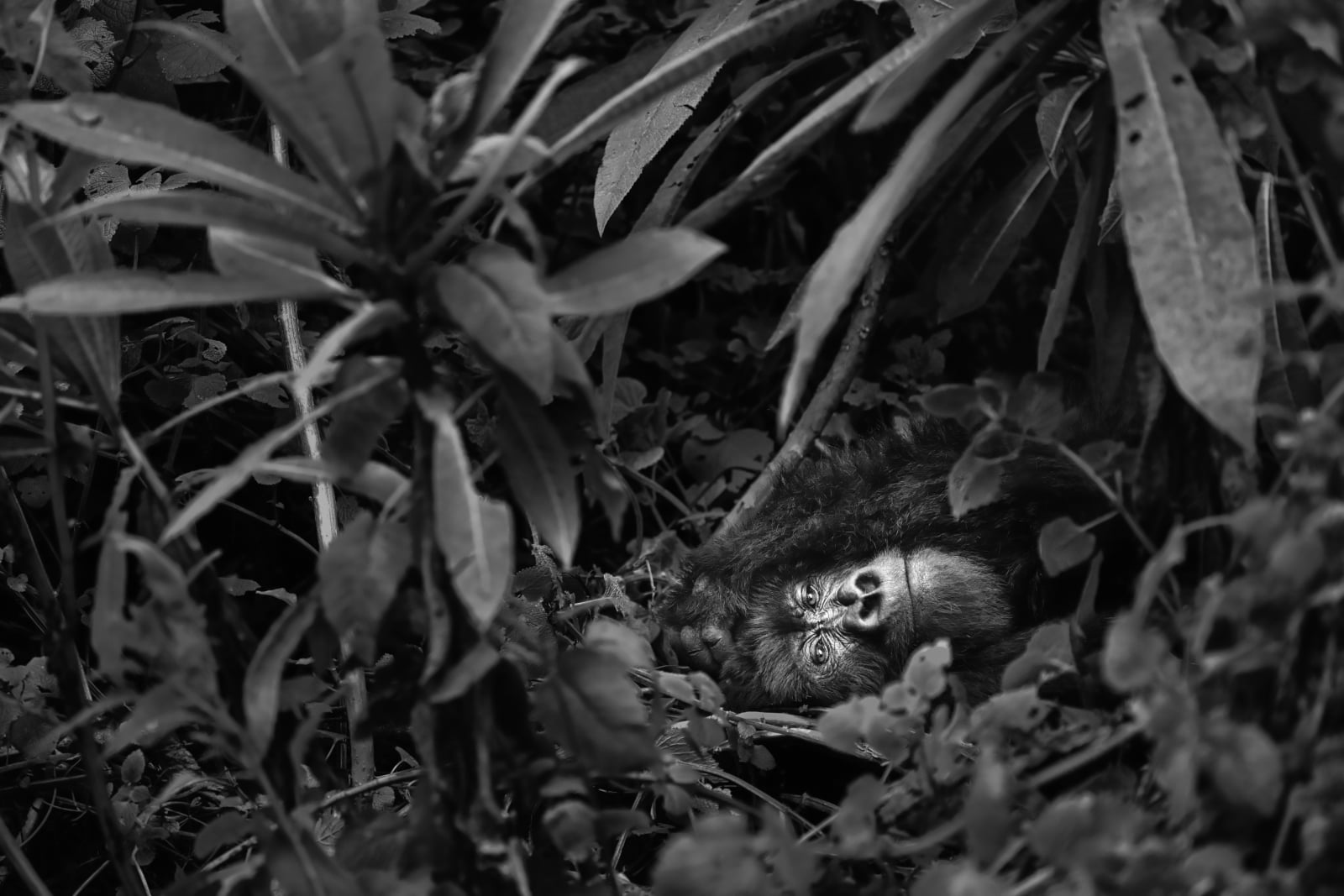
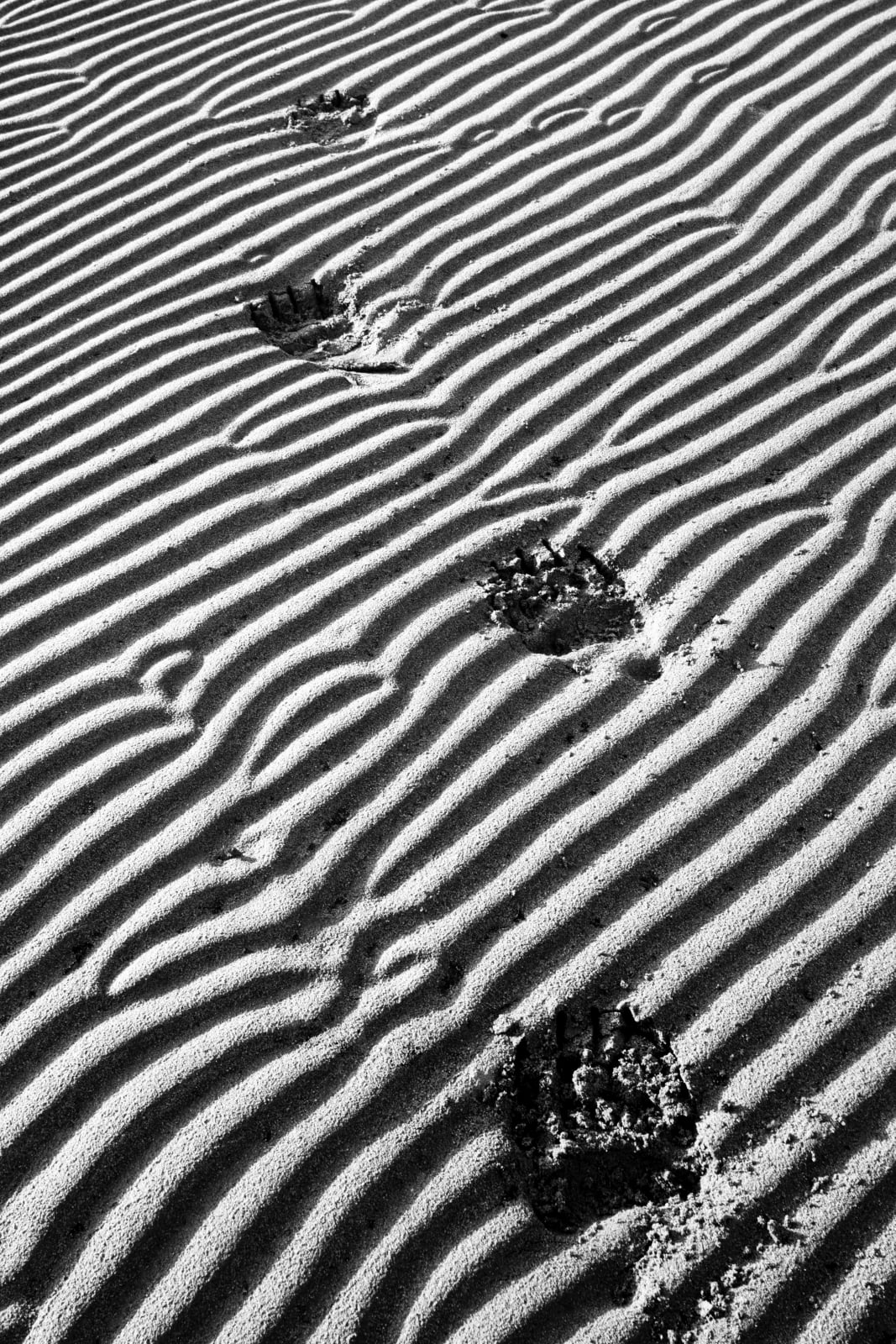
Human cognition is hardwired for pattern recognition and completion. When we encounter a visual "gap"—whether it is a predator’s eye peering through dense grass or a trail that vanishes into a thick mist—our brains do not simply ignore the missing information. Instead, we lean in. This phenomenon creates a form of cognitive tension that demands resolution.
Bernabe notes that when a photograph explains everything, it provides immediate satisfaction but often fails to leave a lasting impression. Once the "data" of the image is processed, the viewer moves on. However, an image that incorporates mystery invites the viewer to stay. We explore the frame, searching for clues, and in doing so, we construct our own visual narratives to fill in the blanks. This transition from passive observation to active participation is what gives an image its emotional weight and staying power.
This approach to photography was not born in a vacuum; it is a legacy inherited from centuries of artistic tradition. In literature, Ernest Hemingway famously championed the "Iceberg Theory," suggesting that the dignity of movement of an iceberg is due to only one-eighth of it being above water. He believed that a writer could omit things they knew, and the reader would feel those omissions as if the writer had put them in.
Similarly, in the world of fine art, the Mona Lisa’s smile remains the most discussed expression in history precisely because it is enigmatic. It is an unresolved visual chord that allows the viewer to project their own emotions onto the canvas. Even in cinema, the most effective thrills often come from what is not shown; the shark in Steven Spielberg’s Jaws is terrifying because for much of the film, it exists only in the viewer’s imagination, fueled by suggestion and suspense.
Less Can Be More: The Strategy of Withholding
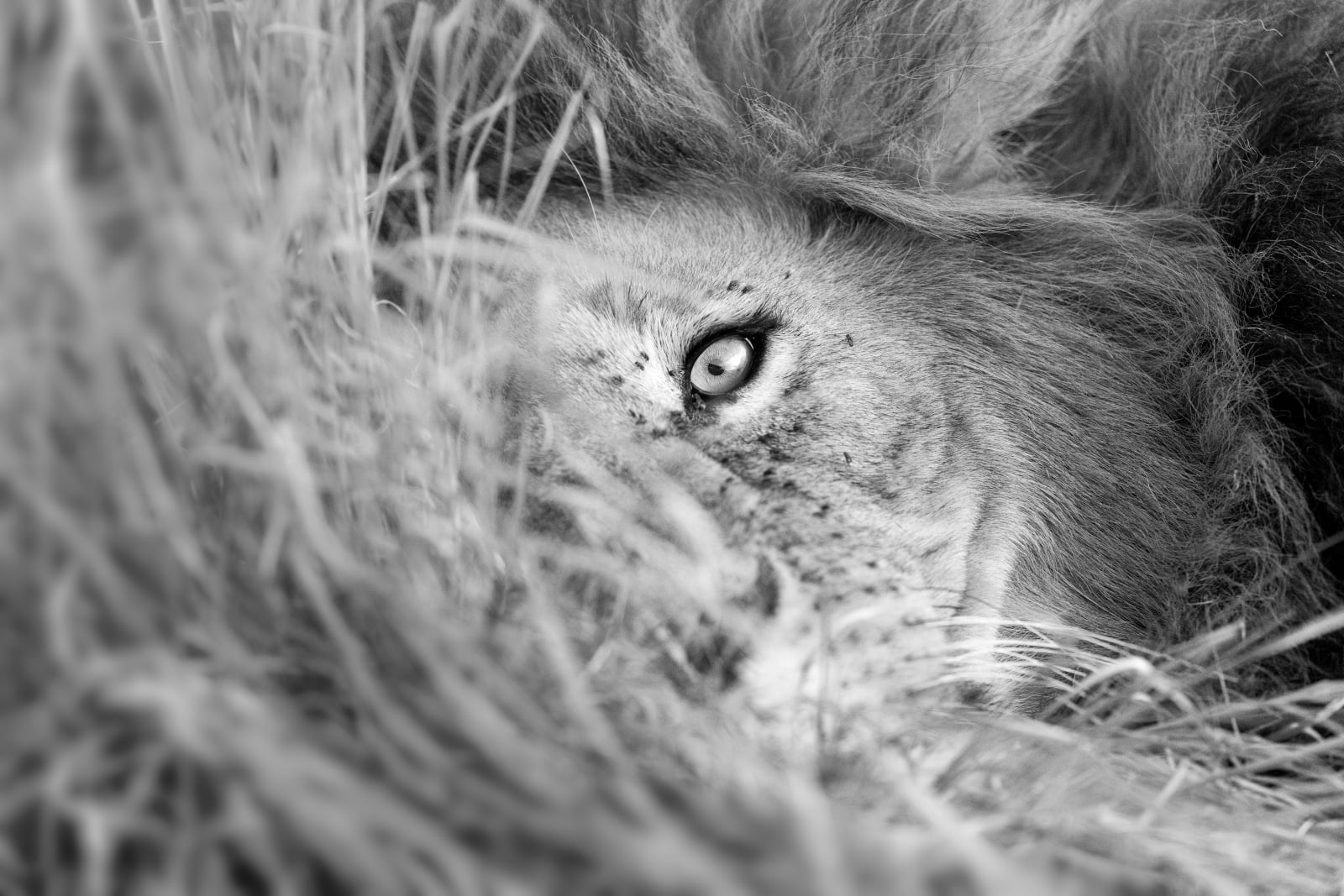
The decision to hide parts of a subject is a deliberate move that shifts the power dynamic of a photograph. What is withheld from the frame often gains more emotional potency than what is revealed. Bernabe illustrates this through the example of a lion in the Maasai Mara. A clear, full-body shot of a lion standing in the open is a documentary success, but a close-up of a single eye peering through tall, golden grass is a psychological one.
In the latter scenario, the hidden body of the lion becomes charged with possibility. The viewer’s mind assigns more weight to the unknown predator than to the visible one. This creates a space where the audience’s own fears, desires, and expectations can manifest. The image becomes a mirror of the viewer’s internal state, making the experience deeply personal.