This philosophy extends to wildlife photography in diverse environments. In Volcanoes National Park, Rwanda, a mountain gorilla nestled among dense foliage is not just a subject; it is a discovery. By allowing the vegetation to partially obscure the animal, the photographer forces the viewer to search the frame, mimicking the actual experience of a trekker in the wild. The "search" becomes part of the viewing experience, mirroring the effort required to find such a creature in its natural habitat.
The Power of Suggestion and the Phantom Subject
In many ways, the use of suggestion is counterintuitive to the traditional goals of photography. One might assume that the goal is to show the subject as clearly as possible. Yet, human emotion is often more powerfully activated through implication than through explicit display.
Consider the image of bear tracks pressed into the rippled sand of a beach in Lake Clark National Park, Alaska. The bear itself is nowhere to be seen, yet its presence is undeniable. The tracks suggest movement, weight, and a story that continues well beyond the edges of the frame. This "phantom" subject allows the mystery to endure. A conventional portrait of the bear might resolve the tension, but the tracks invite questions: Where was it going? How long ago was it here? Is it still nearby? By capturing the evidence of the subject rather than the subject itself, the photographer allows the viewer’s imagination to run wild.
Ambiguity as a Collaborative Act
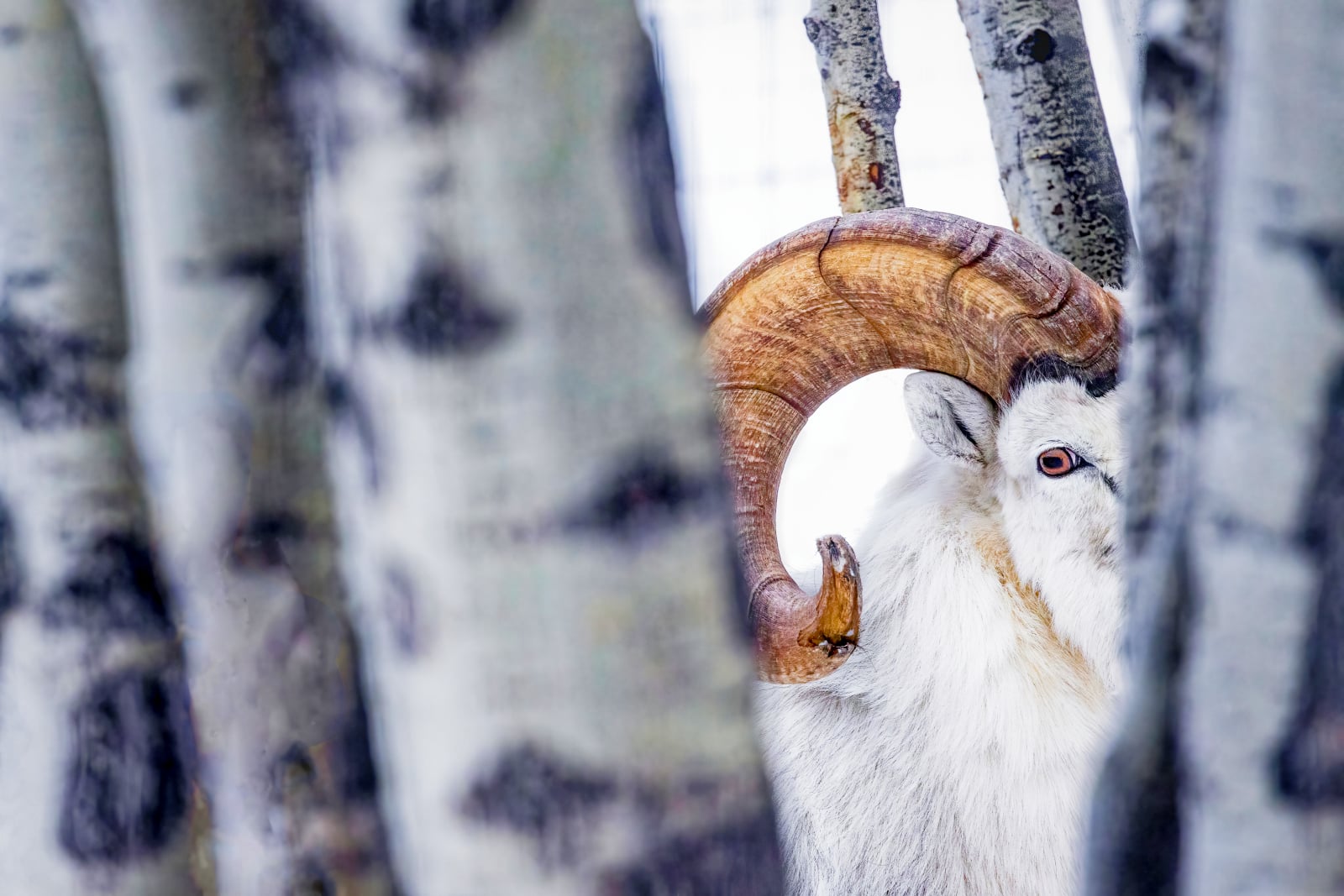
While mystery involves withholding information, its close cousin, ambiguity, involves presenting information that can be interpreted in multiple ways. This is a crucial tool for any photographer looking to engage their audience on a deeper level.
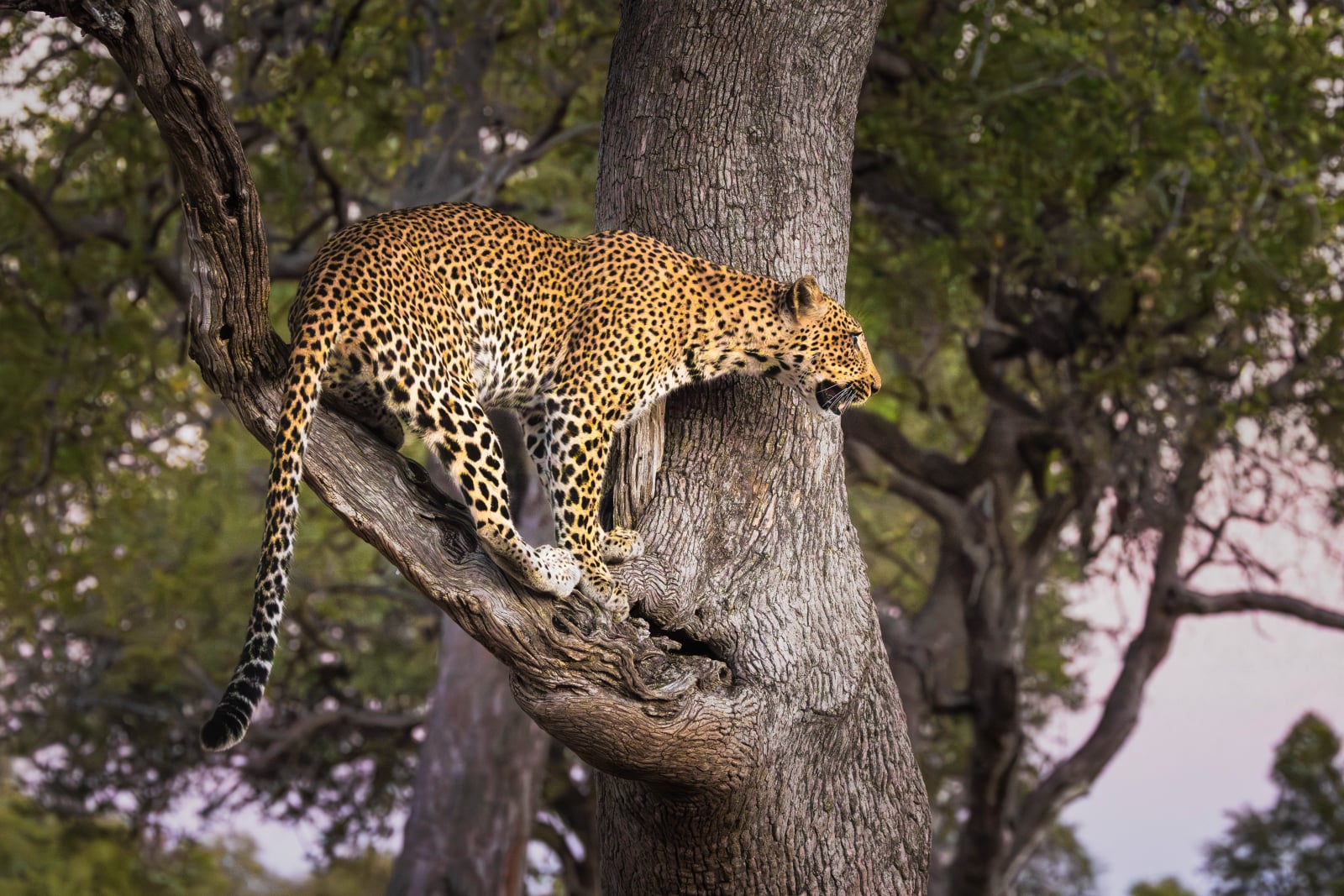
When a photographer captures a leopard staring intently at something outside the frame, they are presenting an ambiguous situation. Is the cat looking at prey? Is it watching a rival? Or is it simply observing the movement of the wind? Because the answer is not provided, the viewer becomes a co-creator of the story. They bring their own life experiences and moods to the interpretation.
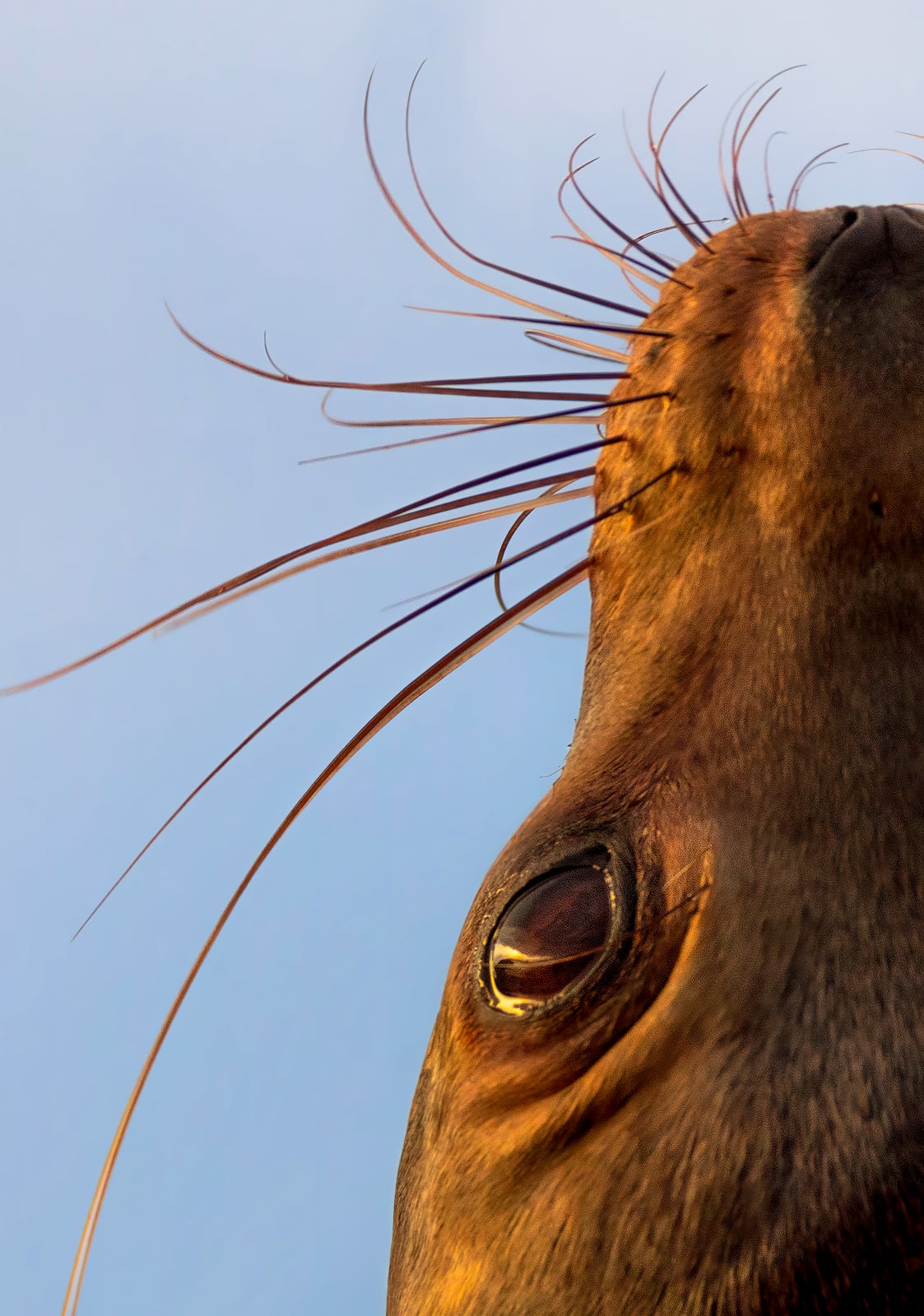
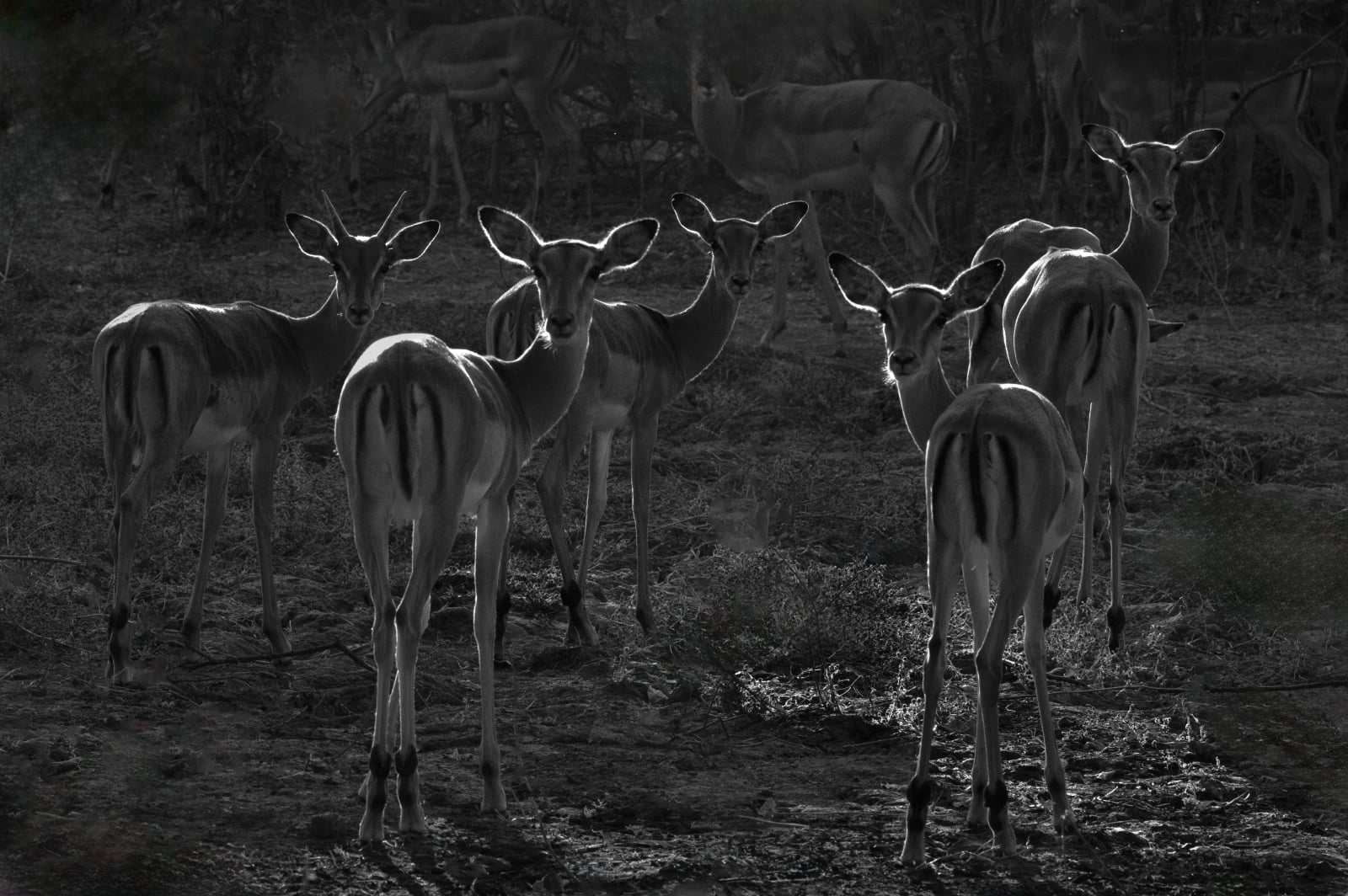
This collaboration is evident in images of groups of animals as well. In Zambia’s Lower Zambezi National Park, a herd of impalas all looking in the same direction creates a powerful sense of "off-screen" narrative. Whatever has caught their collective attention is, for that moment, the most important thing in their world—and because we cannot see it, it becomes the most important thing in ours as well.
The Conceptual Toolkit of the Unknown
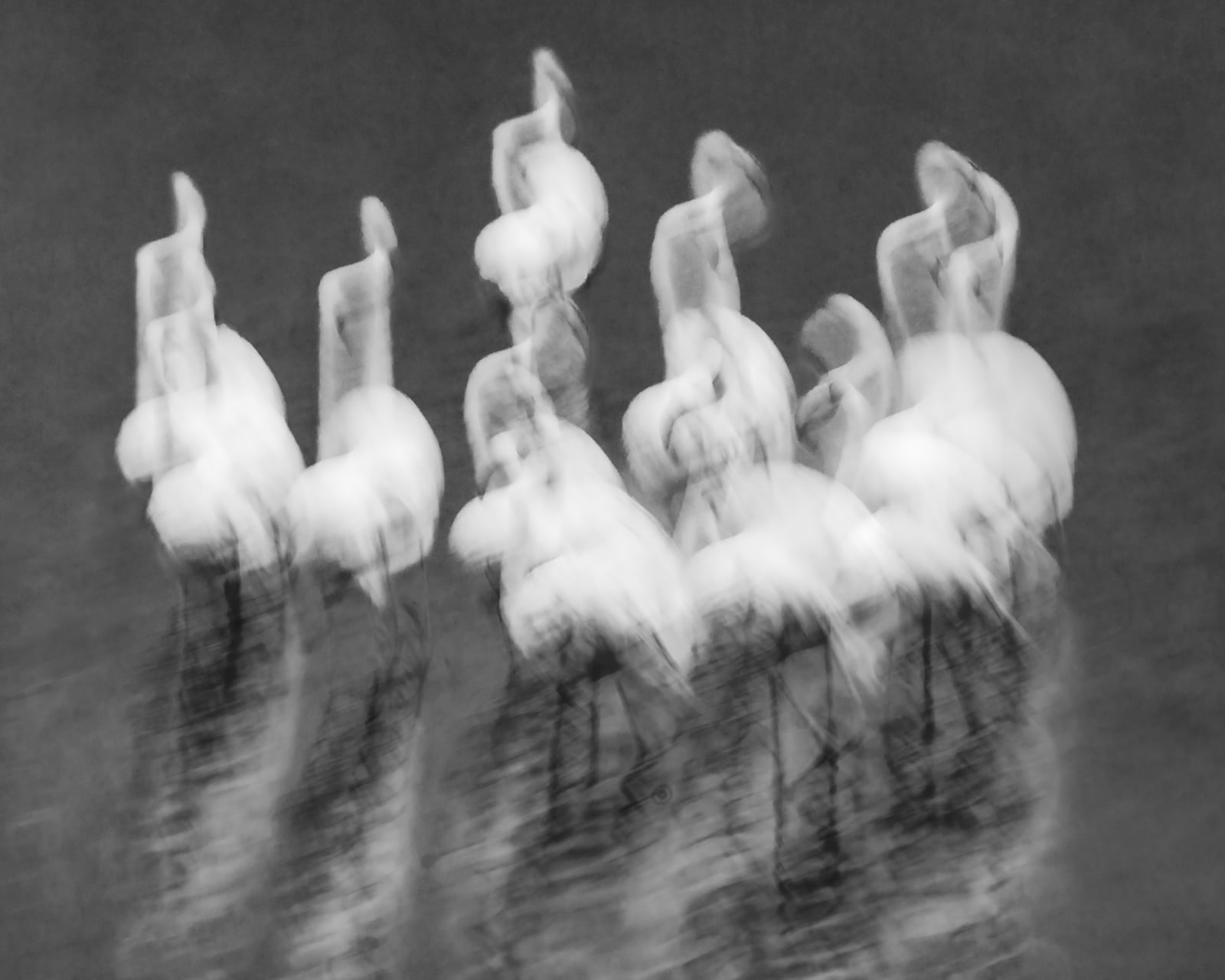
To successfully weave mystery into their work, photographers must master several conceptual and technical tools. These are not merely settings on a camera, but choices in how to interpret a scene: