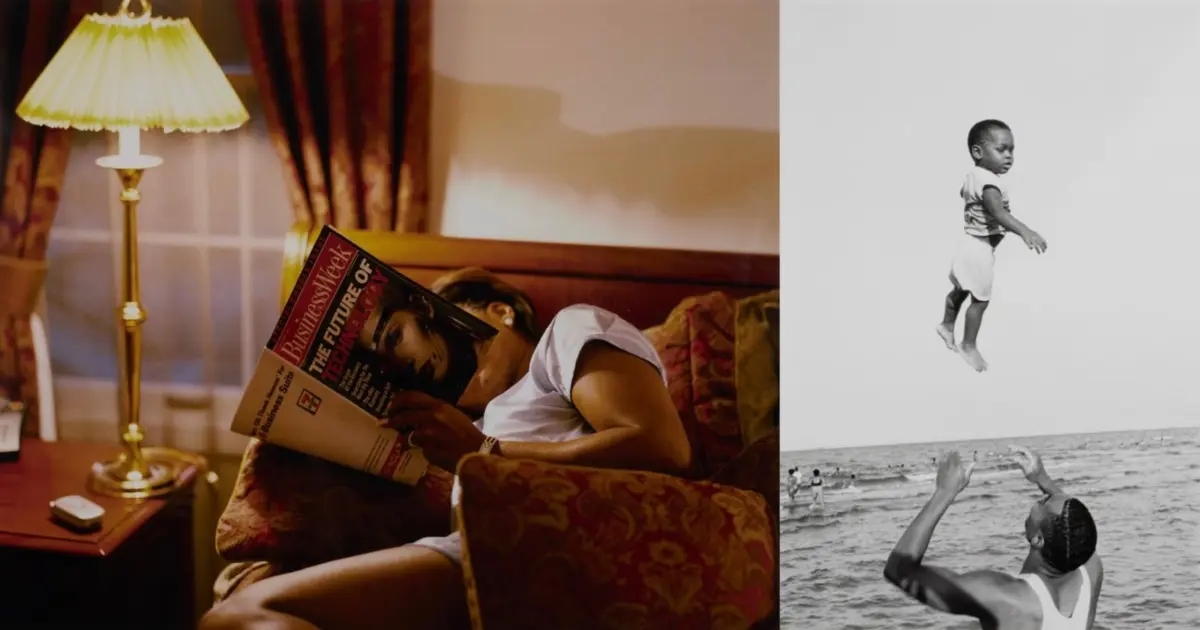
A profound new photographic exhibition at the Museum of Contemporary Photography at Columbia College Chicago seeks to bridge the chasm between a tragic past and an imagined future. Titled If Emmett Till Lived: Freedom on American Ground, the installation serves as a visual counter-narrative to one of the most harrowing chapters in American history. By drawing extensively from the museum’s permanent collection, the exhibition does not merely look back at a crime that galvanized the civil rights movement; instead, it looks forward, attempting to construct the decades of life, joy, and mundane experience that were stolen from Emmett Till when he was murdered at the age of 14.
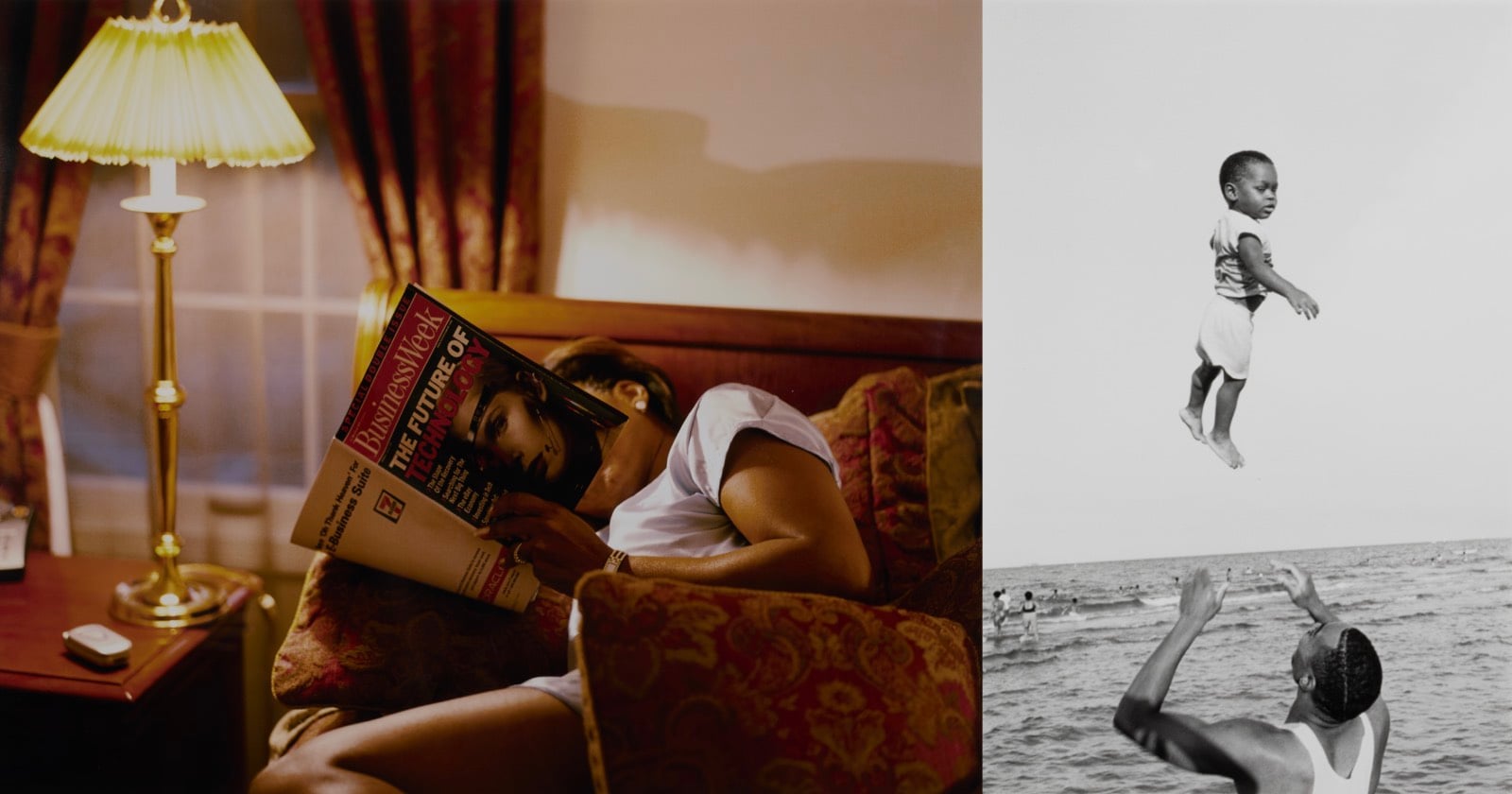
The exhibition, which remains on view through December 19, 2026, arrives at a poignant chronological milestone. Had he survived the brutal encounter in the Mississippi Delta in 1955, Emmett Till would have celebrated his 85th birthday this year. This realization serves as the emotional and conceptual anchor for the show. By framing Till as a potential octogenarian, the curators invite visitors to move beyond the static, graining black-and-white images of a young boy in a hat and instead consider the man, father, and citizen he might have become.
The historical reality of Emmett Till’s death remains a cornerstone of American social consciousness. In the summer of 1955, the Chicago teenager was visiting relatives in Mississippi when he was abducted from his great-uncle’s home. He had been accused by a white woman of harassing her at a local grocery store—a claim that led to him being brutally beaten, shot, and lynched. The subsequent trial and the swift acquittal of his killers by an all-white jury sparked international outrage. However, it was the courage of his mother, Mamie Till-Mobley, who insisted on an open-casket funeral to "let the world see what they did to my boy," that forced a direct confrontation with the systemic violence and discrimination faced by African Americans.
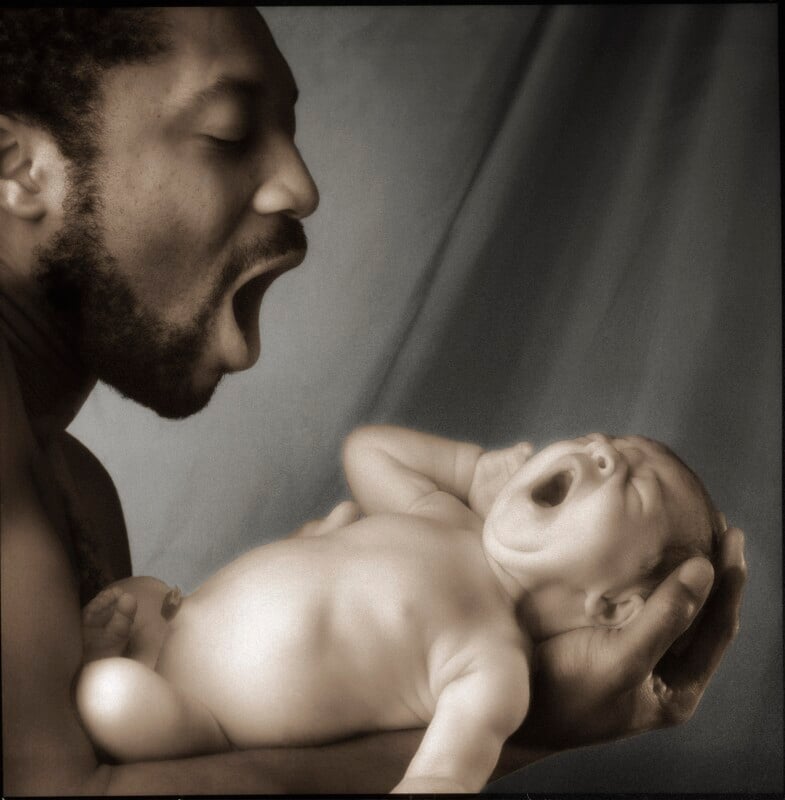
The exhibition at the Museum of Contemporary Photography explores how this singular tragedy rippled through the decades, influencing the very fabric of American democracy. The curators note that the ghost of Emmett Till was a constant presence in the early civil rights movement. Only months after Till’s body was recovered from the Tallahatchie River, Rosa Parks made her historic decision to refuse to relinquish her seat to a white passenger on a bus in Montgomery, Alabama. Parks later reflected that she had recently attended a rally in Till’s memory led by a then-obscure young minister named Martin Luther King Jr. When the bus driver demanded she move, she famously stated that she thought of Emmett Till and could not go back. This direct lineage from Till’s death to the Montgomery Bus Boycott highlights how his sacrifice became a catalyst for legislative change, eventually contributing to the discussions in Congress that resulted in the 1957 Civil Rights Act. That landmark legislation expanded federal protections for the voting rights of African Americans, marking a critical step toward the dismantling of Jim Crow laws.
Rather than focusing on the imagery of the crime or the funeral, If Emmett Till Lived utilizes the power of the photographic archive to build a speculative biography. The works on display span several generations and include contributions from some of the most significant names in the history of the medium, such as Henri Cartier-Bresson, Dorothea Lange, and Gordon Parks. More contemporary perspectives are provided by artists like Dawoud Bey, Teju Cole, Laylah Amatullah Barrayn, Carrie Mae Weems, and Stephen Marc. Together, these photographers create a tapestry of Black life in America that Till was never allowed to join.