The imagery is organized to suggest a chronological journey through a life that might have been. There are photographs of railroad lines and sprawling landscapes that evoke the Great Migration—the same path Till took from Chicago to Mississippi, but reimagined here as a journey of exploration and opportunity across the United States. Other sections of the exhibition focus on the intimacy of the domestic sphere and the vibrancy of public life. Images of neighborhoods, city parks, and quiet street corners represent the "everydayness" of a life lived in freedom.
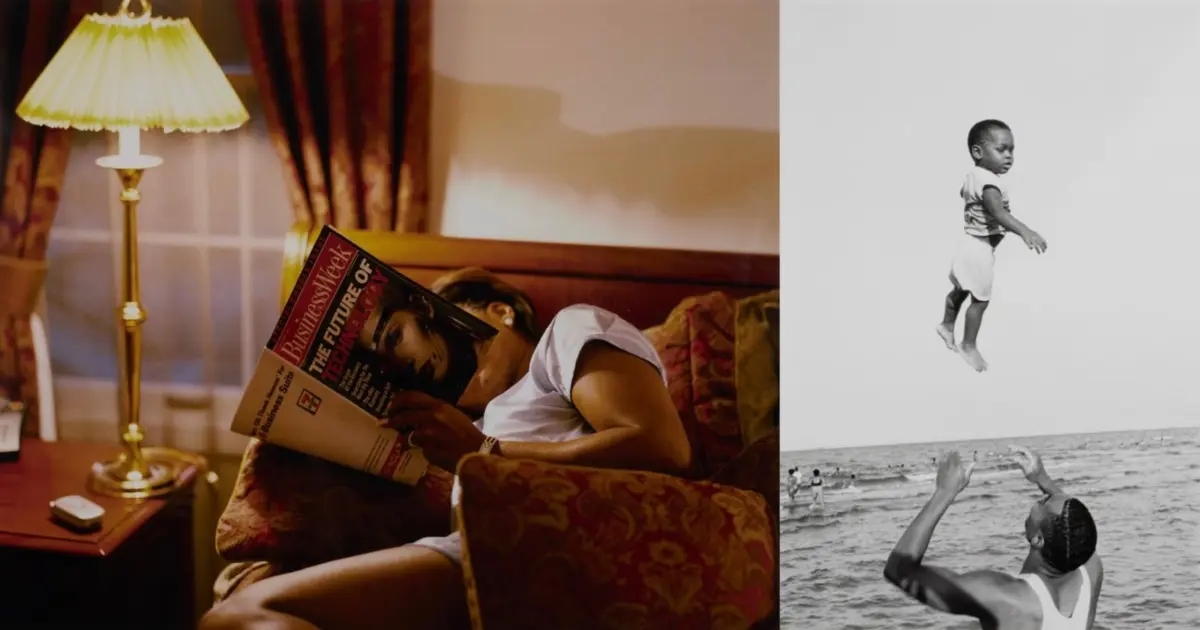
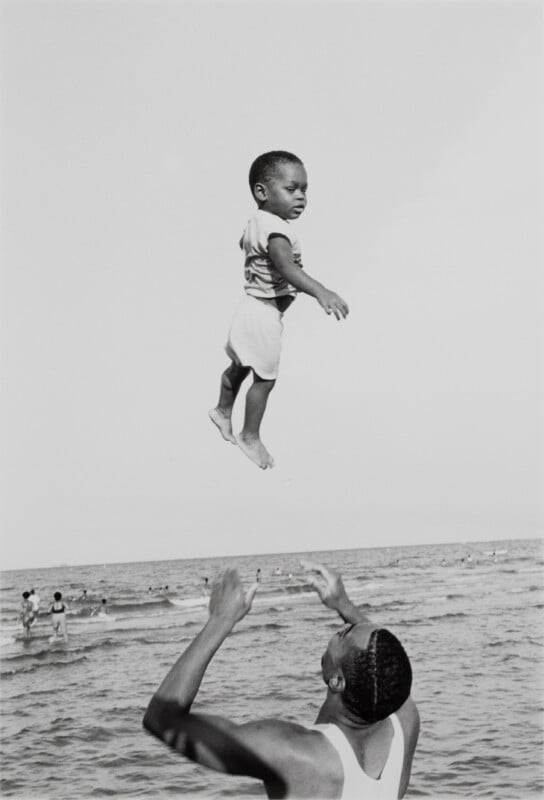
The exhibition is particularly moving in its focus on the milestones of adulthood. Through the museum’s collection, the show presents images of marriage, fatherhood, and the quiet dignity of aging. A gelatin silver print by Phil Borges titled Paternity (1990) depicts a bearded man holding a yawning newborn, capturing a universal moment of paternal bond that Till was denied the chance to experience. Similarly, Stephen Marc’s 1988 work from the Changing Chicago series shows a man tossing a child into the air against the backdrop of the ocean, a scene of pure, unburdened joy.
The speculative timeline also intersects with major cultural and political shifts in American history. The exhibition includes references to the rise of Chicago icons like Michael Jordan, whose career with the Bulls defined an era of Black excellence in Till’s hometown. Perhaps most significantly, the show includes Dawoud Bey’s 2006 portrait of Barack Obama. The inclusion of the man who would become the first African American president serves as a powerful reminder of the world Till would have inhabited as an older man—a world that changed in ways that were unimaginable in 1955.
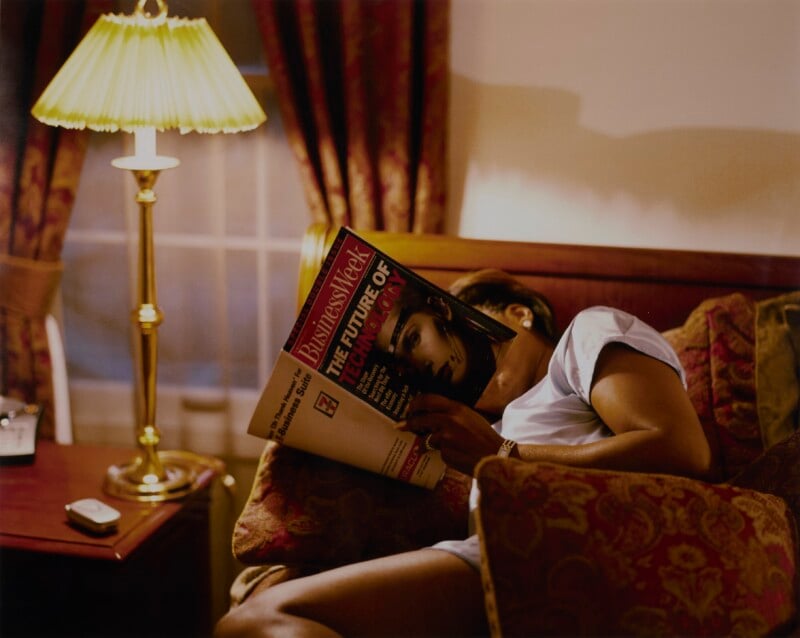
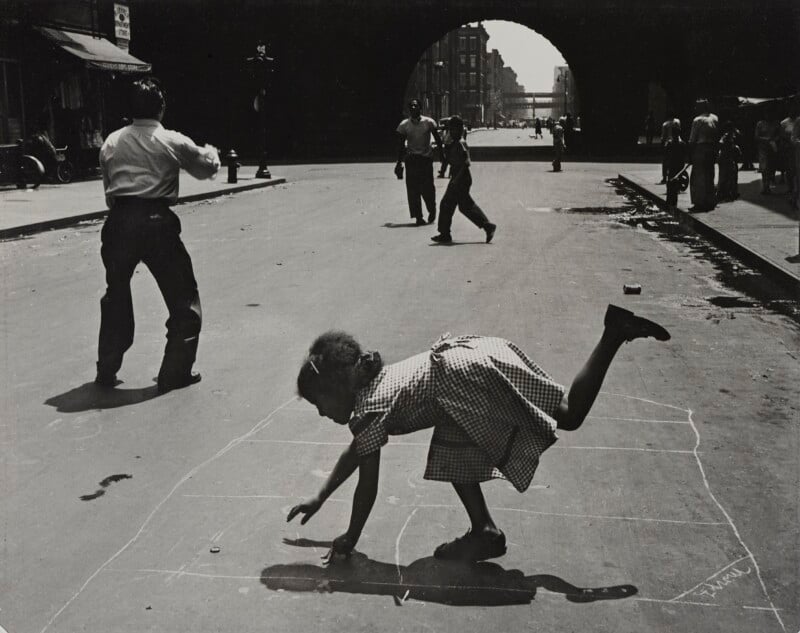
Beyond the major historical markers, the exhibition finds power in the small, often overlooked details of Black suburban and urban life. Sheila Pree Bright’s Untitled 12 from her Suburbia series shows a person reclining on a sofa with a magazine, an image of leisure and middle-class stability. Walter Rosenblum’s 1952 photograph Hopscotch captures the innocence of childhood play on a city street, a stark contrast to the violence that cut Till’s own childhood short. These images work together to claim a space for Black normalcy and the right to exist without the constant shadow of threat.
The curatorial vision for the project was led by Sarah Lewis, who sought to use the exhibition and its accompanying publication as a "creative monument." In a statement regarding the timing and purpose of the show, Lewis posed a challenging question: "More than seventy years after Emmett Till’s death, we are still asking, have we made good on the sacrifice of his life? We should not have to ask this question."