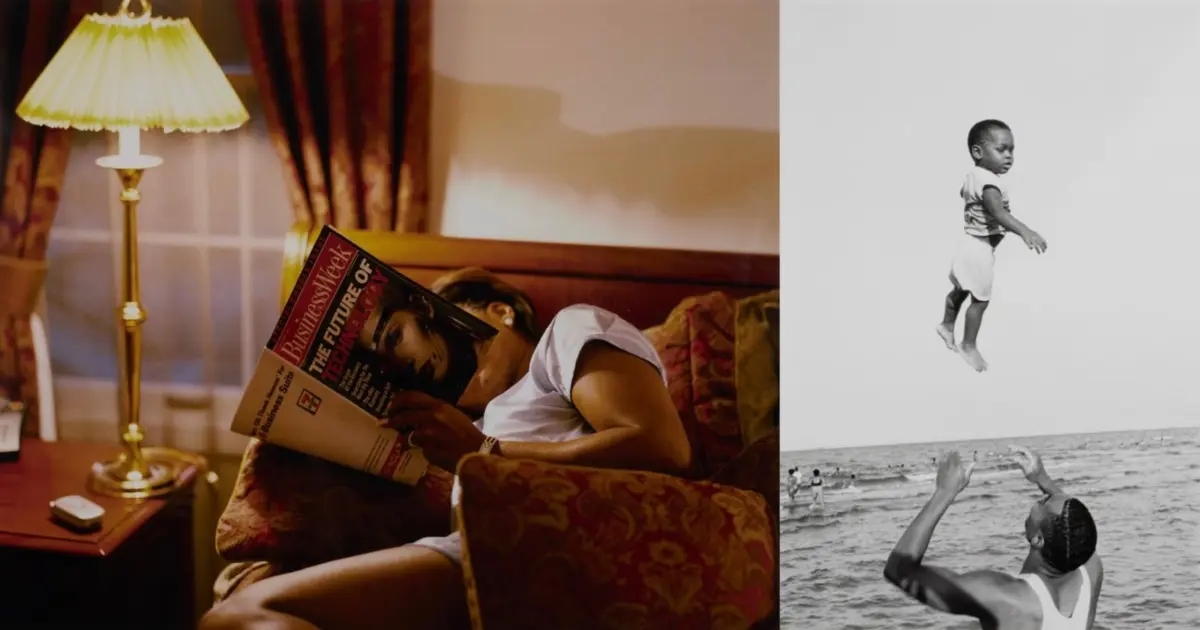
Lewis explains that the exhibition was born out of a sense of necessity. "This show and the book that is its counterpart should not have to exist—and that is why I felt called to make them," she says. "They claim the ground of Till’s untaken journey from Mississippi back to Chicago. His life is the epitome of the question we still grapple with today: Who has a right to the ground, to claim the right to stand? This exhibition and book are a creative monument to the life that Till—that anyone, any Black or brown boy—has a right to live."
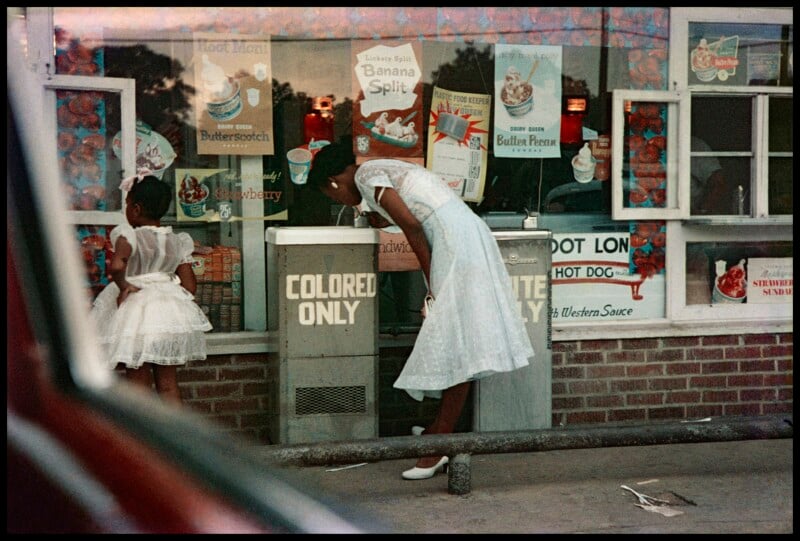
The exhibition also confronts the visual markers of the era Till lived through. Gordon Parks’ 1956 photograph Drinking Fountains, Mobile, Alabama is a visceral reminder of the "Colored Only" signs that defined the landscape of the South during Till’s visit. By placing such documentary images alongside more contemporary and conceptual works, the exhibition highlights the progress made while acknowledging the persistent questions regarding safety and belonging. Antonio Perez’s 2002 image, Children Playing Behind an American Flag Hanging in Little Village, shows silhouettes with raised hands behind a translucent flag, a haunting visual metaphor for the complex relationship between minority communities and the symbols of national identity.
Ultimately, If Emmett Till Lived: Freedom on American Ground is an exercise in restorative justice through art. It acknowledges that while the law can attempt to provide redress for a crime, it cannot restore the decades of breath, thought, and love that a person loses when their life is taken. By using the Museum of Contemporary Photography’s collection to "fill in the blanks" of Till’s missing years, the exhibition transforms the museum space into a site of remembrance and imagination.
Visitors are left to contemplate the 85-year-old man Emmett Till might have been—perhaps a grandfather sitting on a porch in Chicago, a veteran of the very movement his death helped start, or simply a citizen who lived to see the turn of the 21st century. By shifting the focus from how he died to how he might have lived, the exhibition asserts that the true measure of a life is not found in its tragic end, but in the infinite possibilities of its duration. As the show continues its run through 2026, it remains a testament to the enduring power of photography to not only document the world as it is but to dream of the world as it should have been.