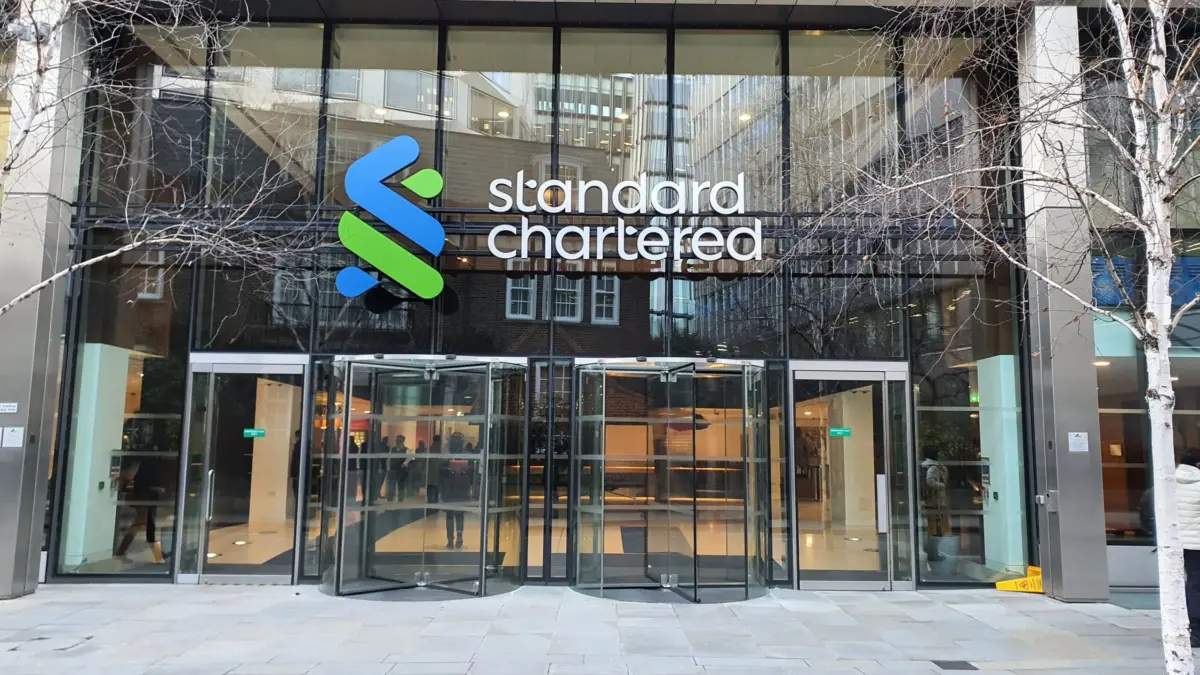
The move is not merely a play for storage; it is the first step in a broader strategic initiative to integrate stablecoins into the core of institutional trading and settlement. Standard Chartered further revealed plans to collaborate with both Ripple and LMAX Group—a leading institutional venue for foreign exchange and digital asset trading—to create a sophisticated collateral management framework. Under this proposed arrangement, clients would be able to use RLUSD held in custody at Standard Chartered as collateral for trading activities on the LMAX platform. While the custody service in Dubai is currently operational for eligible clients, the bank noted that the collateral linkage with LMAX remains subject to final documentation, rigorous technical testing, regulatory approvals, and internal bank reviews.
Bridging the Gap Between Custody and Execution
The proposed partnership with LMAX Group highlights a critical shift in how institutional players interact with digital assets. Traditionally, trading on digital asset exchanges has required "pre-funding," where participants must transfer their assets directly to the trading venue’s wallet. This creates a concentration of counterparty risk, as the exchange acts as both the execution venue and the custodian. By linking Standard Chartered’s custody services with LMAX’s execution environment, the firms aim to separate these two functions—a model that has been the standard in traditional finance for decades.
Under this new framework, an institutional client—such as a hedge fund or a regional bank—could keep their RLUSD within the highly regulated environment of Standard Chartered. The bank would then provide a collateral "mirror" or link to LMAX, allowing the client to back their trades without the stablecoins ever leaving the bank’s vault. This structure is designed to appeal specifically to conservative financial institutions that are eager to tap into the efficiencies of stablecoin-based trading but are unwilling to expose their balance sheets to the risks associated with non-bank exchange wallets.
Waqar Chaudry, Standard Chartered’s Global Head of Digital Assets, Securities Services, and Transaction Services, emphasized that this move is a direct response to client demand for safety. According to Chaudry, institutional clients are increasingly looking to participate in digital asset markets, but they refuse to compromise on the fundamental principles of asset safeguarding and risk management. By offering custody for RLUSD, Standard Chartered is positioning itself as the bridge that allows these entities to enter the space with the same level of confidence they have in traditional markets.
The Strategic Importance of Regulated Custodial Infrastructure
The entry of a Global Systemically Important Bank (G-SIB) like Standard Chartered into the stablecoin custody space is viewed by many industry analysts as a watershed moment. Joseph Goh, Head of Asia-Pacific at the Singapore-based crypto investment bank Areta, noted that regulated custody connected to a global bank of this stature is becoming one of the most essential pieces of infrastructure in the digital asset economy. As the market matures, the value shifts from the assets themselves to the reliability and regulatory compliance of the systems used to move and store them.