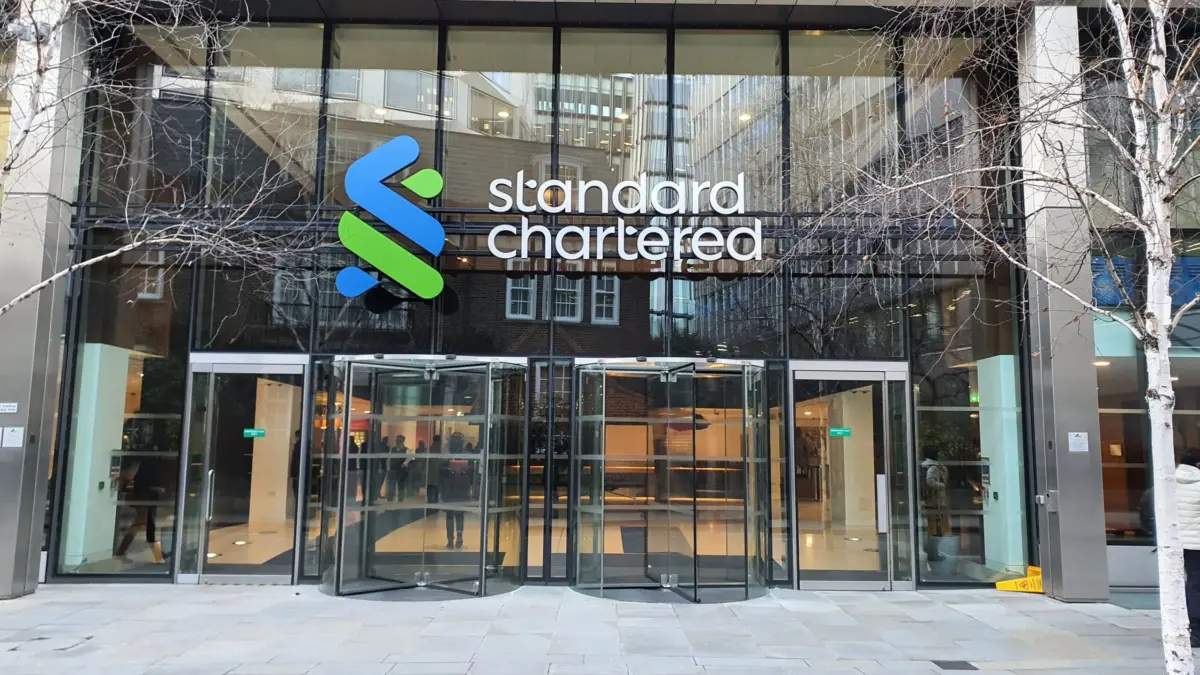
The move is not merely a play for storage; it is the first step in a broader strategic initiative to integrate stablecoins into the core of institutional trading and settlement. Standard Chartered further revealed plans to collaborate with both Ripple and LMAX Group—a leading institutional venue for foreign exchange and digital asset trading—to create a sophisticated collateral management framework. Under this proposed arrangement, clients would be able to use RLUSD held in custody at Standard Chartered as collateral for trading activities on the LMAX platform. While the custody service in Dubai is currently operational for eligible clients, the bank noted that the collateral linkage with LMAX remains subject to final documentation, rigorous technical testing, regulatory approvals, and internal bank reviews.
Bridging the Gap Between Custody and Execution
The proposed partnership with LMAX Group highlights a critical shift in how institutional players interact with digital assets. Traditionally, trading on digital asset exchanges has required "pre-funding," where participants must transfer their assets directly to the trading venue’s wallet. This creates a concentration of counterparty risk, as the exchange acts as both the execution venue and the custodian. By linking Standard Chartered’s custody services with LMAX’s execution environment, the firms aim to separate these two functions—a model that has been the standard in traditional finance for decades.
Under this new framework, an institutional client—such as a hedge fund or a regional bank—could keep their RLUSD within the highly regulated environment of Standard Chartered. The bank would then provide a collateral "mirror" or link to LMAX, allowing the client to back their trades without the stablecoins ever leaving the bank’s vault. This structure is designed to appeal specifically to conservative financial institutions that are eager to tap into the efficiencies of stablecoin-based trading but are unwilling to expose their balance sheets to the risks associated with non-bank exchange wallets.
Waqar Chaudry, Standard Chartered’s Global Head of Digital Assets, Securities Services, and Transaction Services, emphasized that this move is a direct response to client demand for safety. According to Chaudry, institutional clients are increasingly looking to participate in digital asset markets, but they refuse to compromise on the fundamental principles of asset safeguarding and risk management. By offering custody for RLUSD, Standard Chartered is positioning itself as the bridge that allows these entities to enter the space with the same level of confidence they have in traditional markets.
The Strategic Importance of Regulated Custodial Infrastructure
The entry of a Global Systemically Important Bank (G-SIB) like Standard Chartered into the stablecoin custody space is viewed by many industry analysts as a watershed moment. Joseph Goh, Head of Asia-Pacific at the Singapore-based crypto investment bank Areta, noted that regulated custody connected to a global bank of this stature is becoming one of the most essential pieces of infrastructure in the digital asset economy. As the market matures, the value shifts from the assets themselves to the reliability and regulatory compliance of the systems used to move and store them.
The choice of RLUSD as a primary asset for this service is also significant. Ripple has been aggressively positioning its stablecoin as a premier settlement and collateral tool for the institutional sector. This strategy was bolstered in January 2026 when Ripple provided LMAX Group with $150 million in financing. That capital injection was specifically intended to embed RLUSD into the group’s institutional infrastructure, ensuring that the stablecoin has deep liquidity and immediate utility for professional traders.
By securing Standard Chartered as a custodian, RLUSD gains a level of institutional legitimacy that few other stablecoins can claim. If the LMAX collateral link is finalized, it will provide RLUSD with a direct route into the complex collateral systems that underpin global institutional trading. This moves the stablecoin beyond simple payments or spot trading, placing it at the heart of sophisticated financial strategies, including margin trading and liquidity management.
Standard Chartered’s Global Digital Asset Roadmap
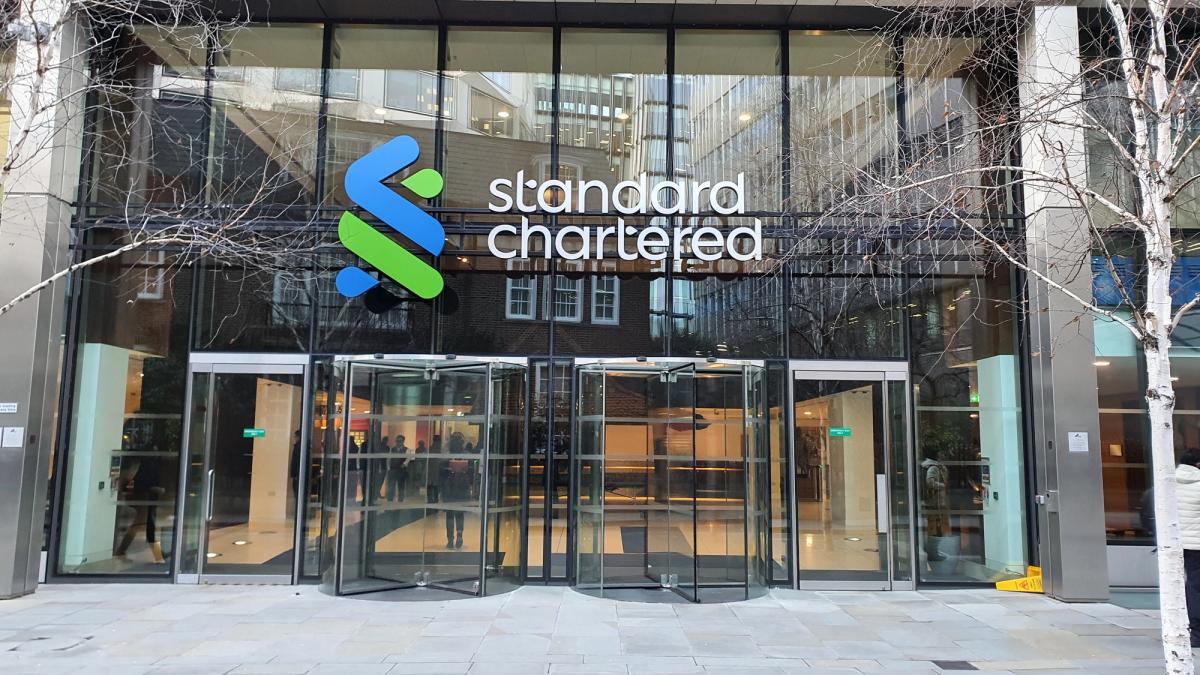
The launch in Dubai is part of a much larger, multi-year expansion strategy for Standard Chartered. The bank has been methodically building a global network of digital asset hubs, focusing on jurisdictions with clear regulatory frameworks. Just last week, the bank announced plans to offer institutional custody for selected cryptocurrencies, stablecoins, and tokenized real-world assets (RWAs) in Singapore. This follows the bank’s successful full acquisition of Zodia Custody earlier this year, a move that gave it a specialized, tech-forward subsidiary dedicated to the safe-keeping of digital assets.
Furthermore, Standard Chartered has shown a keen interest in the emerging regulated stablecoin markets in North Asia. In August 2026, it became the first bank to distribute one of Hong Kong’s two newly regulated stablecoins. This global footprint—stretching from Dubai to Singapore and Hong Kong—suggests that Standard Chartered is aiming to become the primary banking partner for the global digital asset industry, providing a unified custodial and settlement layer across multiple time zones and regulatory regimes.
The Dubai branch, in particular, serves as a critical node in this network. Dubai has established itself as a forward-thinking jurisdiction for virtual assets, offering a structured environment that allows banks to innovate while maintaining strict compliance standards. By launching RLUSD custody there, Standard Chartered is leveraging Dubai’s status as a neutral, well-regulated financial hub to attract clients from across Europe, the Middle East, and Asia.
The Evolution of Stablecoins as Institutional Collateral
The broader implications of this development touch on the very nature of how liquidity is managed in modern finance. For years, the "stablecoin" was viewed primarily as a retail instrument or a temporary parking spot for crypto traders. However, the involvement of Standard Chartered and LMAX signals the arrival of the "institutional stablecoin."
When a stablecoin like RLUSD is backed by a bank-grade custodian and accepted as collateral on a major trading venue, it begins to function less like a speculative asset and more like a high-velocity version of the US dollar. The efficiency gains are substantial: trades can be settled almost instantaneously on the XRP Ledger, and collateral can be moved or adjusted in real-time, 24/7, without waiting for traditional banking rails to open.
For LMAX, the partnership is equally transformative. By allowing RLUSD held at Standard Chartered to back trades, the venue can attract a higher tier of institutional liquidity. Funds that were previously sidelined due to "exchange risk" can now deploy capital more freely, knowing their assets are secured by a global bank. This synergy between a high-performance trading venue and a G-SIB custodian creates a blueprint for the future of capital markets.
As the financial industry moves closer to the full-scale tokenization of assets, the need for a reliable, bank-regulated "on-chain dollar" becomes paramount. Standard Chartered’s decision to offer custody for RLUSD in Dubai, combined with its ambitious plans for collateral integration with LMAX, represents a major step toward that reality. It reinforces the notion that the future of digital assets lies not in bypassing traditional financial institutions, but in the deep integration of blockchain technology with the world’s most trusted banking systems.
The coming months will be critical as Standard Chartered, Ripple, and LMAX work through the technical and regulatory requirements to take the collateral link live. Should they succeed, it will likely prompt other global banks to accelerate their own digital asset roadmaps, further legitimizing stablecoins as a cornerstone of the modern financial system. For now, the launch of RLUSD custody in Dubai stands as a clear signal that the era of institutional-grade stablecoin infrastructure has arrived.