The Evolution of Stablecoins as Institutional Collateral
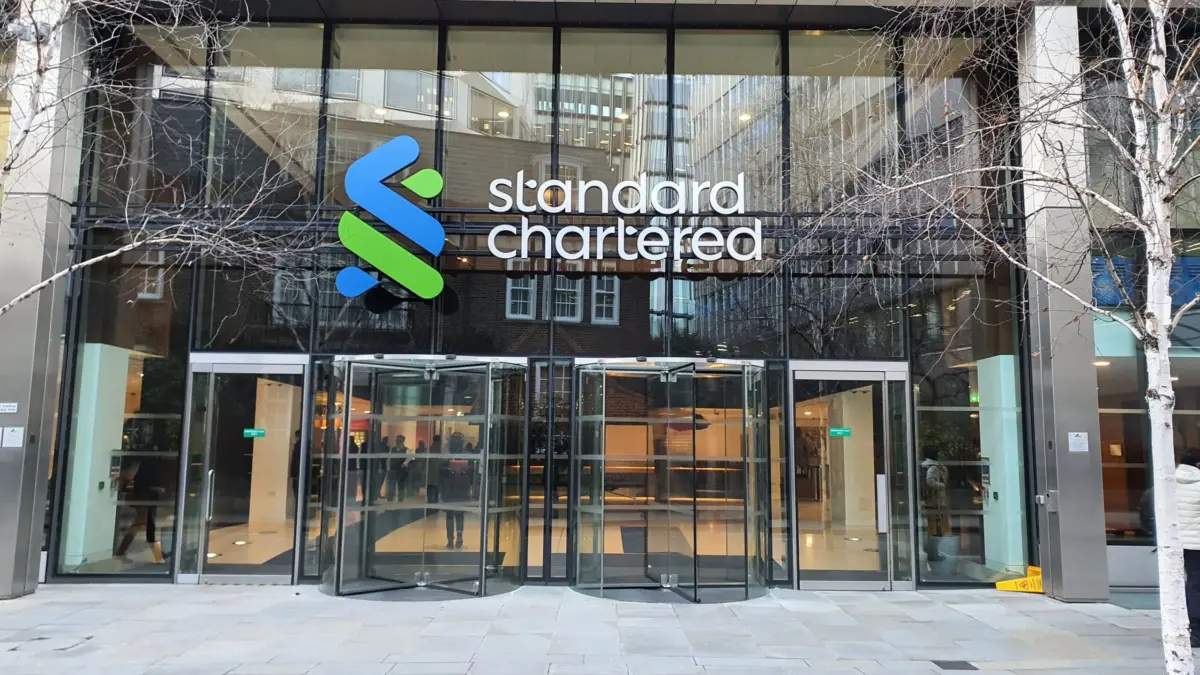
The broader implications of this development touch on the very nature of how liquidity is managed in modern finance. For years, the "stablecoin" was viewed primarily as a retail instrument or a temporary parking spot for crypto traders. However, the involvement of Standard Chartered and LMAX signals the arrival of the "institutional stablecoin."
When a stablecoin like RLUSD is backed by a bank-grade custodian and accepted as collateral on a major trading venue, it begins to function less like a speculative asset and more like a high-velocity version of the US dollar. The efficiency gains are substantial: trades can be settled almost instantaneously on the XRP Ledger, and collateral can be moved or adjusted in real-time, 24/7, without waiting for traditional banking rails to open.
For LMAX, the partnership is equally transformative. By allowing RLUSD held at Standard Chartered to back trades, the venue can attract a higher tier of institutional liquidity. Funds that were previously sidelined due to "exchange risk" can now deploy capital more freely, knowing their assets are secured by a global bank. This synergy between a high-performance trading venue and a G-SIB custodian creates a blueprint for the future of capital markets.
As the financial industry moves closer to the full-scale tokenization of assets, the need for a reliable, bank-regulated "on-chain dollar" becomes paramount. Standard Chartered’s decision to offer custody for RLUSD in Dubai, combined with its ambitious plans for collateral integration with LMAX, represents a major step toward that reality. It reinforces the notion that the future of digital assets lies not in bypassing traditional financial institutions, but in the deep integration of blockchain technology with the world’s most trusted banking systems.
The coming months will be critical as Standard Chartered, Ripple, and LMAX work through the technical and regulatory requirements to take the collateral link live. Should they succeed, it will likely prompt other global banks to accelerate their own digital asset roadmaps, further legitimizing stablecoins as a cornerstone of the modern financial system. For now, the launch of RLUSD custody in Dubai stands as a clear signal that the era of institutional-grade stablecoin infrastructure has arrived.