The human body possesses an almost miraculous capacity for self-repair. When the skin is sliced or the epithelial linings of internal organs are damaged by trauma or disease, a complex biological symphony begins, working to restore the integrity of the tissue. For decades, scientists have observed this phenomenon, known as compensatory proliferation, where a burst of cellular growth replaces lost or damaged tissue. Yet, despite its fundamental importance to survival, the precise molecular triggers that allow a wounded organ to "know" how to rebuild itself have remained one of biology’s most enduring mysteries.
Now, a groundbreaking study from the Weizmann Institute of Science has pulled back the curtain on this process, revealing a surprising and paradoxical mechanism. According to research published in the prestigious journal Nature Communications, the very enzymes responsible for cellular "suicide" are also the key architects of survival and regeneration. While this discovery offers profound insights into how healthy tissues heal, it also provides a sobering explanation for one of the most frustrating challenges in modern medicine: why certain cancers return with increased aggression and resistance after being targeted by radiation and chemotherapy.
The research, led by Prof. Eli Arama and Dr. Tslil Braun of Weizmann’s Molecular Genetics Department, suggests that a specific population of cells can initiate the process of programmed death only to halt it midway, effectively "daring" to survive. These survivors then become the primary drivers of tissue regrowth, but they also pass on an enhanced resistance to their descendants—a trait that, in a cancerous context, can lead to treatment-resistant tumors.
A Half-Century Mystery: The Roots of Compensatory Proliferation
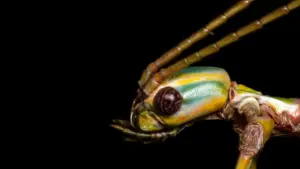
The scientific community’s fascination with compensatory proliferation dates back to the 1970s. At the time, researchers working with Drosophila melanogaster—the common fruit fly—made a startling observation. When fly larvae were exposed to high doses of ionizing radiation, the epithelial tissues that would eventually form the adult wings suffered catastrophic damage. By all accounts, the larvae should have developed into adults with severely deformed or missing wings.
Instead, the larvae demonstrated an incredible resilience. They managed to regenerate the damaged areas so effectively that the resulting adult flies possessed fully functional, perfectly formed wings. This indicated that the remaining healthy cells were receiving a signal to multiply rapidly and fill the void left by their deceased neighbors.
While this phenomenon was later observed across various species, including mammals and humans, the "how" remained elusive. What was the signal? And which specific cells were responsible for leading the charge? For fifty years, the prevailing theory was that dying cells released "stress signals" that prompted their healthy neighbors to divide. However, the Weizmann team suspected the story was far more complex, involving a specialized group of cells that occupy a middle ground between life and death.
When Cell Death Machinery Promotes Survival
To understand the Weizmann discovery, one must first look at apoptosis, the process of programmed cell death. Apoptosis is a vital "housekeeping" function of the body, used to eliminate cells that are no longer needed, are aging, or have suffered DNA damage that could lead to cancer. It is a tidy, controlled process that prevents the leakage of harmful cellular contents into surrounding tissue.
The primary executioners of apoptosis are a family of enzymes called caspases. The process generally follows a strict hierarchy: an "initiator" caspase is activated by a stress signal, which then triggers "effector" or "executioner" caspases. These executioners act like molecular scissors, shredding the cell’s internal proteins and ensuring its demise.
However, the scientific consensus on caspases has shifted over the last twenty years. Prof. Eli Arama was among the early pioneers who suggested that these "death enzymes" might have non-lethal roles. His previous work demonstrated that caspases are involved in various essential life processes, such as the shaping of sperm cells and the development of certain tissues, where they prune cellular components without killing the entire cell.
In this new study, Arama and his team hypothesized that these non-lethal caspase functions might be the "missing link" in compensatory proliferation. They suspected that some cells might activate the death machinery but use it as a signaling tool rather than a self-destruct button.
Finding Cells That Start To Die but Survive