Mercedes-Benz is embarking on a significant strategic realignment of its global vehicle portfolio, signaling a pivot away from the rapid, sprawling expansion of its electric vehicle sub-brand in favor of a more streamlined and integrated approach. The German luxury automaker has confirmed that several prominent models, including high-performance hybrids and flagship electric sedans, are scheduled to be discontinued following the 2027 model year. This move comes as Mercedes-Benz seeks to reconcile its ambitious electrification goals with market realities and a desire to return to a more cohesive brand identity.
According to official communications from a company spokesperson, the upcoming cuts will target a diverse cross-section of the brand’s current offerings. The Mercedes-Benz EQE sedan—available in both standard and high-output AMG configurations—is perhaps the most notable casualty of this restructuring. Additionally, the pinnacle of the internal combustion performance range, the Mercedes-AMG S63 E Performance, and the ultra-luxury Mercedes-Maybach EQS 680 SUV are also slated for the chopping block. These decisions reflect a broader industry trend where legacy manufacturers are re-evaluating the necessity of standalone electric "sub-brands" and instead focusing on integrating battery-electric powertrains into their most iconic nameplates.
Say Goodbye To The EQE Sedan
The departure of the Mercedes-Benz EQE sedan marks a surprisingly early end for a vehicle that was once positioned as a cornerstone of the brand’s "Electric Only" future. Launched as a dedicated battery-electric alternative to the venerable E-Class, the EQE was built on a bespoke electric architecture designed to maximize interior space and aerodynamic efficiency. However, as the 2027 model year approaches, the EQE sedan and its performance-oriented sibling, the Mercedes-AMG EQE, will both be phased out.
The EQE was defined by its "One-Bow" design language, a cab-forward silhouette that prioritized a low coefficient of drag to maximize range. While technically impressive, this design deviated significantly from the traditional three-box sedan proportions that have defined Mercedes-Benz luxury for decades. As the automaker looks toward the next generation of its lineup, the role of the mid-size electric sedan is being reconsidered.
Industry analysts suggest that the EQE’s position has become increasingly precarious due to the arrival of new models that bridge the gap between segments more effectively. With the electric CLA-Class already entering the fray and a highly anticipated electric version of the C-Class on the horizon, the EQE risks being squeezed out of the lineup. By consolidating these offerings, Mercedes-Benz can reduce manufacturing complexity and marketing overhead while providing a more intuitive selection for consumers who may find the current "EQ" naming convention confusing. The transition suggests that the next generation of electric Mercedes-Benz sedans may move away from the "EQE" moniker entirely, potentially returning to a unified "E-Class" branding that offers multiple powertrain options under a single, legendary name.
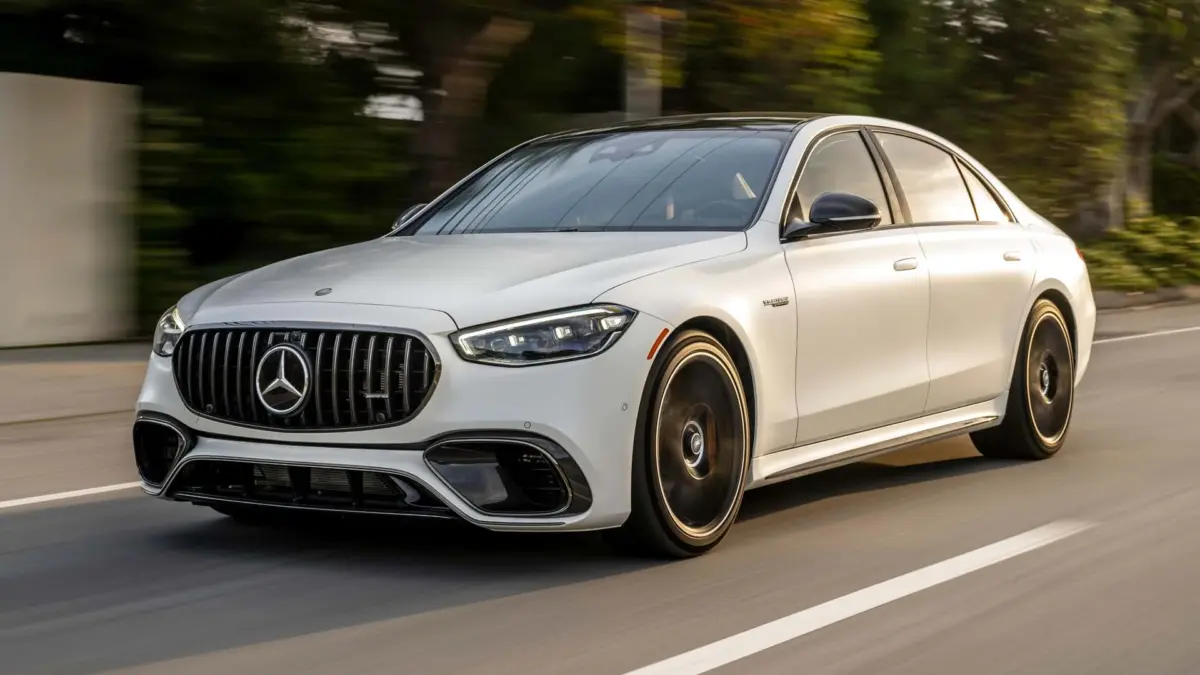
So Long, AMG S63 E Performance
In a move that may surprise enthusiasts of the brand’s performance division, the Mercedes-AMG S63 E Performance is also scheduled to exit the stage by 2027. This model represented a bold experiment in high-performance hybridization, pairing the company’s celebrated twin-turbocharged 4.0-liter V8 engine with a sophisticated plug-in hybrid system. The result was a flagship sedan of immense capability, producing a staggering 791 horsepower and 1,055 pound-feet of torque.