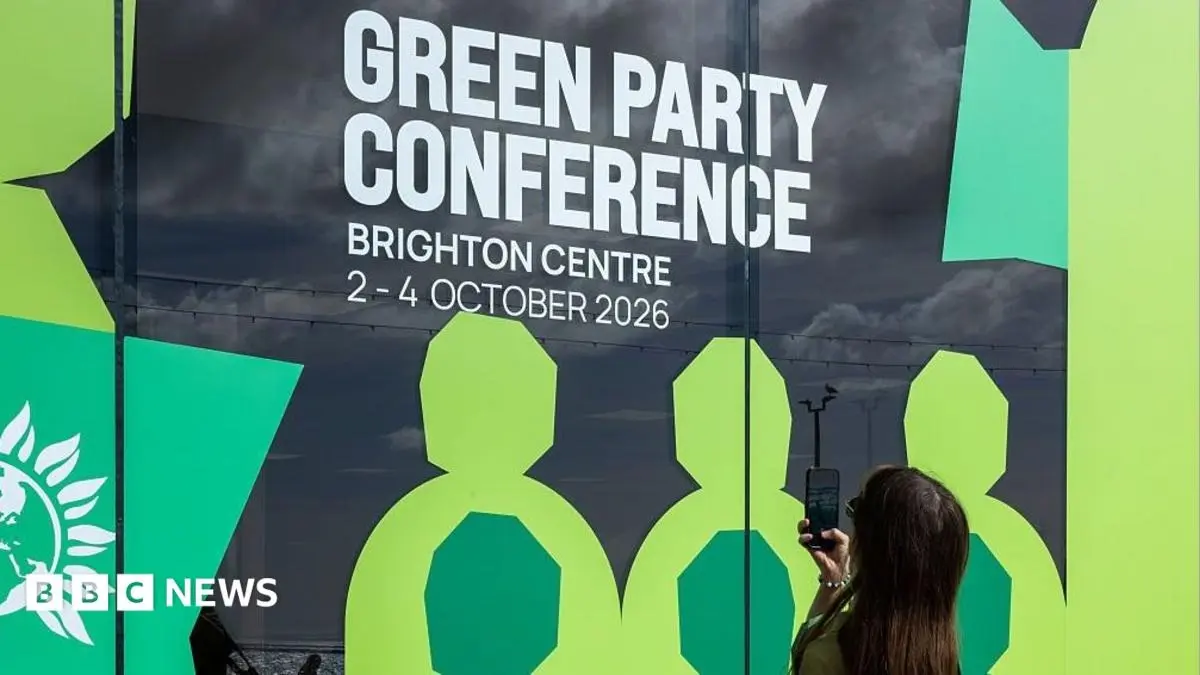
It is highly unusual for a British party conference, particularly that of one of the country’s smaller political organizations, to trigger a wave of international condemnation and diplomatic sanctions. Yet that is precisely the extraordinary situation the Green Party of England and Wales finds itself in following a decision by Israel’s foreign ministry to officially ban the party’s deputy leader, Zack Polanski, from entering the country. The dramatic move by the Israeli government marks a significant escalation in relations and has thrust the internal debates of the Green Party into the global diplomatic spotlight.
The catalyst for this international incident was a highly controversial motion proposed by grassroots party members and subsequently adopted by the Green Party conference. The resolution, which was passed by delegates, officially declared Zionism—the movement for the self-determination and establishment of a Jewish homeland—to be a form of racism. By adopting this stance, the Green Party has aligned itself with a deeply contentious position that has drawn immediate and fierce pushback from international observers and domestic political opponents alike.
In its specific wording, the approved Green motion describes Zionism as an ideology that actively supports what it characterizes as "an ethnonationalist Jewish state." Rather than endorsing a traditional two-state solution, which has long been the consensus position of mainstream British foreign policy, the motion instead advocates for a radically different alternative: the establishment of a "single democratic Palestinian state in all of historic Palestine." This position effectively calls for the end of Israel as a Jewish state, a stance that lies at the heart of the intense controversy and the subsequent travel ban imposed on Polanski.
For Polanski and many within the Green Party’s activist base, however, the condemnation from the Israeli government is unlikely to cause much distress. Over the past year, the Greens have enjoyed an unprecedented wave of electoral success, securing historic gains in local government and expanding their representation in the House of Commons. A major driver of this political momentum has been the party’s clear, vocal, and uncompromising condemnation of Israel’s military campaign in Gaza and its broader actions across the Middle East. For a party that has successfully mobilized voters angry over the humanitarian situation in the region, standing in opposition to the Israeli government is viewed by many activists not as a liability, but as a core element of their political appeal.
Yet, while the international fallout may not deeply trouble the party’s grassroots, the internal ramifications of this decision could prove far more difficult to manage. What this episode exposes is a deep and potentially damaging fracture within the Green Party’s institutional dynamics. The very structure that many Greens celebrate—their radical internal democracy—has created a profound disconnect between the party’s voting members and its highest-profile elected representatives. In the Green Party, policy is not handed down from the leadership; instead, it is proposed, debated, and voted on directly by the membership at conference.
This democratic purity has now engineered a deeply uncomfortable scenario: the party’s leading elected politicians are being forced to face intense public scrutiny over a highly sensitive policy that the vast majority of them actively opposed. The internal division is starkly illustrated by the actions of the party’s leadership during the debate. Zack Polanski, who does not hold a seat in Parliament but serves as the party’s deputy leader, did not actually support the motion in its final form. Polanski had sought to introduce changes to the text of the motion in an attempt to temper its language, but these proposed amendments were rejected by the conference delegates. Ultimately, Polanski chose not to participate in either the debate or the final vote.