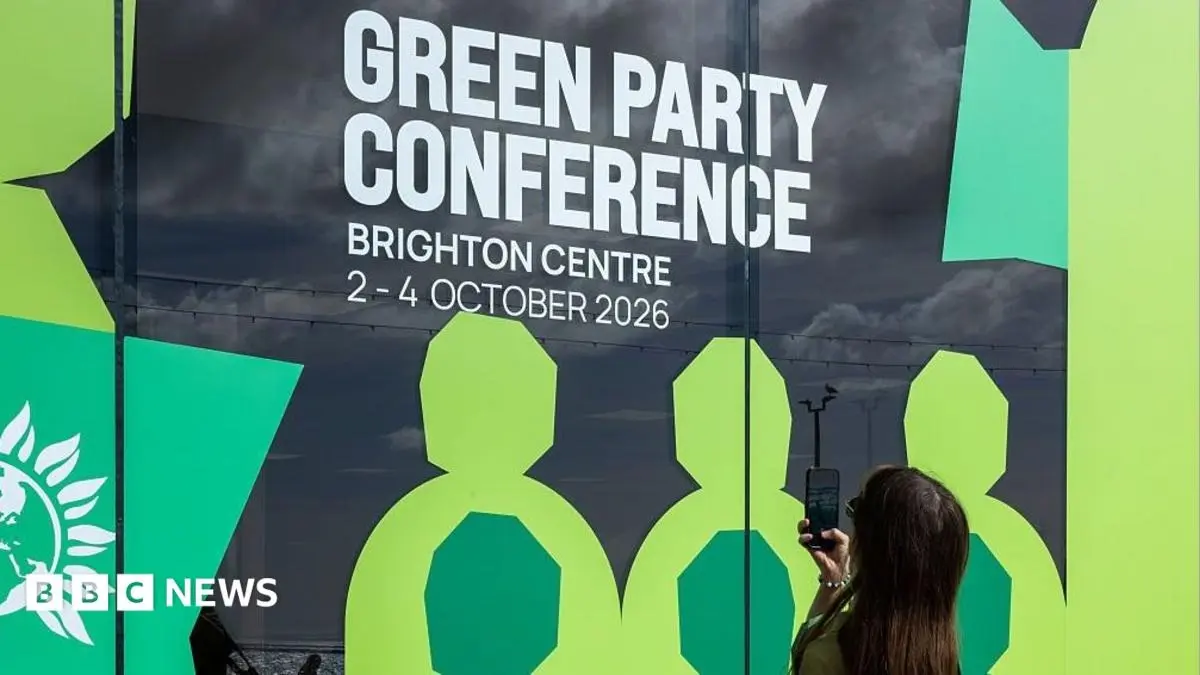
Beyond the internal dynamics of the Green Party, the fallout from this weekend’s conference has wider political implications, particularly for the Labour Party and its ongoing debates over electoral reform. Specifically, the controversy may present a significant political headache down the line for figures like Andy Burnham. During his speech at the Labour Party conference last week, the prime minister announced the creation of a "national commission" on electoral reform, signaling a long-term intention to examine changes to the system used for general elections. This commission represents a major concession to those within and outside Labour who argue that the first-past-the-post system is outdated and undemocratic.
Although Burnham did not specify the exact proportional representation system he would favor, he made a clear commitment on behalf of the progressive movement. He stated that, at the next general election, Labour would commit to a new electoral system designed to ensure that "everyone’s vote counts and everyone’s voice is heard." For proponents of electoral reform, a move to any form of proportional representation would be a historic victory. Under current voting trends, such a system would almost certainly result in a substantial increase in the number of Green MPs elected to Parliament, reflecting their significant share of the national popular vote.
In the event of a future hung parliament—a highly plausible scenario under a proportional system—the Greens would be a natural partner for a minority Labour government. Labour would almost certainly look to the Greens as a key component of a broader "progressive bloc" to secure a working majority. However, the Green Party’s adoption of the Zionism-as-racism motion makes the prospect of any future cooperation highly toxic for Labour’s leadership. The resolution has drawn immediate, scathing condemnation from senior Labour figures, who are keen to demonstrate that the party has moved decisively away from the controversies that dogged it in recent years.
Bridget Phillipson, the Labour Party chair, did not mince her words, describing the Greens’ actions over the weekend as "shameful" and "fundamentally wrong." Her condemnation was echoed by Angela Rayner, the communities secretary, who stated unequivocally that the Zionism motion "crosses a line and is rightly being condemned across the political spectrum." For a Labour leadership that has spent years rebuilding its relationship with the Jewish community and purging antisemitism from its own ranks, the prospect of being forced into a parliamentary alliance with a party that officially defines Zionism as racism is a political nightmare.
Ultimately, the Green Party’s weekend conference has highlighted the complex challenges of rapid political growth. As the Greens transition from a single-issue pressure group into a significant electoral force with parliamentary representation and local government responsibilities, the tension between grassroots radicalism and pragmatic governance will only intensify. At the same time, the controversy has reverberated through Westminster, providing fresh ammunition to those within the Labour Party who remain deeply skeptical of electoral reform. By passing a motion that has alienated mainstream political allies and triggered international condemnation, the Green membership may have inadvertently strengthened the hand of those who wish to keep the electoral system exactly as it is, shutting the door on the very proportional system that would allow the Greens to truly expand their power.