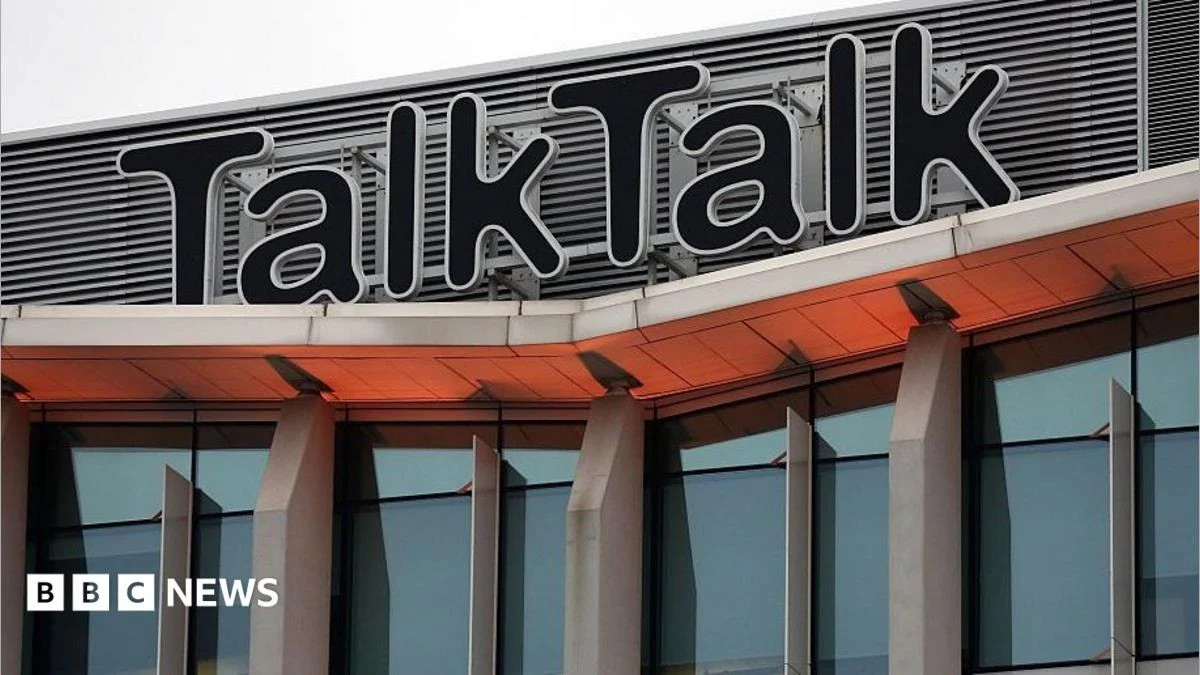
In a dramatic development that is set to reshape the landscape of the United Kingdom’s telecommunications industry, BT, the nation’s largest broadband provider, has formally agreed to acquire its struggling rival operator, TalkTalk. This high-stakes takeover agreement represents a crucial lifeline for TalkTalk, bringing to an end months of intense speculation and anxiety regarding the company’s financial viability. TalkTalk, which has long established itself as a key value-focused player in the British telecom market, had recently found itself teetering on the very brink of administration, crippled by a mounting burden of debt that threatened its continued operations. The intervention by BT is poised to act as a significant stabilizing force, though the transaction remains subject to thorough scrutiny and approval by the UK’s competition regulator before it can be finalized.
The announcement of the takeover deal marks the culmination of a highly turbulent period for TalkTalk. For several months, industry analysts, financial observers, and consumers alike have closely monitored the company’s precarious financial position. As rumors of its potential collapse circulated, the prospect of TalkTalk entering administration became an increasingly realistic and alarming scenario. In the corporate world, administration is a mechanism designed to protect a company facing insolvency while a rescue plan is formulated, but for a major utility provider, it carries the risk of widespread operational disruption. Had TalkTalk been forced into administration, it could have triggered a highly complex and chaotic process, potentially jeopardizing the daily internet connectivity of millions of individuals, households, and businesses across the country.
To fully appreciate the magnitude of this rescue deal, one must look at the sheer scale of TalkTalk’s customer base. The operator currently services approximately 1.5 million retail customers throughout the United Kingdom. These are residential households, families, and small business owners who depend directly on TalkTalk for their day-to-day broadband access, remote working capabilities, entertainment, and digital communication. In addition to its retail footprint, TalkTalk supports one million wholesale customers. This wholesale division is a critical component of the UK’s broader internet ecosystem, as it involves other service providers, virtual operators, and corporate entities that utilize TalkTalk’s network infrastructure to deliver connectivity to their own end-users. In total, the future of 2.5 million active connections was hanging in the balance, highlighting why the threat of TalkTalk’s insolvency was viewed with such gravity by both industry insiders and government observers.
By stepping forward as the buyer, BT is reinforcing its position as the undisputed heavyweight of the UK broadband market. The decision to absorb a major competitor like TalkTalk is a bold strategic move under the leadership of BT’s Chief Executive, Alison Kirkby. Since taking the helm of the telecom giant, Kirkby has been tasked with navigating a rapidly changing market characterized by intense competition, heavy infrastructure investment demands, and evolving consumer expectations. By acquiring TalkTalk, BT not only neutralizes a long-standing rival but also dramatically expands its own customer portfolio. This acquisition allows BT to integrate TalkTalk’s substantial retail and wholesale assets into its own massive, established national network, potentially unlocking significant operational efficiencies and consolidating its market dominance.
In her public statements following the announcement of the agreement, Chief Executive Alison Kirkby sought to address the immediate concerns of those affected by TalkTalk’s financial instability. She emphasized the protective nature of BT’s intervention, framing the acquisition as a vital measure of security for the public. Kirkby stated that the agreed deal provided "a safety net for the households and businesses who rely on TalkTalk." This choice of words is particularly significant, as it directly acknowledges the anxiety that many consumers and business owners may have felt while TalkTalk’s future remained uncertain. By positioning BT as a guardian of digital continuity, Kirkby aimed to reassure the market that vital communications services would remain stable, secure, and uninterrupted under the stewardship of the country’s largest provider.