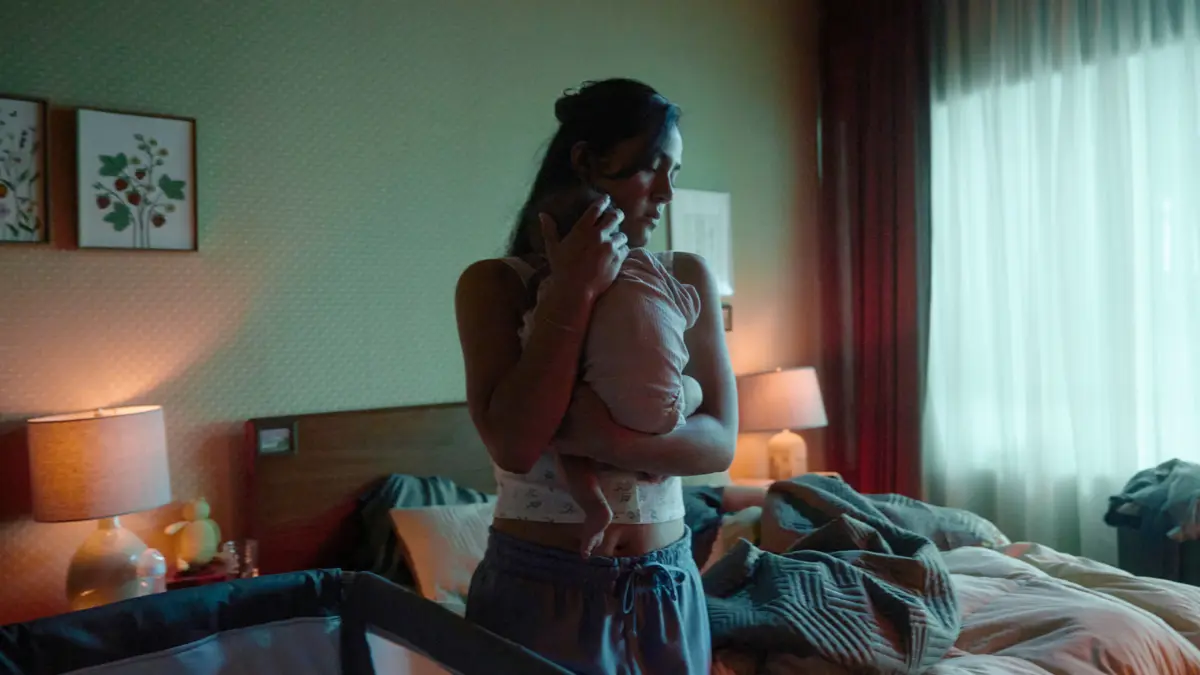
The image of the serene new mother, glowing in the soft light of a nursery while cradling a sleeping infant, has long been a staple of popular culture and commercial advertising. Yet, for millions of women, the reality of the postpartum period is defined by a far more jarring set of experiences: the piercing sound of a screaming baby that won’t be soothed, the physical transformation of stretch marks, and the profound isolation of crying alone in a shower to mask the sound of one’s own distress. These harsh realities of early motherhood are frequently shrouded in a veil of secrecy, driven by a societal expectation of maternal perfection that leaves little room for the admission of struggle. In an effort to dismantle this culture of silence, the Ad Council has unveiled a poignant new public service announcement designed to bring these hidden experiences into the light and provide a lifeline for those navigating the complexities of maternal mental health.
Launched today in anticipation of World Mental Health Day, the new initiative, titled “What’s Her Secret?”, serves as the cornerstone of a broader maternal mental health effort known as The Secret to Motherhood. This project is a specialized extension of the Ad Council’s wider “Love, Your Mind” campaign, a comprehensive national movement dedicated to mental health awareness and the normalization of seeking support. By focusing specifically on new and expecting mothers, the campaign seeks to validate the emotional and psychological challenges that often accompany the transition into parenthood, urging women to prioritize their own mental well-being alongside the care of their children.
The centerpiece of the campaign is a PSA developed pro-bono by the creative agency Mischief USA. The film opens on a scene familiar to many: a group of women gathered in a sun-dappled park, their strollers parked nearby as they catch up on the nuances of their lives. The conversation eventually turns toward one mother who appears to be navigating the demands of a new baby with effortless grace. “How do you make it look so easy?” one friend asks, her voice tinged with a mix of genuine curiosity and perhaps a touch of the same inadequacy many mothers feel when comparing themselves to their peers.
The protagonist pauses, offering a measured response that touches on the typical pillars of successful parenting—a consistent routine, a reliable support system, and a sense of balance. However, the visual narrative tells a starkly different story. As she speaks, a rapid-fire montage of her private reality plays on a loop in her head, invisible to her companions. These flashes show the grueling, unglamorous side of her life: the exhaustion of sleepless nights, the repetitive strain of daily chores, and the overwhelming feeling of being underwater while trying to keep up appearances.
As the internal chaos in her mind reaches a crescendo, the external dialogue of the park scene fades into the background. A voice-over enters the space, delivering the campaign’s central thesis: “There is no secret to motherhood. There are only secrets we’re keeping about it.” This powerful revelation aims to strip away the pretense of the "perfect mom" archetype, suggesting that the perceived ease of others is often a facade maintained by the same silence that isolates the woman struggling next to them.