The European energy sector is currently navigating a period of profound and irreversible transformation. For decades, the industry operated on a relatively straightforward, centralized model where large-scale power plants—primarily fueled by coal, gas, or nuclear energy—adjusted their output to meet the predictable consumption patterns of homes and businesses. However, that era of predictability has come to an end. Today, the conversation surrounding energy has shifted from technical feasibility to economic viability, with "flexibility" emerging as the most critical asset in a modern utility’s portfolio.
The challenge facing the industry today is not necessarily a lack of flexible resources. Between industrial-scale battery storage, responsive manufacturing loads, and the proliferation of distributed solar and wind assets, the physical capacity to adjust energy supply and demand exists. The real obstacle is economic: the inability to effectively aggregate, manage, and monetize these resources in an increasingly complex market. As price volatility reaches record highs and the grid becomes more decentralized, energy companies that fail to harness their flexibility potential are finding themselves sidelined, losing out on significant revenue streams that are essential for long-term survival.
The Triple Driver of Europe’s Energy Evolution
Three primary forces are converging to rewrite the rules of the European energy market: the aggressive expansion of renewable energy, the decentralization of generation, and the resulting surge in price volatility. Each of these factors places immense pressure on the traditional grid architecture and necessitates a more agile approach to resource management.
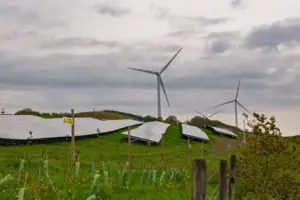
The shift toward renewable energy sources, while essential for climate goals, introduces a fundamental variability into the system. Unlike a gas turbine that can be fired up on command, solar panels and wind turbines are beholden to the weather. This inherent unpredictability means that the supply of electricity can fluctuate wildly within minutes, creating a constant need for balancing mechanisms that can react just as quickly.
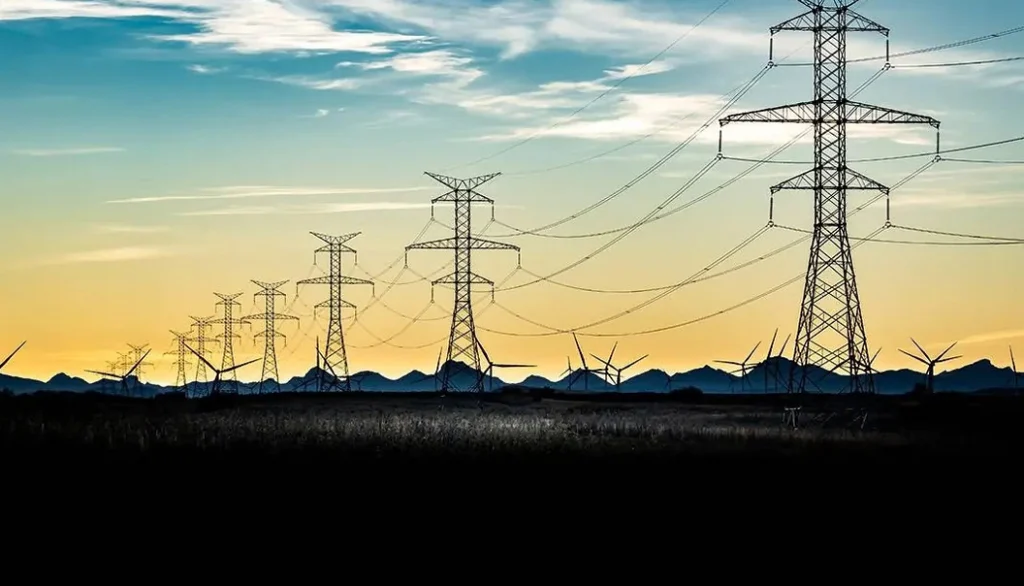
Simultaneously, the grid is undergoing a massive decentralization. The "top-down" model of energy flow is being replaced by a web of thousands of smaller, localized sources. From residential rooftop solar arrays to community-scale battery systems and small-scale hydroelectric plants, energy is now being fed into the grid from every direction. Managing this fragmented landscape requires a level of coordination that traditional dispatch systems were never designed to handle.
Finally, these structural changes have led to unprecedented price volatility on energy exchanges. In today’s market, it is not uncommon to see electricity prices swing by double-digit percentages within a single hour. While this volatility presents a risk to those who are unprepared, it offers a lucrative opportunity for those who can move energy strategically—buying or storing when prices are low and selling or reducing consumption when prices peak.
Flexibility as the New Strategic Commodity
In this new environment, flexibility has evolved from a technical characteristic into a high-value tradable commodity. It is no longer just about keeping the lights on; it is about providing the services that ensure the grid remains stable under the weight of renewable intermittency. Transmission System Operators (TSOs) and Distribution System Operators (DSOs) are the primary buyers of this service, increasingly relying on flexible resources to regulate frequency, manage voltage, and balance the system in real-time.
European legislation has recognized this shift, actively paving the way for new market participants such as flexibility aggregators and Virtual Power Plants (VPPs). These entities act as intermediaries, grouping together various small-scale resources—such as a fleet of electric vehicle chargers or an industrial cold storage facility—and offering their collective flexibility to the market as a single, reliable block.