For decades, the California Environmental Quality Act, or CEQA, has stood as the state’s primary tool for environmental preservation. However, in the realm of residential real estate, it has also earned a reputation as the primary weapon used by project opponents to stall, downsize, or entirely dismantle housing developments. Through a relentless cycle of litigation and administrative appeals, challengers have often succeeded in making the cost of building homes in California prohibitively expensive and time-consuming.
In a decisive move to shift this dynamic, Governor Gavin Newsom recently signed a series of bills aimed at curtailing the use of CEQA as a stalling tactic. Building upon a foundation of major reforms enacted last year, this new legislative package includes two high-profile bills, Senate Bill 344 and Senate Bill 958, which specifically target the legal hurdles that have long plagued urban infill projects. These bills were signed on Tuesday as part of a broader housing package designed to dismantle regulatory barriers and accelerate the construction of affordable housing across a state currently grappling with a severe supply shortage.
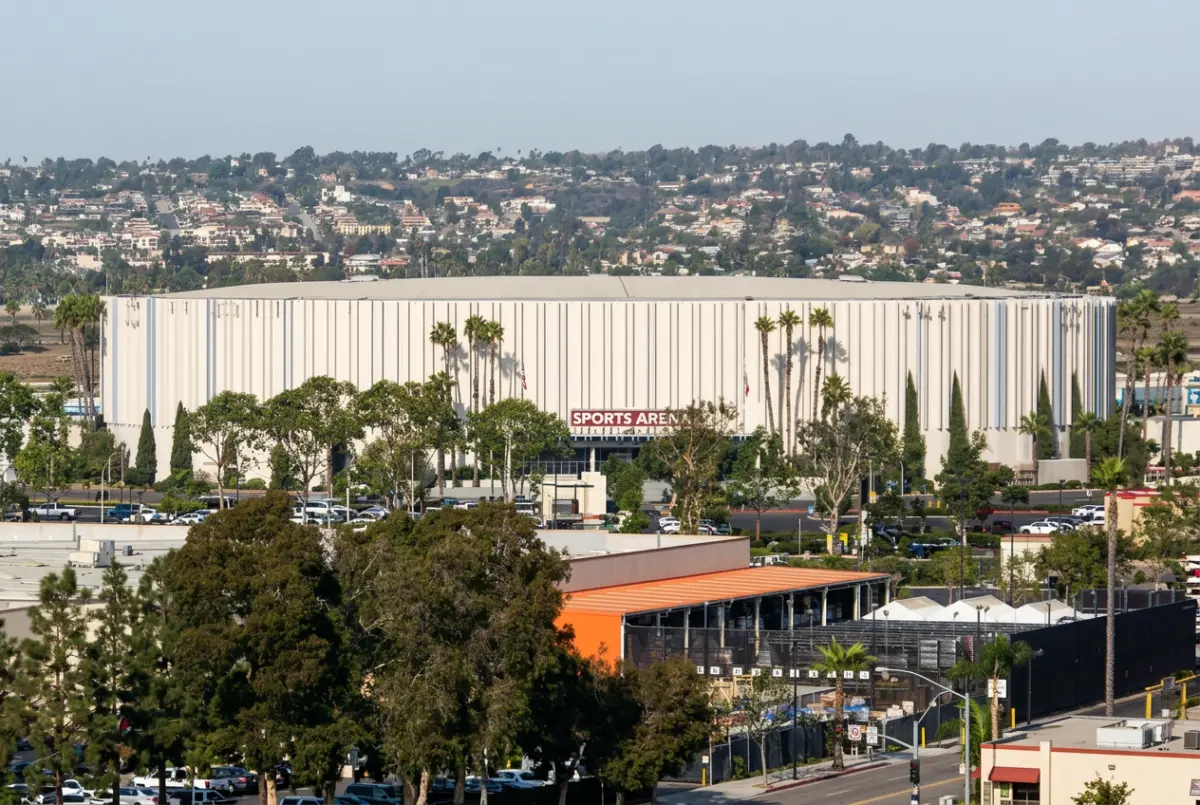
One of the most significant aspects of this legislative push is its focus on a specific, multi-billion-dollar project in San Diego that has become a national symbol of the "NIMBY" (Not In My Backyard) versus "YIMBY" (Yes In My Backyard) conflict. By signing these bills, Newsom has effectively cleared a path for the Midway Rising project, making it the subject of the first state law of its kind designed to insulate a specific development from further environmental litigation.
A Legislative Strike Against Litigation Tactics
The genesis of Senate Bills 344 and 958 can be traced directly to the ongoing legal battles surrounding Midway Rising, a $3.9 billion redevelopment of the aging San Diego Sports Arena site. The project, which represents one of the most ambitious urban renewal efforts in the city’s history, has been mired in a textbook case of CEQA-based litigation for years.
Senate Bill 344, authored by San Diego-area Senator Akilah Weber Pierson and sponsored by Mayor Todd Gloria, is a surgical legislative strike. It effectively shuts down any further CEQA challenges to the Midway Rising project’s environmental review once the City of San Diego officially certifies it. This provides the development team with a level of legal certainty rarely seen in California’s complex regulatory environment. By creating a "finish line" for litigation, the state is signaling that while environmental review is necessary, it cannot be used as an infinite loop to prevent progress.
Complementing this is Senate Bill 958, which addresses a broader, statewide issue. This bill bars the addition of building height from being used as a determining factor in evaluating a project’s environmental impact for qualifying infill developments. Historically, opponents of density have used the "impact" of taller buildings—arguing they affect everything from shadows and airflow to "community character"—as a way to trigger exhaustive and expensive environmental impact reports. SB 958 removes this specific arrow from the quiver of project challengers, ensuring that height alone cannot be the basis for a project-killing CEQA lawsuit.
Both bills passed the State Senate with unanimous approval, reflecting a growing bipartisan consensus in Sacramento that the state’s housing crisis requires drastic measures to curb the abuse of environmental laws.
The Transformation of the Midway District