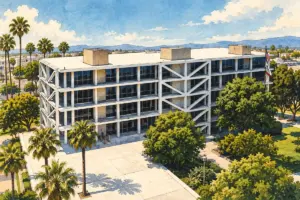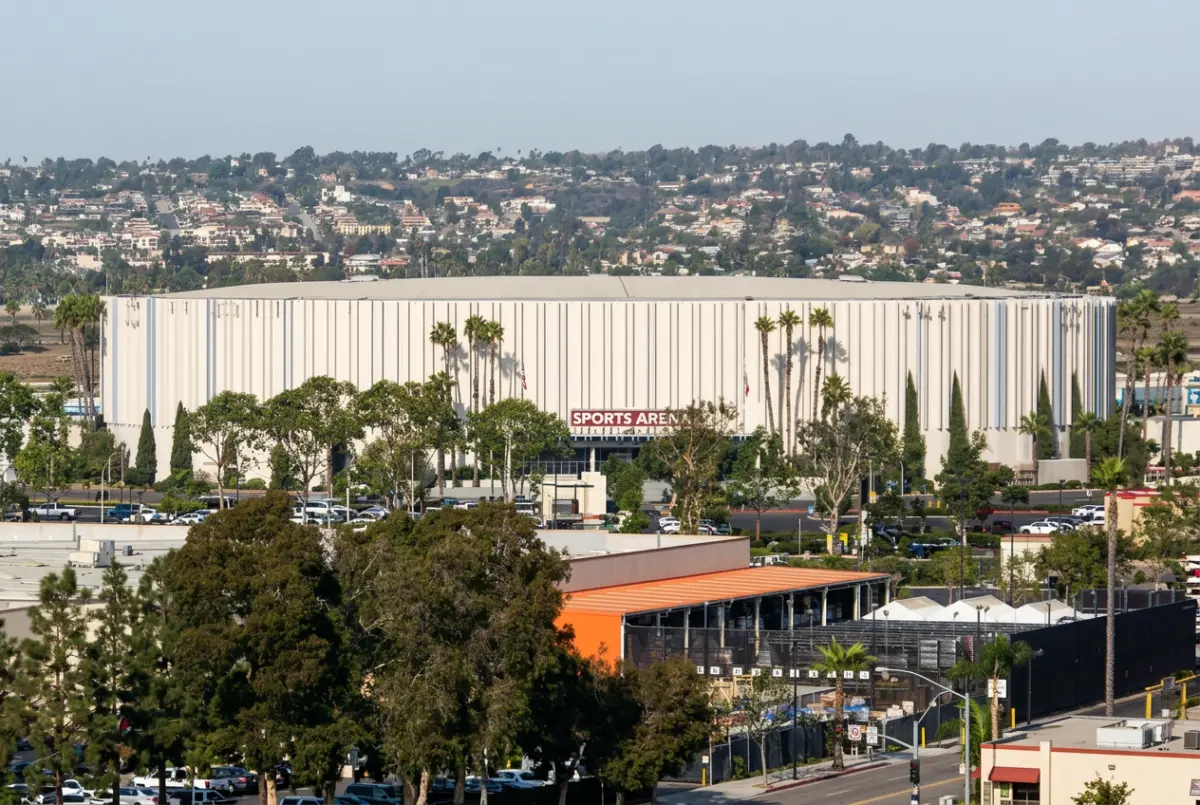
The Midway Rising project is not just another apartment complex; it is a massive 49.2-acre redevelopment project intended to transform a dilapidated industrial and commercial zone into a vibrant urban hub. The vision for the site includes more than 4,000 new homes, half of which—approximately 2,000 units—are slated to be deed-restricted affordable homes. The project also promises a new, world-class sports arena to replace the current 1960s-era facility, along with extensive new park spaces and transit-oriented infrastructure.
San Diego Mayor Todd Gloria, a vocal advocate for the project, expressed relief and optimism following the Governor’s signature. "San Diegans have waited decades to see the Midway District transformed," Gloria said in a statement. "We now have greater certainty to move this long-awaited vision forward that will deliver over 4,000 new homes, including 2,000 deed-restricted affordable homes, along with new park space and a new world-class arena."
The project gained significant financial momentum in 2023 when billionaire Stan Kroenke joined as the chief financial backer. Kroenke, whose sports empire includes the NFL’s Los Angeles Rams and the NBA’s Denver Nuggets, and who recently expanded his portfolio to include MLB’s Los Angeles Angels, brings the capital necessary to see such a massive undertaking to completion. The redevelopment is expected to take approximately 14 years to finish, a timeline that underscores the long-term commitment required for large-scale urban infrastructure.
Taking the City to Court: The Case for the Opposition
Despite the political and financial weight behind Midway Rising, the path to this point has been anything but smooth. A coalition of local residents and advocacy groups, most notably the nonprofit Save Our Access, has fought the project at every turn.
The core of the legal dispute centered on the Midway District’s 30-foot height limit, a restriction that had been in place for decades to protect coastal views and community aesthetics. Voters in San Diego approved ballot measures to lift this height limit to allow for the density required for Midway Rising. However, Save Our Access successfully sued the city twice, arguing that the city violated CEQA by failing to conduct a thorough enough study on how taller buildings would impact the surrounding environment.
The plaintiffs’ arguments focused on technical environmental factors such as airflow, traffic congestion, and the potential impact on local wildlife. These legal challenges were successful in the lower courts; an appellate court invalidated the second ballot measure in October 2025, and the California Supreme Court declined to review the city’s appeal later that year. These rulings effectively reinstated the 30-foot height cap, putting the entire $3.9 billion project in jeopardy.
Everett DeLano, the attorney representing Save Our Access, has been a vocal critic of the state’s intervention. He pointed out what he viewed as the irony of the legislative process used to pass the Midway-specific protections. "Is it just me, or does anyone else see an irony in taking a bill that was supposed to be about the disposal of human remains and turning it into Midway Rising ‘fast track’ legislation?" DeLano told the Peninsula Beacon, referring to the "gut and amend" process often used in the legislature to repurpose existing bills for urgent matters.
A Broader Housing Package for a State in Crisis