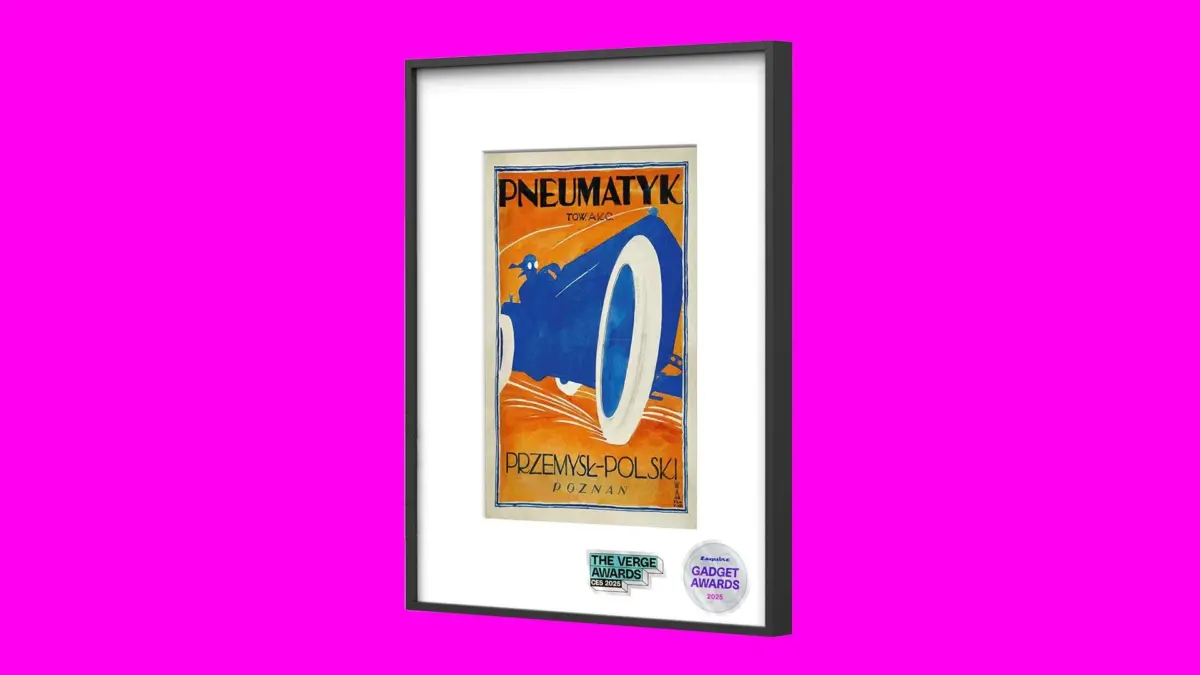
For years, the gold standard for blending technology with interior design has been the "Frame TV." It was a concept that promised to solve a perennial problem in home aesthetics: the "black hole" effect of a large, powered-down television dominating a living room. By displaying high-resolution art when not in use, these devices successfully transformed a piece of utility hardware into a centerpiece of gallery-style decor. However, as the novelty of the hybrid television has matured, a new contender has emerged for art enthusiasts who find the traditional screen too intrusive, too expensive, or too tethered to the wall.
The rise of e-ink digital frames represents a shift toward a more "analog" digital experience. Leading this charge is the Swiss company InkPoster, whose range of displays—specifically the Affresco and Tela models—offers a distinct alternative to the glowing, power-hungry screens of the past. By prioritizing the texture of paper and the behavior of physical ink over the refresh rates and brightness of a standard monitor, these frames are carving out a niche for those who want their digital art to feel less like a broadcast and more like a permanent fixture of their home.
The Limitations of the Traditional Frame TV
To understand the appeal of a device like the InkPoster Affresco, one must first look at the compromises inherent in the Frame TV model. While modern televisions have become remarkably thin and their "Art Mode" software increasingly sophisticated, they remain, at their core, light-emitting diodes. This means that even at their lowest brightness settings, they emit a subtle glow that betrays their digital nature, particularly in the evening or in low-light environments. For the purist, art is something that should be revealed by ambient light, not something that generates its own.
Furthermore, the placement of a Frame TV is almost always dictated by the layout of the furniture. Because it serves as the primary screen for entertainment, it must be positioned opposite a sofa or central seating area. This limits the homeowner’s ability to treat the digital art as part of a wider gallery wall or to place it in hallways, bedrooms, or dining areas where a massive television would feel out of place. There is also the persistent issue of the "umbilical cord"—the power cable and often a proprietary connection box that requires professional installation or creative "ghost" wiring to truly hide.
InkPoster’s approach addresses these hurdles by stripping away the "television" aspect entirely. By focusing solely on the display of static imagery through e-ink technology, the company has created a device that is more versatile, more understated, and significantly more convincing as a piece of physical art.
Why use an e-ink picture frame rather than a frame TV?
The most immediate difference between an e-ink frame and a standard display is the visual quality of the image itself. E-ink, or electronic paper, works by using small microcapsules filled with electrically charged pigments. When a charge is applied, the pigments move to the surface to create an image. Once the image is set, it requires zero power to maintain. This results in a display that is entirely matte and lacks any backlighting.
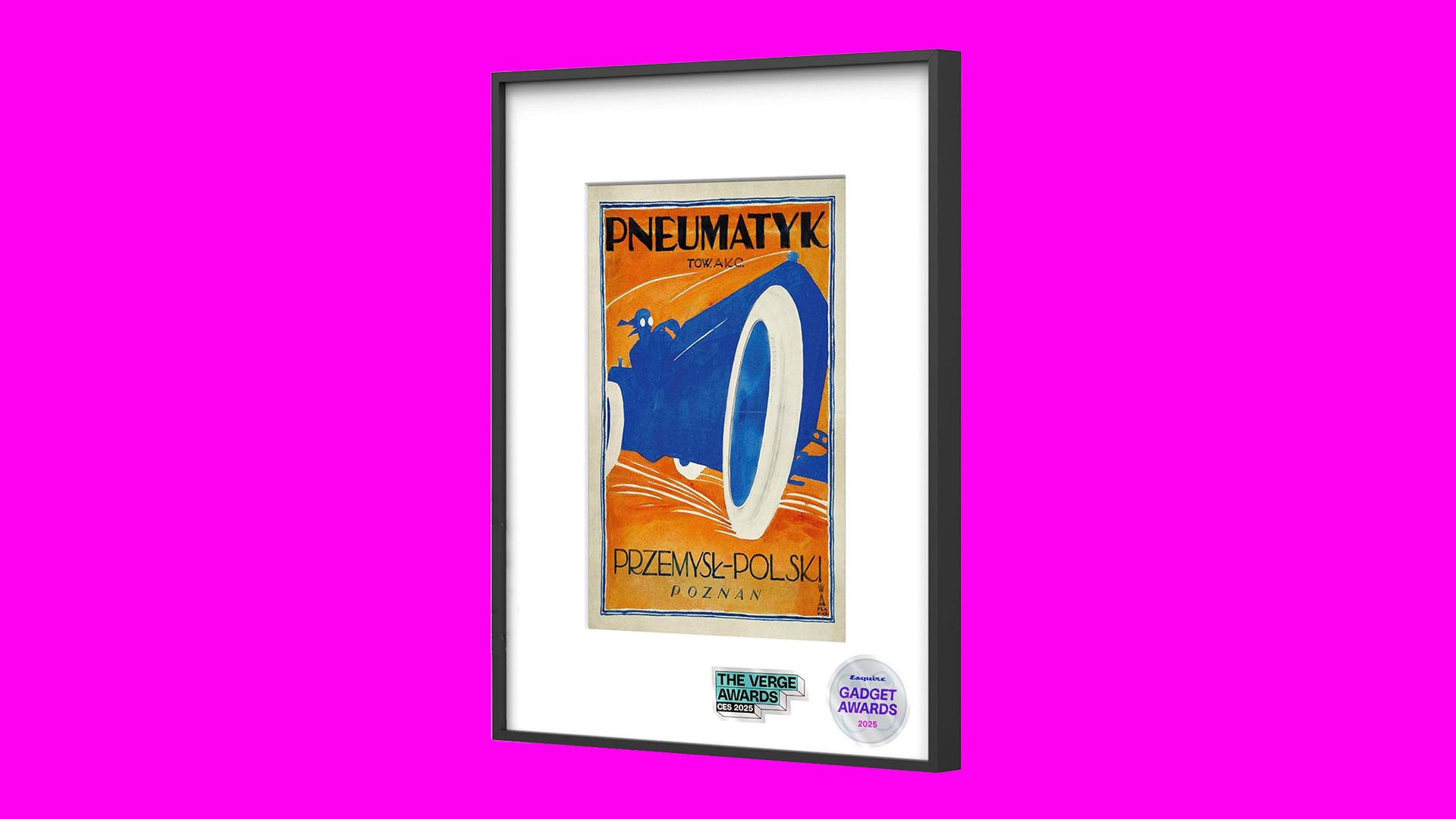
When you hang an InkPoster frame on a wall, it does not demand attention in the way a glowing screen does. Instead, it sits quietly, reacting to the natural light in the room just as a traditional oil painting or a framed photograph would. In the bright morning sun, the details are crisp and clear; as the sun sets, the image fades into the shadows of the room. This lack of an artificial glow is perhaps the most significant factor in why e-ink frames are gaining traction among interior designers. They do not compete with the lighting design of a room; they complement it.