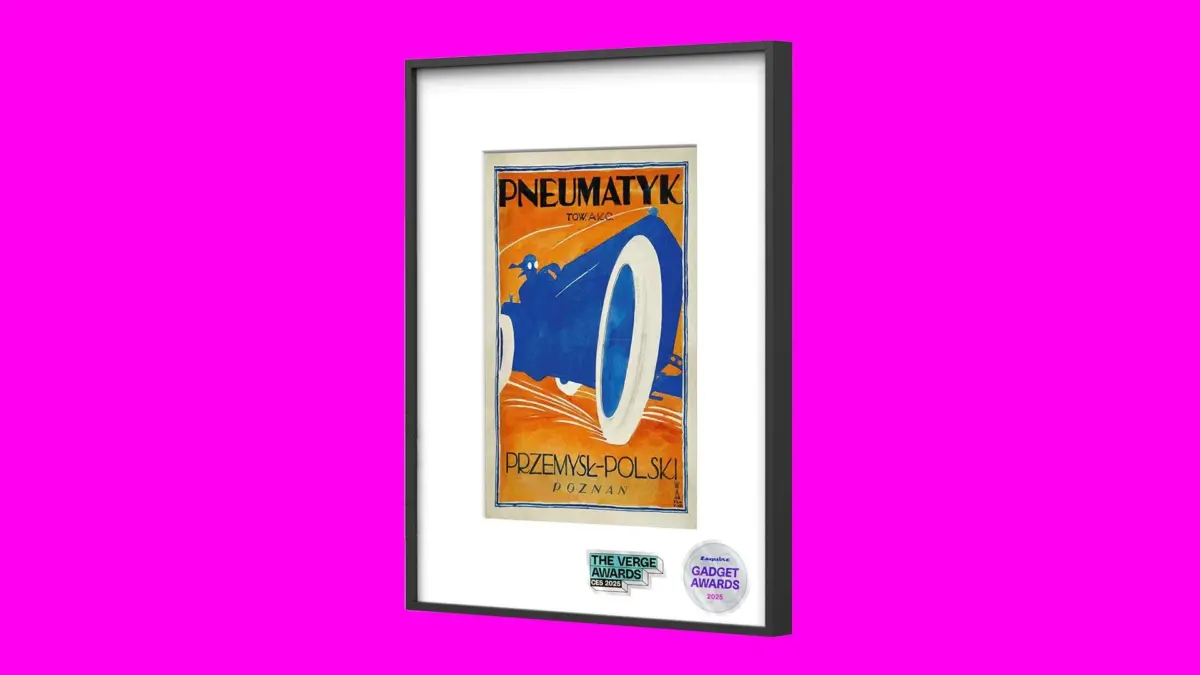
For years, the gold standard for blending technology with interior design has been the "Frame TV." It was a concept that promised to solve a perennial problem in home aesthetics: the "black hole" effect of a large, powered-down television dominating a living room. By displaying high-resolution art when not in use, these devices successfully transformed a piece of utility hardware into a centerpiece of gallery-style decor. However, as the novelty of the hybrid television has matured, a new contender has emerged for art enthusiasts who find the traditional screen too intrusive, too expensive, or too tethered to the wall.
The rise of e-ink digital frames represents a shift toward a more "analog" digital experience. Leading this charge is the Swiss company InkPoster, whose range of displays—specifically the Affresco and Tela models—offers a distinct alternative to the glowing, power-hungry screens of the past. By prioritizing the texture of paper and the behavior of physical ink over the refresh rates and brightness of a standard monitor, these frames are carving out a niche for those who want their digital art to feel less like a broadcast and more like a permanent fixture of their home.
The Limitations of the Traditional Frame TV
To understand the appeal of a device like the InkPoster Affresco, one must first look at the compromises inherent in the Frame TV model. While modern televisions have become remarkably thin and their "Art Mode" software increasingly sophisticated, they remain, at their core, light-emitting diodes. This means that even at their lowest brightness settings, they emit a subtle glow that betrays their digital nature, particularly in the evening or in low-light environments. For the purist, art is something that should be revealed by ambient light, not something that generates its own.
Furthermore, the placement of a Frame TV is almost always dictated by the layout of the furniture. Because it serves as the primary screen for entertainment, it must be positioned opposite a sofa or central seating area. This limits the homeowner’s ability to treat the digital art as part of a wider gallery wall or to place it in hallways, bedrooms, or dining areas where a massive television would feel out of place. There is also the persistent issue of the "umbilical cord"—the power cable and often a proprietary connection box that requires professional installation or creative "ghost" wiring to truly hide.
InkPoster’s approach addresses these hurdles by stripping away the "television" aspect entirely. By focusing solely on the display of static imagery through e-ink technology, the company has created a device that is more versatile, more understated, and significantly more convincing as a piece of physical art.
Why use an e-ink picture frame rather than a frame TV?
The most immediate difference between an e-ink frame and a standard display is the visual quality of the image itself. E-ink, or electronic paper, works by using small microcapsules filled with electrically charged pigments. When a charge is applied, the pigments move to the surface to create an image. Once the image is set, it requires zero power to maintain. This results in a display that is entirely matte and lacks any backlighting.
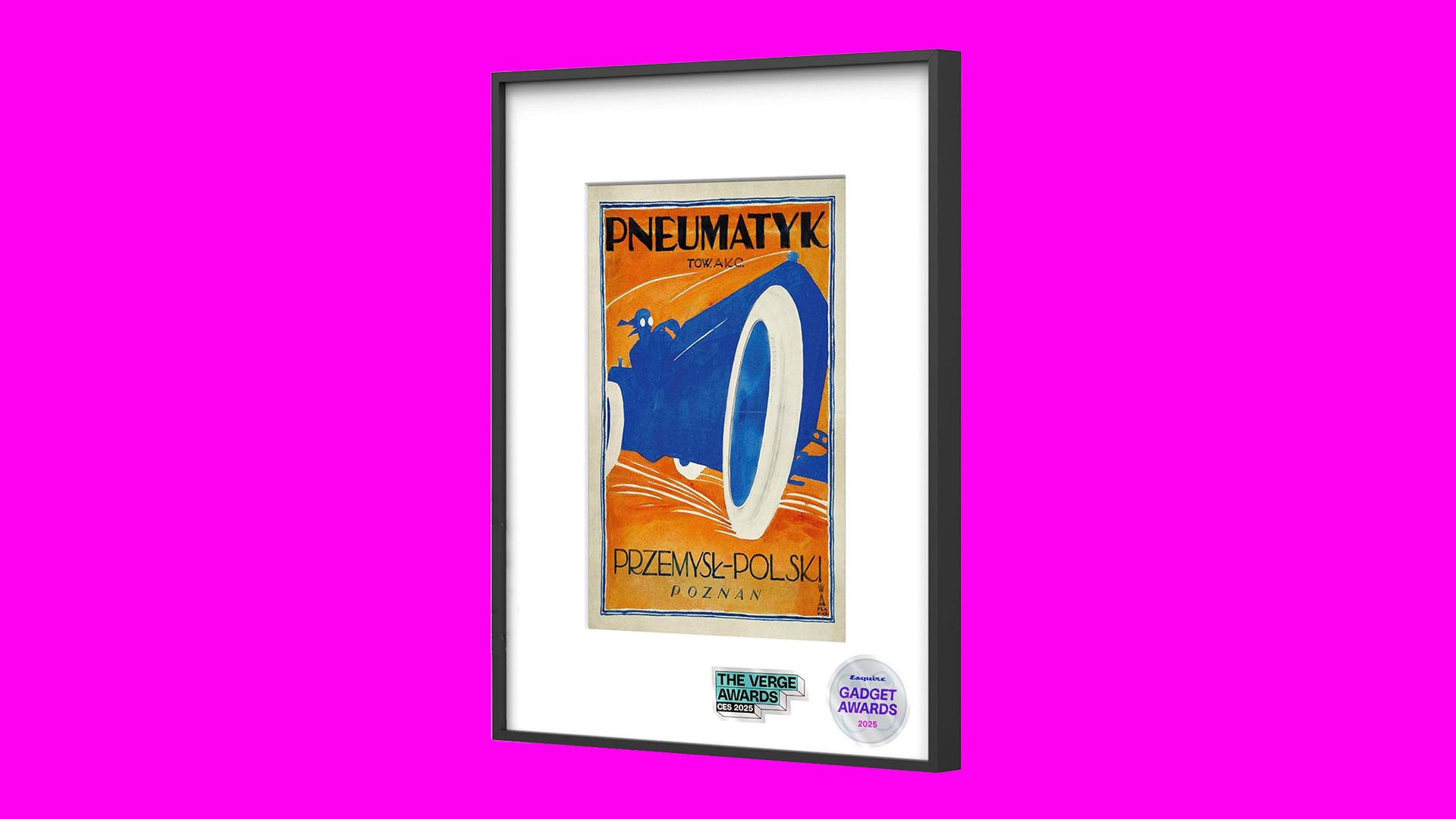
When you hang an InkPoster frame on a wall, it does not demand attention in the way a glowing screen does. Instead, it sits quietly, reacting to the natural light in the room just as a traditional oil painting or a framed photograph would. In the bright morning sun, the details are crisp and clear; as the sun sets, the image fades into the shadows of the room. This lack of an artificial glow is perhaps the most significant factor in why e-ink frames are gaining traction among interior designers. They do not compete with the lighting design of a room; they complement it.
The versatility of these frames is further enhanced by their power requirements. Because e-ink only uses energy when changing the image, InkPoster has been able to develop battery-powered models that eliminate the need for trailing cables. This opens up a world of possibilities for placement. An e-ink frame can be hung in a narrow hallway, perched on a bookshelf, or integrated into a collage of traditional frames without the need for an adjacent power outlet. For the 28.5-inch Tela model or the Affresco screens, this means the digital art can finally move beyond the living room and into the more intimate corners of the home.
The Tactile Experience of Digital Art
During hands-on reviews of the InkPoster Tela, critics have noted that the device feels fundamentally different from a piece of consumer electronics. It possesses the "heft" of a real wooden frame and the slight "flex" of a canvas, rather than the cold, rigid glass and plastic feel of a modern TV. This tactile quality is essential for a device intended to mimic a physical object. The matte surface of the screen further sells the illusion, diffusing light in a way that makes the digital pigments look like they are embedded in the surface rather than sitting behind a pane of glass.
One of the most unique aspects of the InkPoster experience is the way the artwork actually changes. On a standard digital frame, an image swap is instantaneous or involves a digital fade. On an e-ink display, the process is much more deliberate. When a new piece of art is selected via the accompanying smartphone app, the frame undergoes a slow, rhythmic transition as the pigment microcapsules shift into their new positions.
This "printing" effect is often described as oddly satisfying. It reinforces the idea that the frame is physically manifesting the art. It is a slow, analogue-feeling process in an age of instant digital gratification. For many users, this transition becomes a small event in itself—a moment of "slow tech" that matches the contemplative nature of viewing art.
A Curated Gallery at Your Fingertips
The software experience is equally important in bridging the gap between technology and decor. InkPoster utilizes a dedicated app that allows users to manage their displays with ease. The app provides access to a vast collection of world-renowned paintings, allowing homeowners to cycle through the works of the Old Masters, Impressionists, or contemporary photographers.
However, the system is not limited to a pre-selected library. Users can upload their own files, which is where the creative potential of the frame truly shines. The app includes tools to crop and resize images to fit the specific aspect ratio of the frame, ensuring that personal photographs or custom digital art look their best. Once the image is sent to the frame, the device can be unplugged from its initial setup cable and allowed to run on its internal battery, maintaining the chosen image for months at a time.
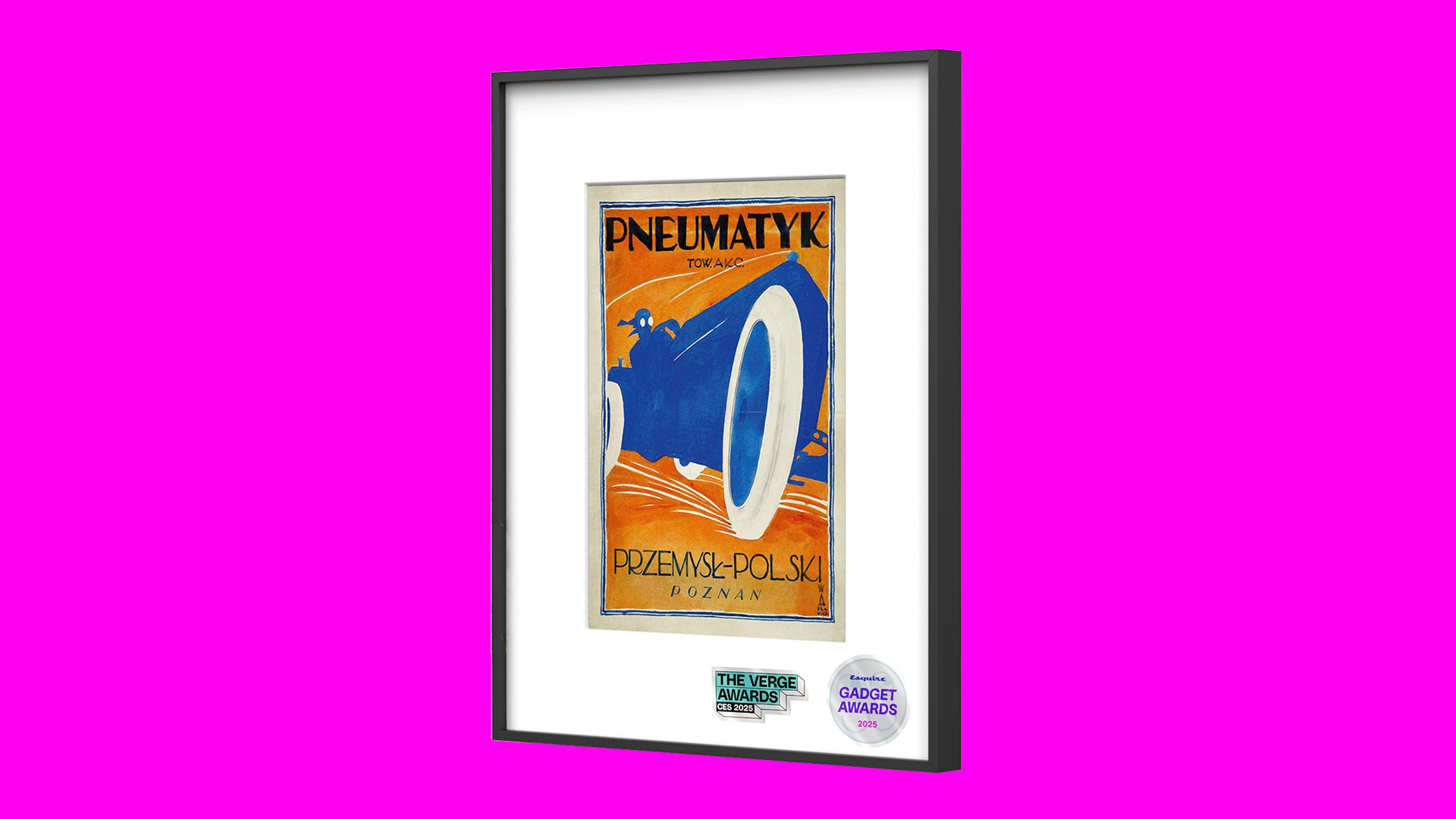
For those looking for a more premium aesthetic, InkPoster has expanded its offerings through high-end collaborations. The Tela model, for instance, is available in variations that feature luxury design accents. This includes the use of Alcantara—a high-tech suede-like material often found in luxury car interiors—for the "passepartout" (the matting between the art and the frame). Some of these premium designs were developed in partnership with the legendary Italian design house Pininfarina, bringing a level of sophistication to the hardware that is rarely seen in the digital frame market.
Scaling the Experience: From Affresco to Tela
InkPoster currently offers three distinct sizes to accommodate different spaces and budgets. The entry point is the 13.3-inch Affresco model, which is ideal for bedside tables, small nooks, or as part of a larger desk setup. At the other end of the spectrum is the 31.5-inch Affresco, a substantial piece of hardware that can serve as a primary focal point in a room.
The mid-sized 28.5-inch Tela model sits in the "sweet spot" for most users, offering enough screen real estate to appreciate the fine details of a painting while remaining small enough to be easily moved around the home. With the Affresco range starting at approximately $499, these devices are positioned as a premium but accessible alternative to both high-end digital frames and entry-level Frame TVs.
While $499 might seem steep compared to a basic tablet or a budget television, the value proposition of the InkPoster lies in its specialization. It is not trying to be a device that plays Netflix, browses the web, or checks your email. It is a dedicated piece of digital furniture designed to do one thing: display art as convincingly as possible. By stripping away the distractions of traditional screens, InkPoster has created a product that respects the sanctity of the home environment.
The Future of the Digital Canvas
As our homes become increasingly saturated with screens, the demand for "invisible" or "quiet" technology is growing. The success of e-ink art frames suggests that there is a significant audience of people who love art and technology but are wary of the "always-on" nature of modern devices. They want the convenience of a rotating gallery without the blue light, the cables, or the aesthetic compromise of a black glass rectangle on the wall.
The InkPoster range, with its Swiss engineering and focus on the physical qualities of art, represents a sophisticated evolution of the digital frame. Whether it is the large-scale presence of the 31.5-inch Affresco or the designer-led elegance of the Pininfarina-inspired Tela, these frames offer a way to bring the world’s greatest galleries into the home in a way that feels permanent, thoughtful, and, above all, beautiful. As the technology continues to refine, the line between the digital reproduction and the physical masterpiece continues to blur, making the dream of a truly dynamic home gallery a reality.