The path to this permanent ban began with an official suspension of BESS facilities, a moratorium intended to give town officials time to study the potential risks associated with the technology. However, for many residents of the Long Island town, a temporary stay was insufficient. Seeking a more lasting resolution, community members organized and advocated for a public hearing to address the future of energy storage in their jurisdiction. The resulting hearing provided a platform for citizens to voice their anxieties, ultimately leading the town board to move forward with an indefinite ban that precludes the development of these facilities within town limits.
At the heart of the controversy is the specific technology used in these storage systems. BESS facilities typically rely on lithium-ion batteries, the same technology found in smartphones and electric vehicles, but scaled up to industrial proportions to support the electrical grid. While these systems are considered a cornerstone of the transition to renewable energy—allowing for the storage of power generated by wind and solar for use during periods of high demand—they bring with them a unique set of fire safety challenges that have proven difficult for municipal services to manage.
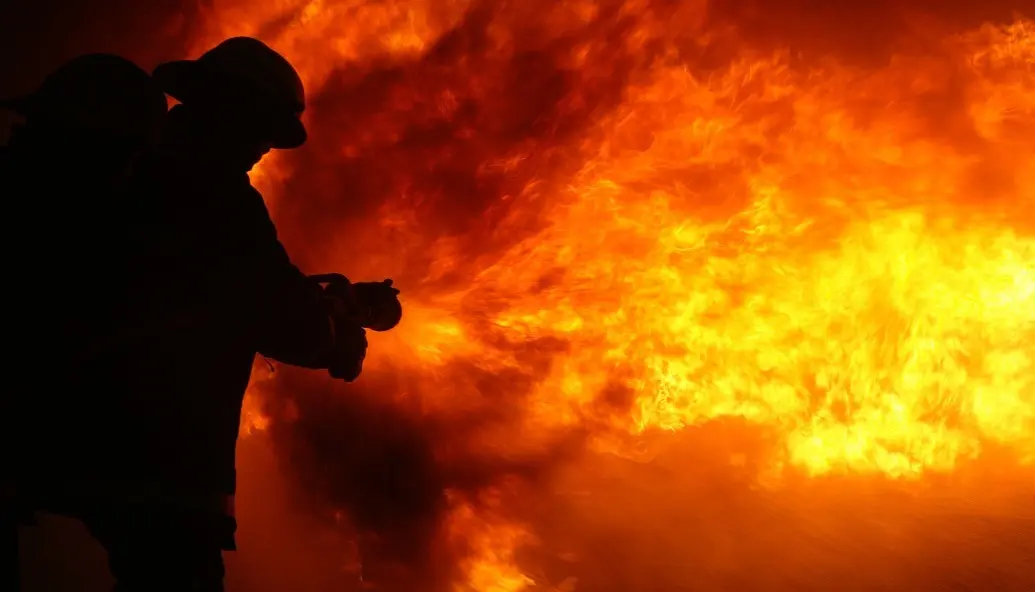
The primary justification cited for the ban is the extreme difficulty involved in extinguishing fires at such facilities. Lithium-ion battery fires are notoriously resilient and behave differently than traditional structural or chemical fires. During the public hearing and subsequent discussions, it was emphasized that while traditional fire suppression agents like dry chemicals and carbon dioxide (CO2) can be effective at knocking down visible flames, they often fail to address the underlying cause of the fire. The core issue is a phenomenon known as thermal runaway, a chemical chain reaction within the battery cells that generates intense heat and can continue even after surface flames have been suppressed.
Because these suppression methods do not provide sufficient cooling to interrupt the thermal runaway process, the risk of re-ignition remains high for hours or even days after an initial incident. This characteristic makes lithium-ion fires a persistent threat, requiring constant monitoring and specialized intervention that many local municipalities are not currently equipped to provide. In many documented cases of BESS failures elsewhere, emergency responders have had no choice but to let the units burn themselves out, as the amount of water required to cool the batteries effectively is often unavailable or creates a secondary risk of contaminated runoff.