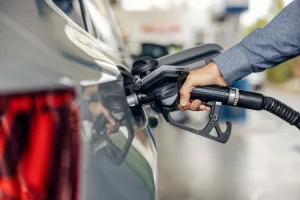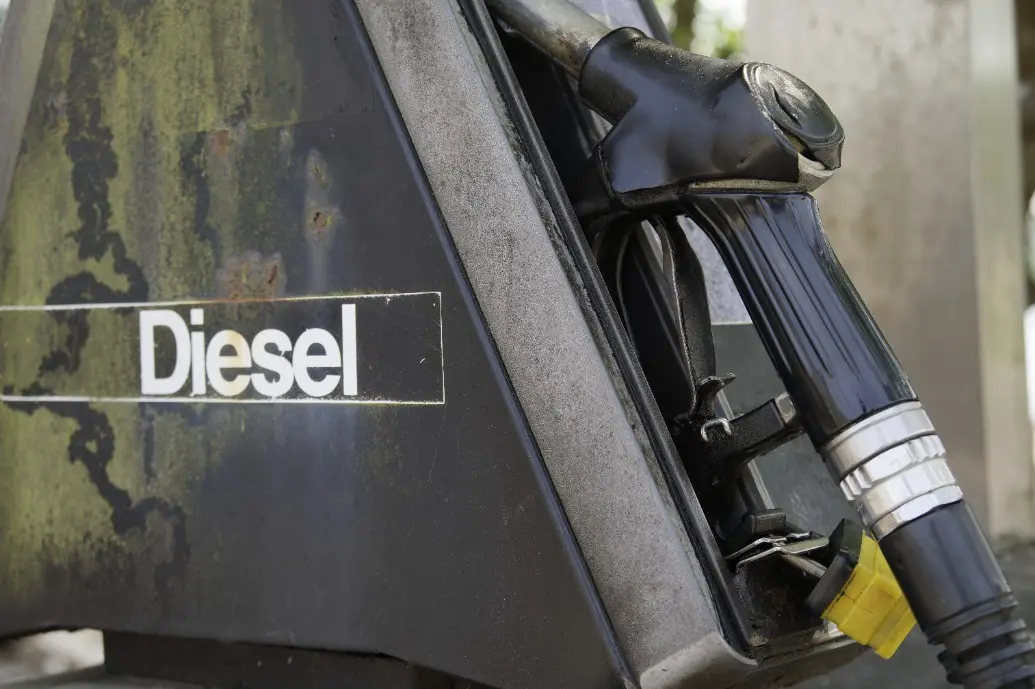
The tension reached a new peak this week, prompting senior government figures to take to the airwaves to prevent panic buying at the pumps and to reassure the logistics industry, which relies heavily on diesel for the movement of goods. Transport Minister Keir Mather, appearing in a high-profile interview on Good Morning Britain, sought to project a sense of calm and stability. He argued that while the threats from Washington are significant, the UK’s energy infrastructure is built to withstand such shocks through a combination of diverse supply chains and robust domestic reserves.
Addressing the public directly, Mather emphasized that there is currently no reason for motorists or commercial operators to change their refueling habits. He insisted that the UK’s fuel network remains "inherently resilient," a term the government is using to describe a supply system that does not rely on any single nation for its energy needs. Despite the aggressive rhetoric coming from the White House, Mather noted that the flow of fuel into British ports has not yet been interrupted, and the government is working behind the scenes to ensure that remains the case.
The core of the current crisis lies in a directive issued by the Trump administration, which has taken an increasingly protectionist stance regarding American energy exports. In a move that has sent shockwaves through global energy markets, the US administration told the governments of Germany and France that they must release their own emergency diesel stockpiles to help lower global prices. The ultimatum was clear: if these European powers do not act to ease the burden of soaring energy costs by tapping into their strategic reserves, the United States will move to ban the export of diesel to the continent entirely.
Although the primary targets of this threat were the major EU economies, the United Kingdom finds itself in a precarious position due to its integrated supply lines and its significant reliance on American refined products. Currently, the UK sources approximately 30% of its diesel directly from the United States. A sudden cessation of these imports would represent a substantial blow to the British energy mix, potentially leading to the very shortages the government is currently working so hard to avoid.
However, the government’s strategy for resilience is based on the remaining 70% of the supply. The majority of the UK’s diesel is sourced from mainland Europe and other international markets, providing a buffer against unilateral actions by any single trading partner. Furthermore, the UK maintains a strategic reserve equivalent to 42 days’ worth of consumption. This stockpile is designed specifically for scenarios such as this, where geopolitical volatility threatens to disrupt the normal flow of essential commodities.