As the United Kingdom approaches the colder months of the year, a new analysis of domestic energy consumption has revealed that the living room remains the most significant driver of heating demand in the average household. According to a comprehensive study conducted by the heating technology company tado, the living room accounts for approximately 28% of the total heating demand within a typical UK residence. This figure narrowly exceeds the demand generated by bedrooms, which follow closely at 25.9%. These findings arrive at a critical juncture for British consumers, who are currently bracing for a scheduled 4% increase in the energy price cap, set to take effect on October 1st.
The timing of the price cap adjustment is particularly sensitive, as it coincides with the traditional "heating season"—the period when falling temperatures prompt millions of households to reactivate their central heating systems. For many residents, the transition from summer to autumn is now characterized not just by a change in weather, but by a heightened sense of financial vigilance regarding utility expenditures. The 4% rise in the price cap, regulated by Ofgem, represents a further tightening of the economic pressure on households that have already navigated several years of volatile energy markets and a broader cost-of-living crisis.
The research published by tado underscores a fundamental aspect of British domestic life: the spatial distribution of heat. The living room, often serving as the primary social hub and the area where families spend the majority of their sedentary evening hours, naturally requires sustained warmth to maintain comfort. However, the fact that nearly a third of a home’s heating demand is concentrated in this single space suggests that traditional heating methods may be resulting in significant inefficiencies. When a central heating system is activated via a single thermostat, it often warms the entire property to a uniform temperature, regardless of whether every room is occupied or requires that level of heat.
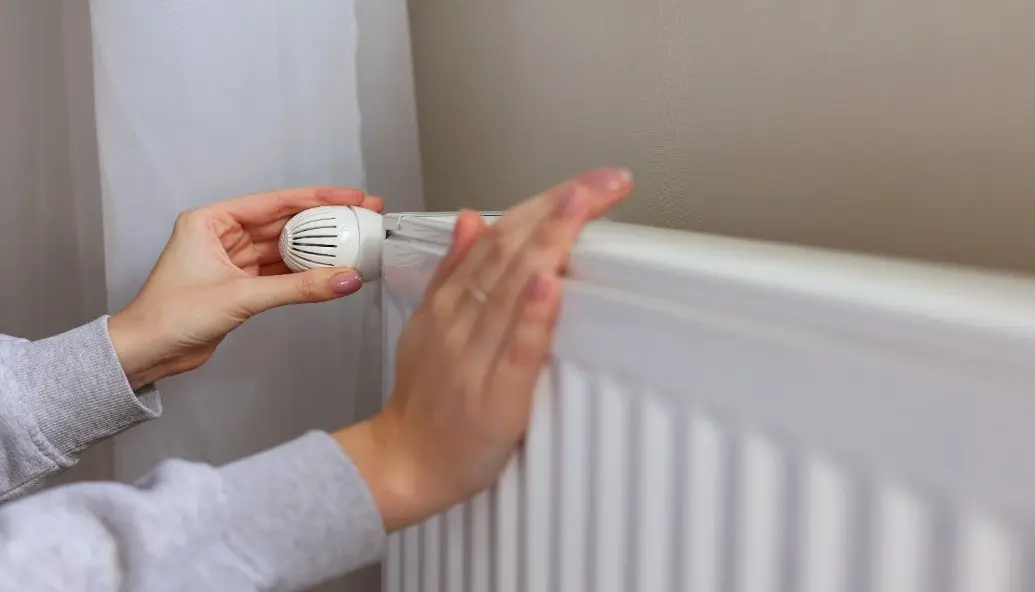
In response to these findings, industry experts and the authors of the study are emphasizing the urgent need for more sophisticated, "smarter" approaches to domestic climate control. The study highlights that the path to reducing energy waste and mitigating the impact of rising bills lies in the granular management of individual rooms. This transition away from "whole-house" heating toward "room-by-room" control is increasingly viewed as a vital strategy for modern energy management. By utilizing smart radiator thermostats, households can decouple the temperature of the living room from that of the guest bedroom, hallway, or kitchen, ensuring that energy is only expended where it is truly needed.
One of the more advanced features highlighted in the report is "geofencing," a technology that uses location-based services to automate a home’s heating schedule. Geofencing allows a heating system to recognize when the last occupant has left the premises, automatically lowering the temperature to an energy-saving level. Conversely, as residents begin their journey home, the system can detect their approach and begin warming the living areas, ensuring comfort upon arrival without the need to keep the heating running all day in an empty house. This level of automation is designed to remove the element of human error—such as forgetting to turn the thermostat down before leaving for work—which can lead to substantial unnecessary costs over the course of a winter.