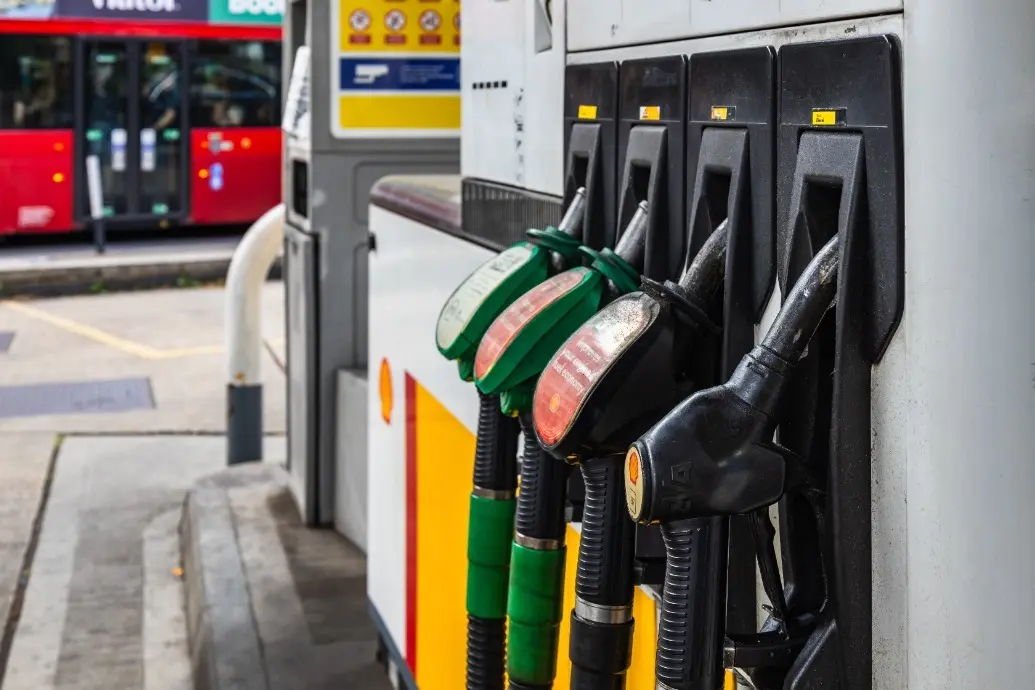
The British transport sector and millions of motorists across the country are facing a historic financial burden this week as diesel prices at the pump have officially climbed to their highest level ever recorded. According to the latest market data, forecourts across the United Kingdom are now charging an average of 199.18p per litre for diesel, a figure that represents a staggering escalation in the cost of living and a significant blow to the nation’s logistics and supply chain infrastructure. This new peak comes at a time of extreme global volatility, highlighting the fragility of domestic fuel markets in the face of international conflict and shifting diplomatic relations in the Middle East.
The current price point of nearly £2 per litre marks a somber milestone for the UK economy, particularly when viewed through a historical lens. To understand the scale of the current price surge, one must look back just over a decade to February 2016. During that period, the UK enjoyed a record low in fuel costs, with diesel selling for an average of 100.19p per litre. In the intervening years, the price has effectively doubled, reflecting a transformative shift in global energy dynamics, refining capacities, and the geopolitical landscape. For many long-term observers of the energy sector, the jump from approximately £1 to nearly £2 per litre serves as a stark illustration of how rapidly the economic environment can deteriorate when global supply chains are disrupted.
The primary driver behind this latest spike is the ongoing instability in the global oil market, which has been severely exacerbated by the outbreak of the US-Iran war. Energy analysts have noted that fuel prices have been a major contributor to rising inflation since March, acting as the first point of impact for consumers as the conflict escalated. Petrol and diesel costs were among the first commodities to react to the initial surge in crude oil prices following the start of hostilities. Because diesel is the lifeblood of the commercial transport sector—powering everything from heavy goods vehicles and delivery vans to agricultural machinery and public transport—the ripple effects of this price increase are being felt far beyond the petrol station forecourt.
Simon Williams, the head of policy at the RAC, has been monitoring the situation closely as prices approached this record-breaking threshold. Speaking to Sky News regarding the current state of the market, Williams emphasized the vulnerability of the UK’s domestic economy to external shocks. He noted that these extraordinarily high prices serve as a persistent reminder of just how exposed the UK remains to events occurring far away from its shores. The interconnected nature of the global energy market means that even localized conflicts in oil-producing regions can have an immediate and devastating impact on the pocketbooks of British drivers and the operational costs of British businesses.