The project represents a significant shift in how urban land is utilized following major infrastructure changes. As the new Royal Liverpool University Hospital took over clinical operations, the question of what to do with the former site became a priority for the NHS University Hospitals of Liverpool Group. The decision to create a high-quality green space reflects a growing understanding of the intersection between environmental health and human well-being. By prioritizing biodiversity and public access, the redevelopment is being positioned as a benchmark for nature recovery within a dense city-centre context.
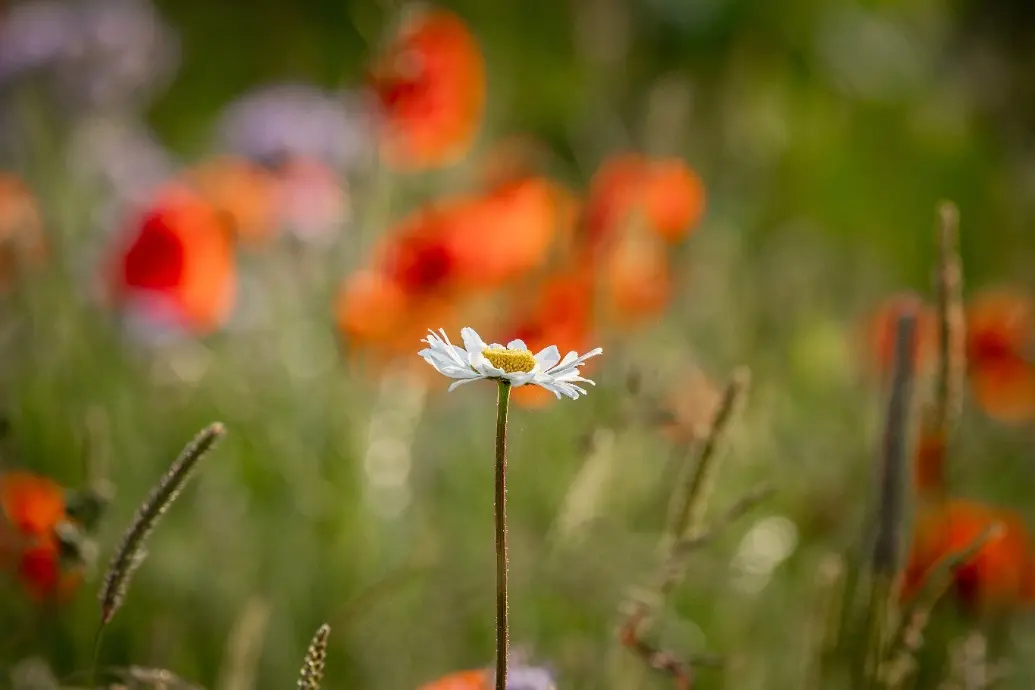
Central to the design of the new park is a commitment to ecological variety and sustainability. The master plan for the site includes the planting of 163 new trees, which will form the backbone of the park’s emerging canopy. These trees are not merely aesthetic additions but are essential components of a wider strategy to mitigate the urban heat island effect, improve air quality, and provide a habitat for local bird populations. Alongside the trees, the park will feature expansive native wildflower meadows. These meadows are specifically curated to support local pollinators, such as bees and butterflies, which often struggle to find food and shelter in heavily developed urban areas.
The design also incorporates dedicated wildlife corridors, which are intended to link the new park with other green patches across the city. By creating these pathways, the project facilitates the movement of various species, ensuring that the park does not become an isolated ecological island but rather a functional part of a broader urban nature network. This connectivity is a vital aspect of modern conservation efforts, particularly in cities where fragmented habitats can lead to a decline in local species diversity.
In addition to its biological features, the park is being engineered with modern environmental challenges in mind. The inclusion of sustainable drainage systems (SuDS) is a critical component of the project. These systems are designed to manage surface water runoff naturally, reducing the pressure on the city’s traditional sewer networks during heavy rainfall. By using the landscape to absorb and filter water, the park will help to mitigate local flooding risks while simultaneously nourishing the soil and supporting the growth of the meadows and trees. This dual-purpose infrastructure demonstrates how nature-based solutions can address technical urban challenges.