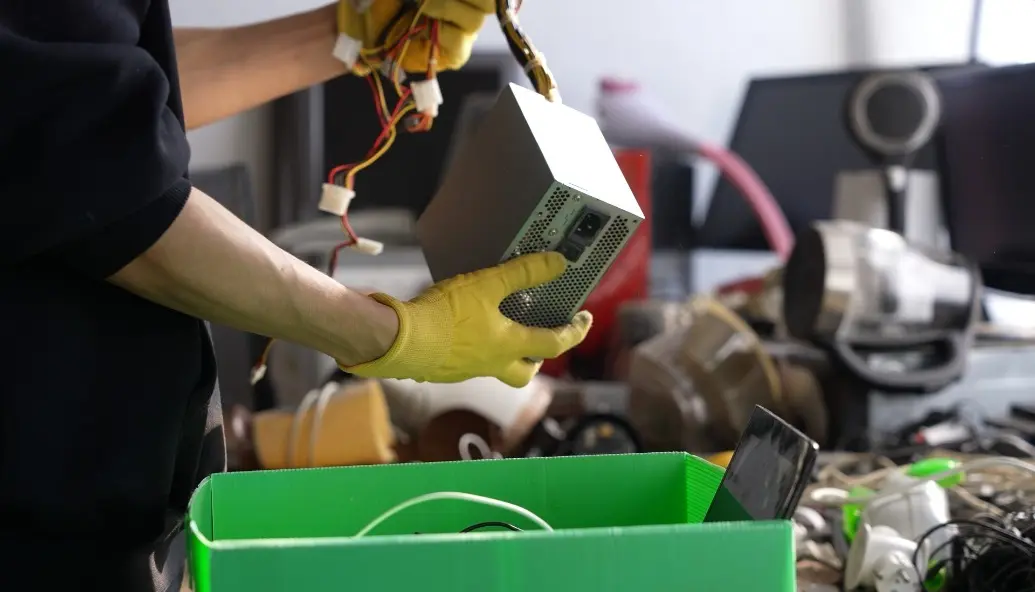
The findings are based on a detailed observation of the lifecycle of electronic goods at different types of handling facilities. Researchers spent time analyzing the intake at municipal recycling centers—the traditional destination for most household "e-waste"—and compared those findings with the outcomes at community-led Repair Cafés. The disparity between the two environments was stark. At the municipal recycling centers, the study found that only a tiny fraction of the devices brought in, between 2% and 2.5%, were considered suitable for immediate reuse. This low figure suggests that by the time a device reaches a standard council-run waste site, it is already categorized by the system as "rubbish," regardless of its actual mechanical or electronic condition.
In sharp contrast, the data gathered from Repair Cafés paints a much more optimistic picture of the potential longevity of modern electronics. Analysis of the items brought to these community hubs showed that a full 50% of devices were successfully repaired on-site and returned to their owners in working order. Furthermore, an additional 28% of the items were deemed potentially repairable, often requiring only a specific spare part or more specialized technical attention than was available at the time. When these figures are combined, it suggests that nearly four out of every five electronic items currently destined for the scrap heap could actually be saved if the right intervention occurred at the right time.
Sheeba Pathak, the lead author of the study, argues that the current mindset regarding electrical products is fundamentally flawed. According to Pathak, too many products are treated as waste before any serious consideration is given to whether they can be repaired, reused, or even carefully stripped for valuable components that could be used to fix other devices. While recycling remains an essential part of the environmental strategy, Pathak notes that it should not automatically be the primary destination for a device that might still have years of useful life left in it. The rush to recycle often bypasses the much more environmentally and economically beneficial stages of the circular economy, which emphasize keeping products in use for as long as possible.
The research also challenges the long-standing assumption that adopting "greener" or more sustainable practices is an inherently more expensive path for businesses and the state. On the contrary, Pathak suggests that by shifting the focus toward repair and reuse, businesses can actually become more efficient. By extending the life of assets and recovering valuable materials without the energy-intensive process of smelting and raw material extraction, organizations can save money while simultaneously improving their sustainability credentials. This finding is particularly relevant in a global economy where the cost of raw materials remains volatile and the supply chains for specialized electronic components are often fragile.
The economic argument for repair is bolstered by the fact that modern electronics are often packed with precious and semi-precious metals, including gold, silver, copper, and palladium. When a device is shredded for recycling, these materials are recovered, but the high energy cost of the manufacturing process that went into creating the original components is lost forever. If a device is repaired, that "embedded energy" is preserved, providing a much higher net benefit to the environment than recycling ever could. The University of Surrey’s research highlights that the UK’s current "disposal-first" model is failing to capture this value, allowing millions of pounds worth of functional technology to slip through the net.