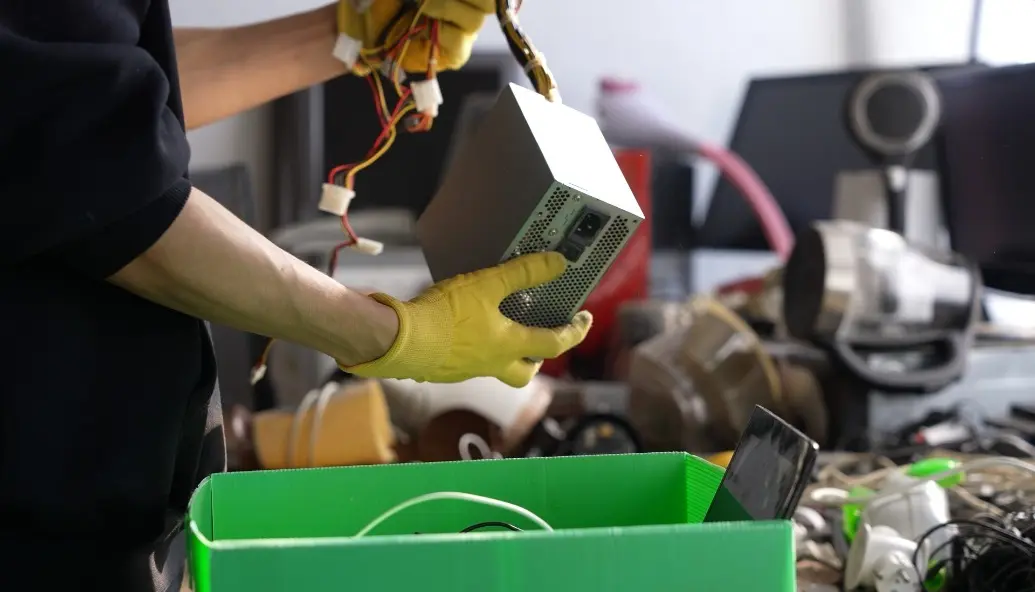
The study’s authors are now calling for a significant structural shift in how the UK manages its electronic waste. They are advocating for community repair services and local "maker spaces" to be formally integrated into the national electronic waste system. Currently, these services often exist on the fringes of the formal waste management infrastructure, often run by volunteers or small non-profit organizations. By making them a formal part of the system, the researchers believe that the UK can stop the flow of repairable goods into the shredder. This would involve creating a more nuanced pipeline for discarded electronics, where items are first screened for repair and reuse potential by skilled technicians before being sent to a recycling plant.
Integrating these community hubs into the formal system would also provide a boost to local economies. Repair Cafés and maker spaces serve as vital centers for skill-sharing and technical education. Formalizing their role could lead to the creation of "green jobs" in the repair sector, fostering a new generation of technicians who are capable of maintaining the complex devices that define modern life. Furthermore, such a move would democratize access to repair, making it easier and more affordable for the average citizen to choose restoration over replacement.
The problem of e-waste is particularly acute in the United Kingdom, which is one of the highest per-capita producers of electronic waste in the world. As consumers upgrade to newer models of smartphones, tablets, and appliances, the volume of discarded technology continues to grow. The current system, which relies heavily on weight-based recycling targets for local authorities and waste contractors, inadvertently incentivizes the collection of heavy scrap over the more delicate and time-consuming work of refurbishment. This "tonnage-based" approach treats a ton of crushed circuit boards with the same level of success as a ton of repaired laptops, despite the latter having a much higher social and environmental value.
The University of Surrey study suggests that the UK’s infrastructure needs to evolve beyond simple collection and destruction. The researchers point out that the 2% reuse rate at municipal sites is not necessarily a reflection of the quality of the goods being dropped off, but rather a reflection of the lack of facilities and expertise available at those sites to test and certify devices for safety and resale. Without a formal mandate to prioritize repair, and without the legal and technical frameworks to support it, waste management staff are often left with no choice but to treat every item as a hazard or a piece of scrap.