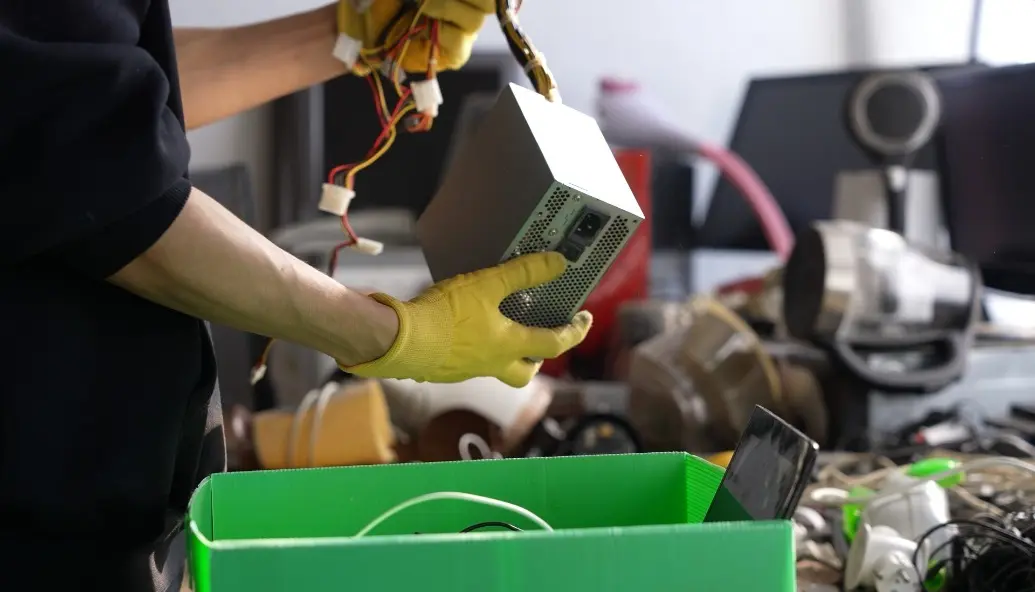
The findings are based on a detailed observation of the lifecycle of electronic goods at different types of handling facilities. Researchers spent time analyzing the intake at municipal recycling centers—the traditional destination for most household "e-waste"—and compared those findings with the outcomes at community-led Repair Cafés. The disparity between the two environments was stark. At the municipal recycling centers, the study found that only a tiny fraction of the devices brought in, between 2% and 2.5%, were considered suitable for immediate reuse. This low figure suggests that by the time a device reaches a standard council-run waste site, it is already categorized by the system as "rubbish," regardless of its actual mechanical or electronic condition.
In sharp contrast, the data gathered from Repair Cafés paints a much more optimistic picture of the potential longevity of modern electronics. Analysis of the items brought to these community hubs showed that a full 50% of devices were successfully repaired on-site and returned to their owners in working order. Furthermore, an additional 28% of the items were deemed potentially repairable, often requiring only a specific spare part or more specialized technical attention than was available at the time. When these figures are combined, it suggests that nearly four out of every five electronic items currently destined for the scrap heap could actually be saved if the right intervention occurred at the right time.
Sheeba Pathak, the lead author of the study, argues that the current mindset regarding electrical products is fundamentally flawed. According to Pathak, too many products are treated as waste before any serious consideration is given to whether they can be repaired, reused, or even carefully stripped for valuable components that could be used to fix other devices. While recycling remains an essential part of the environmental strategy, Pathak notes that it should not automatically be the primary destination for a device that might still have years of useful life left in it. The rush to recycle often bypasses the much more environmentally and economically beneficial stages of the circular economy, which emphasize keeping products in use for as long as possible.
The research also challenges the long-standing assumption that adopting "greener" or more sustainable practices is an inherently more expensive path for businesses and the state. On the contrary, Pathak suggests that by shifting the focus toward repair and reuse, businesses can actually become more efficient. By extending the life of assets and recovering valuable materials without the energy-intensive process of smelting and raw material extraction, organizations can save money while simultaneously improving their sustainability credentials. This finding is particularly relevant in a global economy where the cost of raw materials remains volatile and the supply chains for specialized electronic components are often fragile.
The economic argument for repair is bolstered by the fact that modern electronics are often packed with precious and semi-precious metals, including gold, silver, copper, and palladium. When a device is shredded for recycling, these materials are recovered, but the high energy cost of the manufacturing process that went into creating the original components is lost forever. If a device is repaired, that "embedded energy" is preserved, providing a much higher net benefit to the environment than recycling ever could. The University of Surrey’s research highlights that the UK’s current "disposal-first" model is failing to capture this value, allowing millions of pounds worth of functional technology to slip through the net.
The study’s authors are now calling for a significant structural shift in how the UK manages its electronic waste. They are advocating for community repair services and local "maker spaces" to be formally integrated into the national electronic waste system. Currently, these services often exist on the fringes of the formal waste management infrastructure, often run by volunteers or small non-profit organizations. By making them a formal part of the system, the researchers believe that the UK can stop the flow of repairable goods into the shredder. This would involve creating a more nuanced pipeline for discarded electronics, where items are first screened for repair and reuse potential by skilled technicians before being sent to a recycling plant.
Integrating these community hubs into the formal system would also provide a boost to local economies. Repair Cafés and maker spaces serve as vital centers for skill-sharing and technical education. Formalizing their role could lead to the creation of "green jobs" in the repair sector, fostering a new generation of technicians who are capable of maintaining the complex devices that define modern life. Furthermore, such a move would democratize access to repair, making it easier and more affordable for the average citizen to choose restoration over replacement.
The problem of e-waste is particularly acute in the United Kingdom, which is one of the highest per-capita producers of electronic waste in the world. As consumers upgrade to newer models of smartphones, tablets, and appliances, the volume of discarded technology continues to grow. The current system, which relies heavily on weight-based recycling targets for local authorities and waste contractors, inadvertently incentivizes the collection of heavy scrap over the more delicate and time-consuming work of refurbishment. This "tonnage-based" approach treats a ton of crushed circuit boards with the same level of success as a ton of repaired laptops, despite the latter having a much higher social and environmental value.
The University of Surrey study suggests that the UK’s infrastructure needs to evolve beyond simple collection and destruction. The researchers point out that the 2% reuse rate at municipal sites is not necessarily a reflection of the quality of the goods being dropped off, but rather a reflection of the lack of facilities and expertise available at those sites to test and certify devices for safety and resale. Without a formal mandate to prioritize repair, and without the legal and technical frameworks to support it, waste management staff are often left with no choice but to treat every item as a hazard or a piece of scrap.
Furthermore, the research touches upon the broader concept of "design for repair." While the study focused on the end-of-life handling of devices, the high success rate at Repair Cafés suggests that many consumer products are not as "unfixable" as manufacturers might claim. However, the lack of formal support for these repair activities means that the knowledge and tools required to fix modern electronics remain localized and informal. By bringing these activities into the mainstream, the UK could exert more pressure on manufacturers to design products that are easier to disassemble and repair, further supporting the transition to a circular economy.
The call to action from the Surrey research team is clear: the UK needs to stop viewing its electronic waste as a burden to be managed and start seeing it as a resource to be preserved. The transition from a "disposal-first" to a "repair-first" hierarchy requires not just a change in infrastructure, but a change in the regulatory environment that governs waste. This includes rethinking the financial incentives for waste contractors and providing local councils with the resources to partner with community repair groups.
Ultimately, the study serves as a reminder that sustainability and economic efficiency are not mutually exclusive. By saving devices from the bin, the UK can reduce its reliance on global mining operations, lower its carbon emissions, and keep more money in the pockets of its citizens and businesses. As the volume of electronics in our lives continues to expand, the need for a system that values repair over disposal has never been more urgent. The research by Sheeba Pathak and her team provides a roadmap for a more sensible, sustainable, and profitable way to handle the gadgets that power our modern world, ensuring that "getting minted" from recycling includes the wisdom of not throwing away what can still be used.
The proposed formalization of maker spaces and repair hubs would also address the "digital divide," as refurbished devices could be made available at a lower cost to those who might otherwise be priced out of the technology market. By preventing valuable devices from slipping through the net, the UK has the chance to lead the way in a new model of resource management—one that respects the complexity of the products we create and the environment from which their materials are drawn. The message from the University of Surrey is that the tools for a more sustainable future are already in our hands; we just need to stop throwing them away.