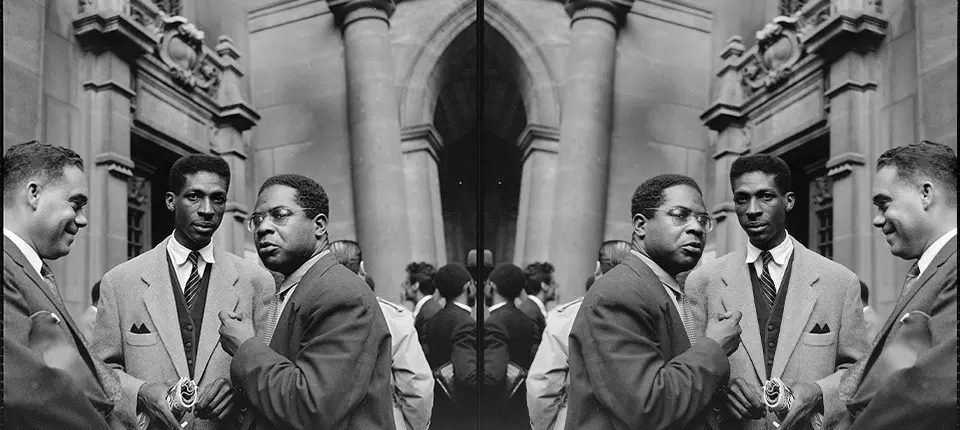
In the middle of September 2026, the literary world finds itself at a unique crossroads, balancing a deep reverence for its intellectual history with a sharp, critical gaze toward the future of the written word. This week marks a significant anniversary in the annals of global literature: the seventy-year commemoration of the First International Congress of Black Writers and Artists. Held in 1956 at the prestigious Sorbonne in Paris, the event remains a cornerstone of post-colonial thought and a testament to the power of organized intellectual resistance.
Organized by the seminal publishing house Présence Africaine, the 1956 Congress was a watershed moment that brought together some of the most influential minds of the 20th century. Figures such as Richard Wright, Léopold Sédar Senghor, Aimé Césaire, and Frantz Fanon gathered to discuss the role of the artist in the struggle for decolonization and the reclamation of cultural identity. The echoes of those conversations—about the intersection of art, politics, and personhood—continue to resonate through the modern literary landscape, providing a framework for current discussions on justice, representation, and the evolution of the craft.
As the literary community reflects on this legacy, the contemporary discourse remains as vibrant and multifaceted as ever. From the practicalities of maintaining physical literary spaces to the philosophical implications of artificial intelligence, the current week in literature offers a comprehensive look at the challenges and triumphs of writers today.
The Architecture of Literary Community
At the heart of the current literary conversation is the physical space where books meet their readers. Amidst the ongoing shifts in retail, there is a renewed call for the establishment of independent bookstores as vital community hubs. For many writers and readers, the bookstore is not merely a place of commerce but a sanctuary for ideas. Those who find their towns lacking such a space are being encouraged to take the initiative themselves. The act of opening a bookstore is increasingly seen as a form of community activism, a sentiment echoed by authors who find that the process of building a literary home often inspires their creative output, bridging the gap between the solitary act of writing and the collective experience of reading.
This sense of community extends into more restrictive environments, where the written word serves as both a lifeline and a mirror. Recent explorations into the lives of those writing from within the prison system highlight the profound impact of literature on real and imagined lives. Whether through memoirs or fiction, the act of writing behind bars remains a critical tool for self-preservation and the interrogation of innocence. However, the carceral literary landscape is not without its shadows. Reports indicate a troubling spread of white supremacist literature within prison systems, serving as a reminder that the power of the book can be wielded to divide as well as to heal.
The role of poetry in these settings is equally significant. Egyptian author Abdelrahman ElGendy recently shared how a poem written in an Egyptian prison provided the structural foundation for his memoir. It serves as a poignant example of how a single piece of writing, born out of confinement, can eventually travel across borders to inform a global narrative on human rights and endurance.