In the academic and professional spheres, the utility of the MFA workshop is being scrutinized. Critics and participants alike are asking who truly benefits from these institutionalized creative spaces and whether they foster genuine growth or merely enforce a homogenized "literary" style. This skepticism is mirrored in the broader cultural fascination with conspiratorial thinking, as writers explore what the American obsession with UFOs reveals about our collective psyche and our distrust of traditional narratives.
The Resilience of the Written Word
The current literary landscape is also defined by its willingness to tackle the most painful aspects of the human experience. From the opioid crisis and the personal loss associated with addiction to the "poetry of breakups and awakenings," writers are refusing to look away from the darker corners of life. There is a burgeoning movement of nonfiction that tackles the American opioid epidemic not just as a policy failure, but as a deeply personal tragedy that requires a narrative reckoning.
At the same time, there is an emphasis on the power of agency. The discussion around the word "no"—specifically as a powerful tool for women in the modern professional and personal world—highlights a shift toward self-reclamation. This theme of agency is also present in the "Great American Road Trip" genre, which is being reclaimed by writers of color who are reimagining a classic American trope through their own unique lenses.
As the week concludes, the literary world remains a place of intense scrutiny and profound beauty. Whether it is through the organization of a bookshelf—as seen in the habits of Madeleine Thien—or the translation of a debut novel like Roberta Recchia’s All That Is Left of Life, the dedication to the craft remains absolute.
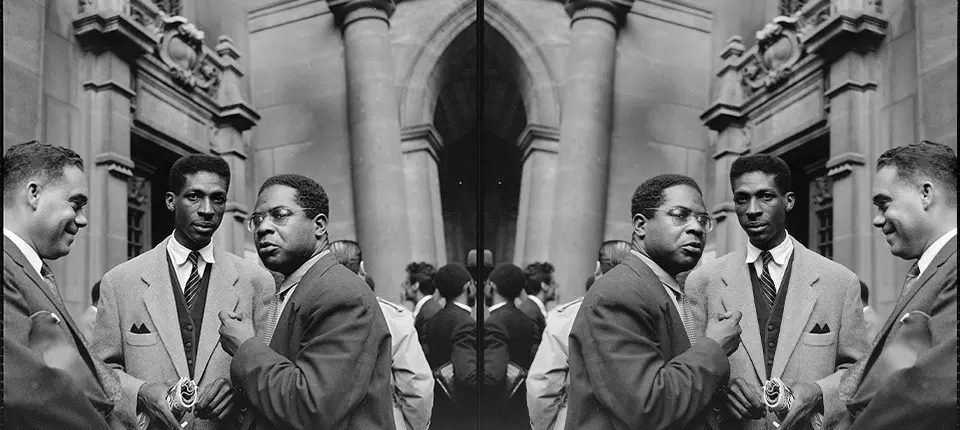
The legacy of the 1956 Sorbonne Congress serves as a reminder that literature is never "just" stories. It is a record of our existence, a tool for our liberation, and a map for our future. As we move through the final months of 2026, the global literary community continues to honor that tradition, proving that even in an age of AI and digital convenience, the human voice—in all its awkward, tragic, and humorous glory—remains irreplaceable.