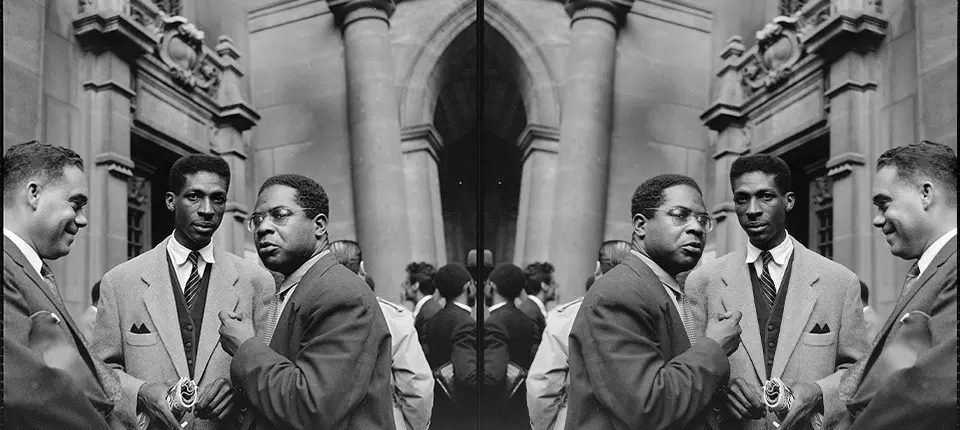
In the middle of September 2026, the literary world finds itself at a unique crossroads, balancing a deep reverence for its intellectual history with a sharp, critical gaze toward the future of the written word. This week marks a significant anniversary in the annals of global literature: the seventy-year commemoration of the First International Congress of Black Writers and Artists. Held in 1956 at the prestigious Sorbonne in Paris, the event remains a cornerstone of post-colonial thought and a testament to the power of organized intellectual resistance.
Organized by the seminal publishing house Présence Africaine, the 1956 Congress was a watershed moment that brought together some of the most influential minds of the 20th century. Figures such as Richard Wright, Léopold Sédar Senghor, Aimé Césaire, and Frantz Fanon gathered to discuss the role of the artist in the struggle for decolonization and the reclamation of cultural identity. The echoes of those conversations—about the intersection of art, politics, and personhood—continue to resonate through the modern literary landscape, providing a framework for current discussions on justice, representation, and the evolution of the craft.
As the literary community reflects on this legacy, the contemporary discourse remains as vibrant and multifaceted as ever. From the practicalities of maintaining physical literary spaces to the philosophical implications of artificial intelligence, the current week in literature offers a comprehensive look at the challenges and triumphs of writers today.
The Architecture of Literary Community
At the heart of the current literary conversation is the physical space where books meet their readers. Amidst the ongoing shifts in retail, there is a renewed call for the establishment of independent bookstores as vital community hubs. For many writers and readers, the bookstore is not merely a place of commerce but a sanctuary for ideas. Those who find their towns lacking such a space are being encouraged to take the initiative themselves. The act of opening a bookstore is increasingly seen as a form of community activism, a sentiment echoed by authors who find that the process of building a literary home often inspires their creative output, bridging the gap between the solitary act of writing and the collective experience of reading.
This sense of community extends into more restrictive environments, where the written word serves as both a lifeline and a mirror. Recent explorations into the lives of those writing from within the prison system highlight the profound impact of literature on real and imagined lives. Whether through memoirs or fiction, the act of writing behind bars remains a critical tool for self-preservation and the interrogation of innocence. However, the carceral literary landscape is not without its shadows. Reports indicate a troubling spread of white supremacist literature within prison systems, serving as a reminder that the power of the book can be wielded to divide as well as to heal.
The role of poetry in these settings is equally significant. Egyptian author Abdelrahman ElGendy recently shared how a poem written in an Egyptian prison provided the structural foundation for his memoir. It serves as a poignant example of how a single piece of writing, born out of confinement, can eventually travel across borders to inform a global narrative on human rights and endurance.
Navigating the Modern Human Condition
As the world moves deeper into the autumn of 2026, writers are grappling with the complexities of the modern era, from the "convenience" of modern life to the looming presence of artificial intelligence. The tension between human creativity and technological automation has become a focal point of literary debate. While AI continues to advance, many are revisiting the "art of human coding," treating the creation of software as a craft akin to literature—one that requires a human soul to truly resonate. This debate is further complicated by the "detrimental nature of convenience," with authors questioning whether the tools designed to make writing easier are, in fact, eroding the grit and friction necessary for profound artistic discovery.
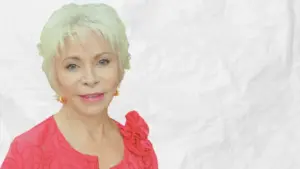
In the realm of fiction, major voices continue to push the boundaries of narrative structure. Emily St. John Mandel, known for her mastery of speculative and dystopian themes, has turned her attention to "dystopian counterlives," exploring the "what ifs" of existence in a world that feels increasingly precarious. Similarly, Isabel Allende has shared the intimate origins of her creative process, revealing how a personal letter to her grandfather evolved into a full-scale novel, demonstrating the fluid boundary between personal history and public fiction.
The nuances of identity also remain a central theme. From the experiences of Korean adoptees navigating their pasts in the United States to the complex emotions associated with "falling out of love" with modern Russia, writers are using the essay and the novel to parse through the layers of belonging. These stories often intersect with broader cultural critiques, such as the examination of Orientalism and the "imperial gaze" in Western horror films, or the ways in which romance novels are filling the gaps left by insufficient sexual education.
A Seasonal Shift: Previews and Perspectives
With the changing of the seasons comes a surge of new material across all mediums. The fall of 2026 promises a robust lineup of mysteries, thrillers, and crime novels, alongside a wave of literary adaptations for film and television. As streaming platforms continue to seek out prestige literary IP, the relationship between the page and the screen has never been more symbiotic.
Yet, even as we look forward to new releases, the industry continues to look back at the figures who paved the way. This week, the community remembers Anna May Wong, Hollywood’s first Asian American star, whose legacy in both film and cultural representation remains a point of study and inspiration. Similarly, the Sundance origin story of Robert Redford is being revisited, highlighting his dual legacy as a movie star and a committed conservationist.
In the academic and professional spheres, the utility of the MFA workshop is being scrutinized. Critics and participants alike are asking who truly benefits from these institutionalized creative spaces and whether they foster genuine growth or merely enforce a homogenized "literary" style. This skepticism is mirrored in the broader cultural fascination with conspiratorial thinking, as writers explore what the American obsession with UFOs reveals about our collective psyche and our distrust of traditional narratives.
The Resilience of the Written Word
The current literary landscape is also defined by its willingness to tackle the most painful aspects of the human experience. From the opioid crisis and the personal loss associated with addiction to the "poetry of breakups and awakenings," writers are refusing to look away from the darker corners of life. There is a burgeoning movement of nonfiction that tackles the American opioid epidemic not just as a policy failure, but as a deeply personal tragedy that requires a narrative reckoning.
At the same time, there is an emphasis on the power of agency. The discussion around the word "no"—specifically as a powerful tool for women in the modern professional and personal world—highlights a shift toward self-reclamation. This theme of agency is also present in the "Great American Road Trip" genre, which is being reclaimed by writers of color who are reimagining a classic American trope through their own unique lenses.
As the week concludes, the literary world remains a place of intense scrutiny and profound beauty. Whether it is through the organization of a bookshelf—as seen in the habits of Madeleine Thien—or the translation of a debut novel like Roberta Recchia’s All That Is Left of Life, the dedication to the craft remains absolute.
The legacy of the 1956 Sorbonne Congress serves as a reminder that literature is never "just" stories. It is a record of our existence, a tool for our liberation, and a map for our future. As we move through the final months of 2026, the global literary community continues to honor that tradition, proving that even in an age of AI and digital convenience, the human voice—in all its awkward, tragic, and humorous glory—remains irreplaceable.