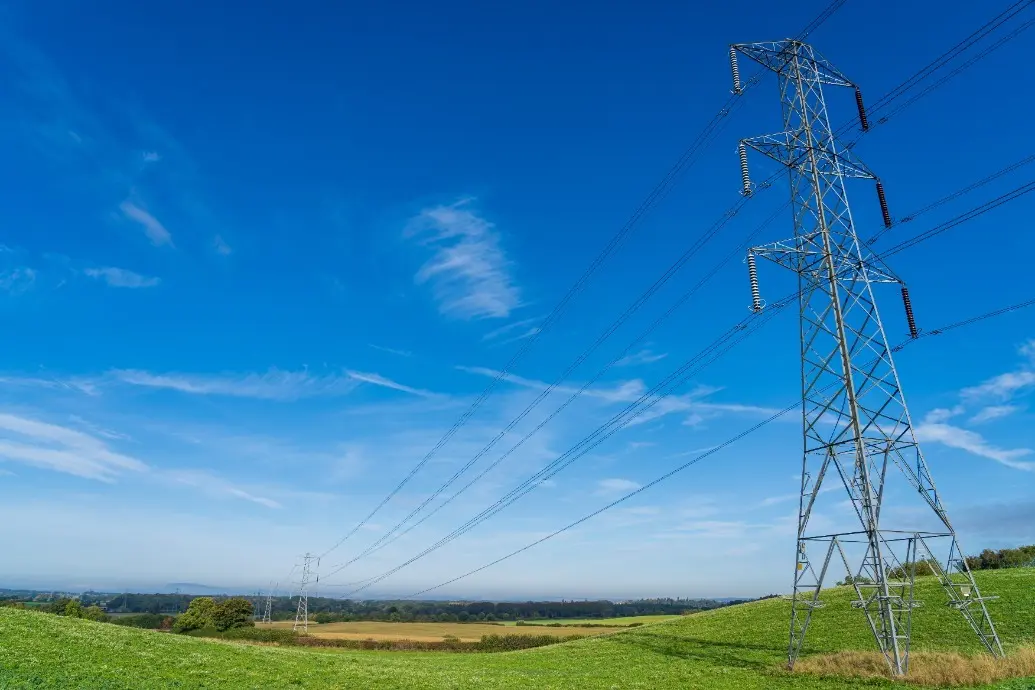
The establishment of Great British Grid is intended to act as a direct challenge to the private sector, which has long been criticized for slow infrastructure deployment and high consumer costs. By bringing the electricity network back under public control, the Burnham administration hopes to bypass the bureaucratic and profit-driven hurdles that have historically delayed the integration of new power sources into the national system. The Prime Minister’s vision centers on a more agile, state-led approach to energy transmission, ensuring that the transition to a low-carbon economy is not stalled by the limitations of current grid capacity.
Reaction to the announcement has been starkly divided, reflecting the complex interests of environmental advocates, financial analysts, and the wider energy industry. For many on the environmental and social justice front, the news is a long-awaited victory for public service over corporate profit. Rosie Downes, the head of campaigns at Friends of the Earth, welcomed the initiative as a necessary intervention to protect consumers and the climate alike. She argued that greater public control and ownership of energy is the essential mechanism through which the government can end the scourge of ordinary people being ripped off by energy companies, many of whom continue to pollute the planet while generating significant returns for shareholders.
Downes further emphasized that the creation of GB Grid should not be viewed as an isolated policy, but rather as the foundational step toward a more comprehensive overhaul of the British energy system. In her view, the move signals a transition toward a greener, fairer future where the primary objective is to provide clean energy for the public good rather than prioritizing the profit margins of private utility firms. This sentiment resonates with a growing public appetite for structural reform in the wake of volatile global energy markets and the ongoing pressure to meet net-zero targets.
However, the structural integration of GB Grid under the umbrella of GB Energy has raised serious questions among energy analysts regarding the allocation of taxpayer funds and the long-term viability of other green initiatives. Because the new network body will be funded through the same financial pool as its parent organization, experts are closely scrutinizing how this will impact the government’s ability to support diverse energy projects. Fintan Devenney, a Senior Energy Analyst at Montel, expressed significant concern about the potential "crowding out" of investment for renewable energy generation.