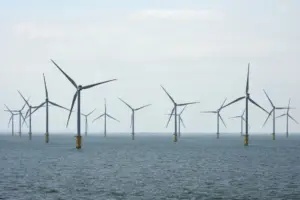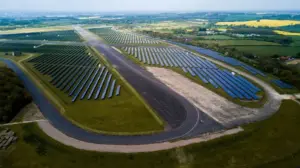
According to Devenney, the original financial roadmap for GB Energy was already under pressure before this latest announcement. He noted that while £8.3 billion was initially allocated to the organization over the course of the current parliamentary term, that figure was subsequently revised downward to £5.8 billion following the decision to bring GBE Nuclear into the fold. With the creation of GB Grid, a substantial portion of that remaining capital is likely to be diverted toward the high costs of building and maintaining physical network infrastructure. Devenney warned that this new body will soak up a good portion of the remaining pot, which inevitably means there will be less money available for the direct development of renewable projects through GB Energy. This trade-off presents a difficult balancing act for the government: while a better grid is necessary to carry renewable power, the funds used to build that grid may come at the expense of the wind and solar farms themselves.
Beyond the financial mechanics, the timeline for the delivery of these benefits has become a focal point of criticism, particularly from the business community. Prime Minister Burnham has been transparent about the fact that the most significant impacts of GB Grid will not be immediate. He has stated that the benefits and wider effects of the new network will be felt within the next decade, acknowledging the inherent complexity and time-intensive nature of large-scale infrastructure projects. While this long-term perspective is common in national planning, it offers little comfort to enterprises currently struggling with the immediate realities of the British energy market.
Amy Wilson, the Chief Marketing Officer at the energy technology company Wattsor, argued that the ten-year horizon is simply too distant for businesses that are currently operating on the brink. She pointed out that many organizations are facing a double crisis of high energy costs and severe grid constraints that prevent them from expanding or electrifying their operations today. Wilson noted that while new network infrastructure is a welcome prospect, it will take years to deliver, and in the meantime, businesses need clarity and solutions much sooner. Without immediate interventions or a faster deployment schedule, she suggested that many organizations will struggle to make the critical decisions about investment and growth that are necessary for the UK’s economic health.
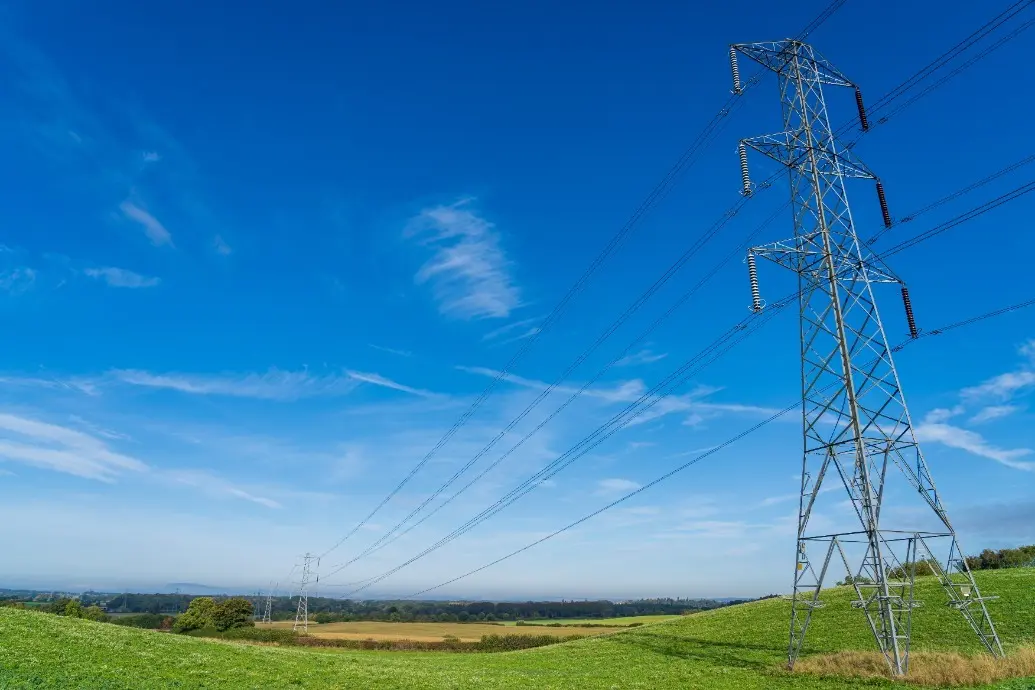
The challenge of "grid lock"—where new renewable energy projects and industrial sites must wait years, or even a decade, to be connected to the national network—has been a persistent thorn in the side of the UK’s green ambitions. By creating GB Grid, the government is betting that a state-owned entity can prioritize these connections based on national strategic importance rather than short-term financial returns. This is intended to bring the UK’s infrastructure pace in line with European nations where state involvement in energy transmission is more common and often results in faster project turnarounds and lower transmission charges for end-users.