Navigating the Modern Human Condition
As the world moves deeper into the autumn of 2026, writers are grappling with the complexities of the modern era, from the "convenience" of modern life to the looming presence of artificial intelligence. The tension between human creativity and technological automation has become a focal point of literary debate. While AI continues to advance, many are revisiting the "art of human coding," treating the creation of software as a craft akin to literature—one that requires a human soul to truly resonate. This debate is further complicated by the "detrimental nature of convenience," with authors questioning whether the tools designed to make writing easier are, in fact, eroding the grit and friction necessary for profound artistic discovery.
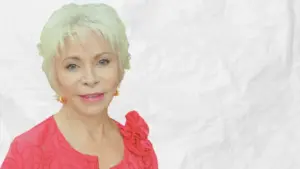
In the realm of fiction, major voices continue to push the boundaries of narrative structure. Emily St. John Mandel, known for her mastery of speculative and dystopian themes, has turned her attention to "dystopian counterlives," exploring the "what ifs" of existence in a world that feels increasingly precarious. Similarly, Isabel Allende has shared the intimate origins of her creative process, revealing how a personal letter to her grandfather evolved into a full-scale novel, demonstrating the fluid boundary between personal history and public fiction.
The nuances of identity also remain a central theme. From the experiences of Korean adoptees navigating their pasts in the United States to the complex emotions associated with "falling out of love" with modern Russia, writers are using the essay and the novel to parse through the layers of belonging. These stories often intersect with broader cultural critiques, such as the examination of Orientalism and the "imperial gaze" in Western horror films, or the ways in which romance novels are filling the gaps left by insufficient sexual education.
A Seasonal Shift: Previews and Perspectives
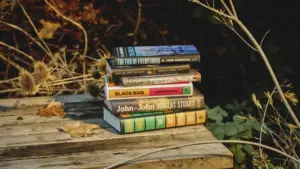
With the changing of the seasons comes a surge of new material across all mediums. The fall of 2026 promises a robust lineup of mysteries, thrillers, and crime novels, alongside a wave of literary adaptations for film and television. As streaming platforms continue to seek out prestige literary IP, the relationship between the page and the screen has never been more symbiotic.
Yet, even as we look forward to new releases, the industry continues to look back at the figures who paved the way. This week, the community remembers Anna May Wong, Hollywood’s first Asian American star, whose legacy in both film and cultural representation remains a point of study and inspiration. Similarly, the Sundance origin story of Robert Redford is being revisited, highlighting his dual legacy as a movie star and a committed conservationist.