London is currently gripped by a historical fervor that doctors and historians alike are playfully calling "Bayeux Fever." The cause of this cultural contagion is the arrival of the Bayeux Tapestry at the British Museum, an event that has instantly become the most coveted ticket in the United Kingdom. For the first time in generations, this nearly millennium-old masterpiece of textile art has crossed the English Channel, drawing massive crowds eager to catch a glimpse of the fabric that chronicles the foundational trauma and triumph of the English nation.

The exhibition is the culmination of years of delicate diplomatic negotiations between the United Kingdom and France. Historically, the tapestry has been housed in a dedicated museum in Bayeux, Normandy, rarely leaving its home. Its journey to London represents a significant moment in Anglo-French relations and a rare opportunity for the British public to view an artifact that is as much a part of their own national identity as it is a treasure of France. The demand has been so overwhelming that the British Museum has been forced to overhaul its crowd-management strategies, implementing new systems to handle the sprawling lines that snake around the Great Court and out onto the streets of Bloomsbury.
To understand the magnitude of the "Bayeux Fever," one must first understand the object itself. Despite its name, the Bayeux Tapestry is not technically a tapestry at all. In a strict textile sense, a tapestry is woven on a loom, with the design integrated into the fabric itself. The Bayeux masterpiece is actually an embroidery—a monumental work of wool yarn stitched onto linen cloth. It is an immense undertaking, standing nearly two feet high and stretching roughly 230 feet in length, a dimension often compared to the length of a Boeing 747.
The work serves as a visual narrative of the events leading up to the Norman Conquest of England in 1066. It depicts the complex political maneuvering, the crossing of the Channel, and the climactic Battle of Hastings, where William the Conqueror defeated Harold II, the final Anglo-Saxon King of England. While the piece was commissioned by Bishop Odo of Bayeux, William’s half-brother, to celebrate the Norman victory, historical consensus suggests it was likely crafted by English needlewomen—likely nuns—working in the very land their patrons had just conquered. This irony adds a layer of poignant subtext to the work, as the defeated were tasked with immortalizing their own displacement.
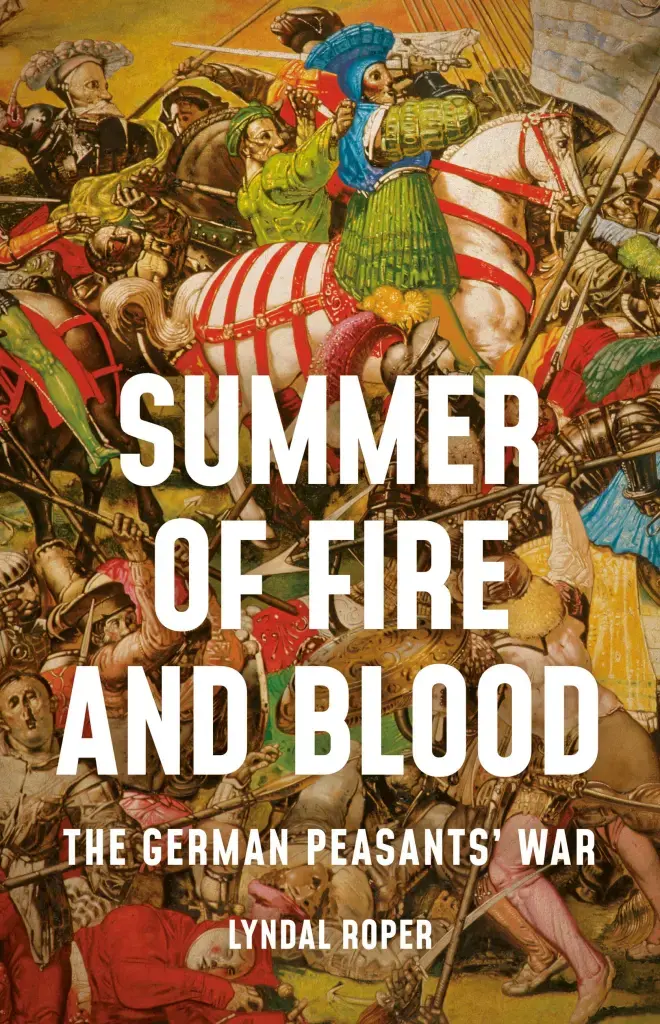
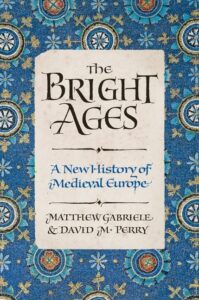
For those standing in the long queues at the British Museum, or for those unable to make the pilgrimage to London, the tapestry often sparks a deeper curiosity about the Middle Ages—a period frequently misunderstood and oversimplified. To satisfy this "Bayeux Fever," a curated selection of literature offers a way to explore the themes of conquest, memory, and medieval life that the tapestry only hints at in its margins.