As the autumn of 2026 deepens, the global literary community finds itself at a unique crossroads where the ghosts of the past meet the anxieties of the future. This week’s dispatch from the literary internet, covering the period of October 5 through October 9, reflects a world grappling with the rapid advancement of artificial intelligence, the shifting definitions of identity, and the persistent, often violent, intersections of politics and art. From the 156th anniversary of a Nobel laureate’s birth to the harrowing destruction of libraries in modern war zones, the current discourse highlights a fundamental truth: while the tools of storytelling may change, the human impulse to document, dissent, and dream remains irrepressible.
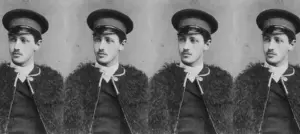
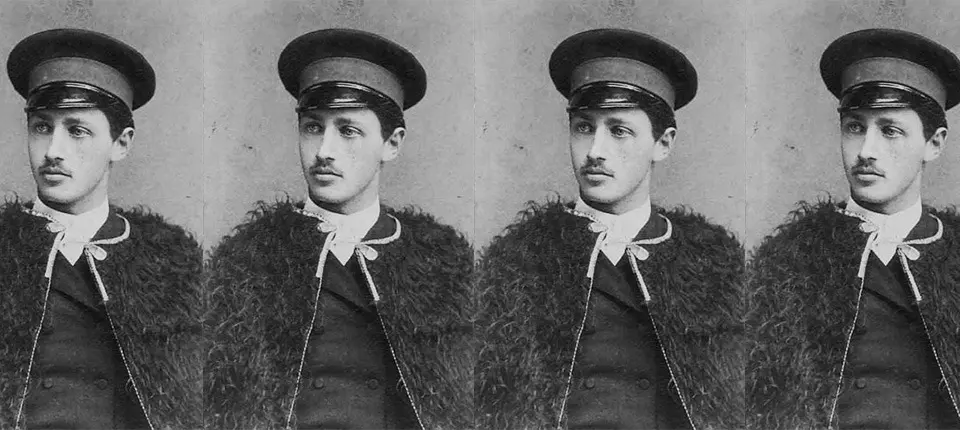
The week began with a significant historical milestone, marking the birth of Ivan Bunin in 1870. As the first Russian writer to receive the Nobel Prize in Literature, Bunin’s legacy of meticulous craftsmanship and his ability to capture the vanishing world of the Russian landed gentry serves as a reminder of the longevity of the written word. His work, often characterized by its sensory richness and atmospheric depth, provides a sharp contrast to the contemporary debates surrounding the automation of creativity.
In a climate increasingly dominated by generative technologies, the question of what constitutes "the soul" of a work has moved from the realm of philosophy to the forefront of industry concern. Recent discussions have emphasized that in the age of AI, the writer’s soul remains the only element that cannot be replicated. While algorithms can mimic style, structure, and even emotional cadence, they lack the lived experience and the "building-bound" essence of human consciousness. This sentiment suggests that the future of literature may depend less on technical proficiency and more on the raw, unvarnished honesty that only a sentient creator can provide.
The Evolution of Identity and the Power of Memory
The literary landscape continues to serve as a vital space for the negotiation of identity. This week, significant attention was paid to the shifting language of Latinx identity and the ever-growing canon of Latinx literature. As terminology evolves to reflect a more nuanced understanding of heritage and gender, writers are finding new ways to articulate the complexities of being and belonging. This exploration of identity is echoed in the work of Kristen Millares Young, who recently examined the transformative experiences of motherhood and marriage, framing the transition into these roles as a form of "becoming a goddess"—a process of shedding old selves to inhabit a more powerful, if demanding, new reality.
The struggle for recognition and the failure of language were also central themes in discussions of trans poetics. As writers navigate the "great grey area" between queer recognition and estrangement, the limitations of traditional vocabulary often become apparent. This "failure" of language, however, is frequently where the most innovative poetry is born, as writers push against the boundaries of what can be said to express the truth of their experiences. Similarly, the Anishinaabe experience was highlighted through the lens of a poet navigating a world dominated by fiction writers. This perspective underscores the challenges of storytelling across genres and the importance of maintaining indigenous poetic traditions in a commercialized market.
The preservation of literary legacies also took center stage, particularly regarding the influence of feminist activist Robin Morgan on the enduring memory of Sylvia Plath. Morgan’s efforts to protect Plath’s work from being reduced to mere biography or pathological study have been instrumental in allowing readers to engage with the actual craft of Plath’s poetry. New analyses of Plath’s work continue to emerge, focusing on the cyclical nature of life and death that beats at the heart of her writing, proving that her voice remains as resonant and challenging today as it was decades ago.