As the autumn of 2026 deepens, the global literary community finds itself at a unique crossroads where the ghosts of the past meet the anxieties of the future. This week’s dispatch from the literary internet, covering the period of October 5 through October 9, reflects a world grappling with the rapid advancement of artificial intelligence, the shifting definitions of identity, and the persistent, often violent, intersections of politics and art. From the 156th anniversary of a Nobel laureate’s birth to the harrowing destruction of libraries in modern war zones, the current discourse highlights a fundamental truth: while the tools of storytelling may change, the human impulse to document, dissent, and dream remains irrepressible.
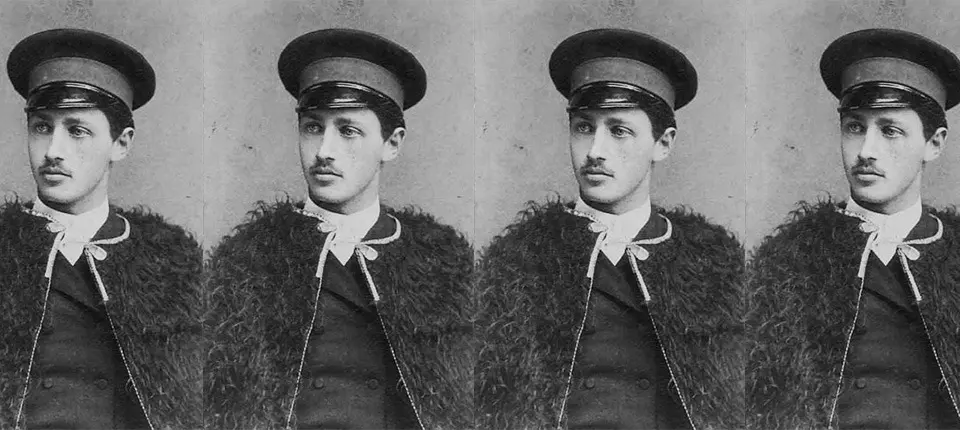
The week began with a significant historical milestone, marking the birth of Ivan Bunin in 1870. As the first Russian writer to receive the Nobel Prize in Literature, Bunin’s legacy of meticulous craftsmanship and his ability to capture the vanishing world of the Russian landed gentry serves as a reminder of the longevity of the written word. His work, often characterized by its sensory richness and atmospheric depth, provides a sharp contrast to the contemporary debates surrounding the automation of creativity.
In a climate increasingly dominated by generative technologies, the question of what constitutes "the soul" of a work has moved from the realm of philosophy to the forefront of industry concern. Recent discussions have emphasized that in the age of AI, the writer’s soul remains the only element that cannot be replicated. While algorithms can mimic style, structure, and even emotional cadence, they lack the lived experience and the "building-bound" essence of human consciousness. This sentiment suggests that the future of literature may depend less on technical proficiency and more on the raw, unvarnished honesty that only a sentient creator can provide.
The Evolution of Identity and the Power of Memory
The literary landscape continues to serve as a vital space for the negotiation of identity. This week, significant attention was paid to the shifting language of Latinx identity and the ever-growing canon of Latinx literature. As terminology evolves to reflect a more nuanced understanding of heritage and gender, writers are finding new ways to articulate the complexities of being and belonging. This exploration of identity is echoed in the work of Kristen Millares Young, who recently examined the transformative experiences of motherhood and marriage, framing the transition into these roles as a form of "becoming a goddess"—a process of shedding old selves to inhabit a more powerful, if demanding, new reality.
The struggle for recognition and the failure of language were also central themes in discussions of trans poetics. As writers navigate the "great grey area" between queer recognition and estrangement, the limitations of traditional vocabulary often become apparent. This "failure" of language, however, is frequently where the most innovative poetry is born, as writers push against the boundaries of what can be said to express the truth of their experiences. Similarly, the Anishinaabe experience was highlighted through the lens of a poet navigating a world dominated by fiction writers. This perspective underscores the challenges of storytelling across genres and the importance of maintaining indigenous poetic traditions in a commercialized market.
The preservation of literary legacies also took center stage, particularly regarding the influence of feminist activist Robin Morgan on the enduring memory of Sylvia Plath. Morgan’s efforts to protect Plath’s work from being reduced to mere biography or pathological study have been instrumental in allowing readers to engage with the actual craft of Plath’s poetry. New analyses of Plath’s work continue to emerge, focusing on the cyclical nature of life and death that beats at the heart of her writing, proving that her voice remains as resonant and challenging today as it was decades ago.
The Physicality of the Writing Life
While much of the literary conversation focuses on the abstract, the physical reality of the writing life remains a point of fascination. Barbara Kingsolver, one of the most celebrated novelists of her generation, recently shared an intimate detail of her process: she writes standing up. This physical stance reflects a broader need for movement and engagement with the world, a rejection of the sedentary "writerly" stereotype. For Kingsolver, the act of standing is perhaps a metaphor for the alertness required to tackle the complex social and environmental themes that define her work.
The physical and the psychological intersected in a particularly striking way for Nafissa Thompson-Spires, who discussed how being electrocuted by a lightning strike fundamentally altered her sense of self and, consequently, the identities of her main characters. Such a literal "shock to the system" serves as a reminder of how the random traumas of life can reshape the creative imagination.
On the more technical side of the craft, Adam Wilson provided notes on the distinction between plot and concept. In a characteristically wry observation, Wilson noted that while he is deeply invested in the mechanics of storytelling, there are certain things he will simply never do—such as writing a protagonist who is a Yankees fan. This blend of technical advice and personal idiosyncrasy highlights the deeply individual nature of fiction writing. Lydia Millet also contributed to the craft conversation, speaking with Jane Ciabattari about the challenges of writing a "double novel" focused on the heavy themes of grief and loss, and how structural experimentation can provide a container for emotions that might otherwise be overwhelming.
Literature as a Mirror to Political Convulsion
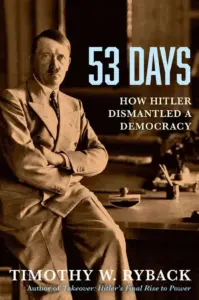
The intersection of literature and politics has rarely felt more urgent. This week, observers looked to the political convulsions in Brazil to understand the global rise of the far-right. The parallels drawn between international movements suggest that the rhetoric of authoritarianism is a shared language that transcends borders. This theme was brought closer to home with a sobering analysis of the parallels between Adolf Hitler’s electoral victory on March 5, 1933, and the atmosphere surrounding the 2026 American midterms. The historical comparison serves as a stark warning about the fragility of democracy and the role of the electorate in its preservation or destruction.
The machinery of the state was also examined through the lens of America’s deportation system, which some commentators have characterized as an "undocumented war." By framing the machinery of violence inherent in mass deportations as a form of combat, writers are challenging the public to see the human cost of policy in a more visceral light. This sense of global crisis is further amplified by the ongoing war in Ukraine, where the destruction of books by Russian bombs is not seen as collateral damage, but as a deliberate attempt to erase a culture. Oleksandr Mykhed’s reflections on losing Ukrainian libraries to the flames of war provide a heartbreaking testament to the vulnerability of the written record.
In the face of such darkness, the role of activism remains a beacon of hope, though a tempered one. Climate activist Bill McKibben reminded the community that the struggle for the Earth is a "long, slow process." His insights suggest that while the pace of change can be frustrating, the persistence of activism is the only defense against environmental collapse.
Culture, Community, and the Editor’s Hand
Despite the weight of global events, the literary world continues to celebrate the beauty of the specific and the personal. Patricia Lockwood offered a moment of levity and lyricism with her poem "Sensual Songs for Eight-Year-Olds," while Paul Theroux provided a surprisingly intimate look at the city of Toronto through the eyes of Margaret Atwood. These pieces remind readers that literature is as much about the local and the idiosyncratic as it is about the universal.
The social fabric of the industry was also on display in reports from the Frankfurt Book Fair, specifically the Rowohlt translation prize dinner, described by some as the best dinner of the fair. These gatherings are more than just social events; they are the spaces where the relationships that sustain the publishing world are forged. This is further explored in the history of the decades-long friendship between Hannah Arendt and Mary McCarthy, a bond that survived intellectual disagreements and political upheaval.
The week also highlighted the often-overlooked role of the editor in shaping the relationship between the reader and the writer. It is on the page, through the careful mediation of an editor, that a writer’s private thoughts are transformed into a public conversation. This relationship was exemplified by the partnership between Jean Echenoz and his publisher, Jérôme Lindon, a duo whose collaboration defined a specific era of French letters.
Finally, the week’s news touched on the power of literature to provide comfort in times of crisis. From the story of an army librarian who brought the joy of reading to the front lines of World War II to the way research and writing can help individuals cope with the "terrible loss" of grief, the enduring value of the book remains clear. Whether it is through the "confident complexity" of a performance by Whitney Houston or the high stakes of a Deesha Philyaw story, the arts continue to provide the framework through which we understand our world and ourselves.
As the independent press bestseller lists for fiction and nonfiction show a continued hunger for diverse voices and challenging ideas, the literary internet remains a vital, if chaotic, map of the human condition in 2026. From the afterword of Alice Elliott Dark’s "In the Gloaming" to the iconic women spies of the comics world, the stories we tell define the boundaries of our reality. Through war, technological upheaval, and personal loss, the "writer’s soul" continues to find a way to make itself heard.