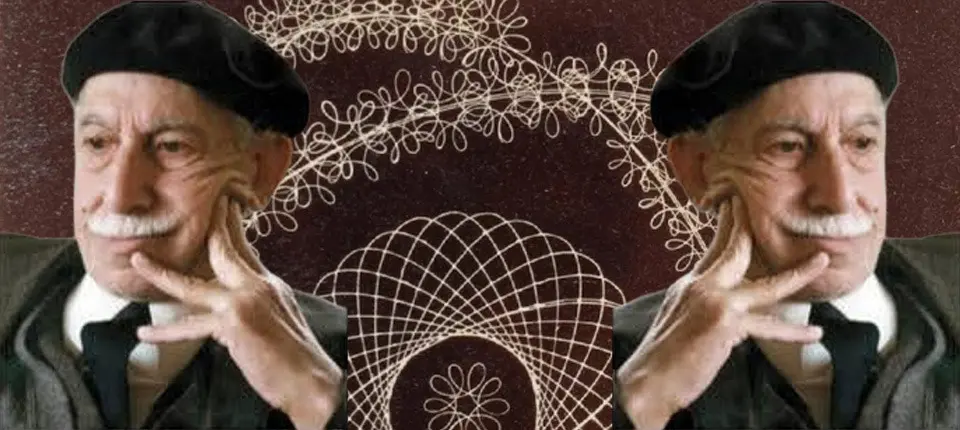
On this day in 1898, the literary world witnessed the birth of a figure who would eventually become one of the most influential and transformative voices in modern Arabic literature. Tawfiq al-Hakim, born in Alexandria, Egypt, remains a cornerstone of the global literary canon, particularly celebrated for his role in pioneering the modern Arabic drama and novel. As the literary community reflects on his contributions today, October 9, his legacy continues to resonate through the digital landscape, where his works and philosophical inquiries remain subjects of intense study and admiration.
The significance of al-Hakim’s birth is not merely a matter of historical record; it marks the beginning of an era where Arabic literature began to engage deeply with both its own classical heritage and the burgeoning modernist movements of the West. Throughout a career that spanned several decades, al-Hakim bridged the gap between traditional storytelling and the complexities of the 20th-century stage, earning him a place among the giants of world literature.
THE BEST OF THE LITERARY INTERNET
In the contemporary digital age, the "literary internet" serves as a vital repository for the preservation and discussion of such monumental figures. Platforms like Lit Hub Daily and various academic archives play a crucial role in bringing the works of Tawfiq al-Hakim to new generations of readers. By highlighting his birthday, these digital curators remind the public of the enduring power of the written word and the specific cultural shifts that al-Hakim facilitated during his lifetime.
The discussion surrounding al-Hakim today often centers on his versatility. He was not only a playwright but also a novelist, an essayist, and a philosopher. His ability to navigate different genres allowed him to explore the Egyptian identity from multiple angles, addressing the social, political, and spiritual tensions of a nation in transition. On the literary internet, these themes are frequently revisited, as modern readers find striking parallels between the existential dilemmas in al-Hakim’s plays and the complexities of the 21st century.
The Formative Years and the Influence of Paris
Tawfiq al-Hakim’s journey toward becoming a literary icon began in a household that valued education and civil service. His father was a judge, and following the family’s expectations, al-Hakim initially pursued a career in law. After graduating from the Cairo School of Law in 1925, he traveled to Paris to complete his doctoral studies. However, it was in the vibrant cultural atmosphere of Paris that his true calling emerged.
Rather than immersing himself in legal texts, al-Hakim found himself captivated by the European theater. He spent his years in France attending performances, reading the works of great Western dramatists, and absorbing the techniques of the avant-garde. This period was instrumental in shaping his artistic vision. He became fascinated by the works of Henrik Ibsen, Bernard Shaw, and Maurice Maeterlinck, whose influence would later be seen in his efforts to create a "serious" Arabic theater—one that moved beyond the popular farces and musicals of the time to tackle profound intellectual and philosophical themes.