In a significant advancement for hepatology and metabolic research, a multicenter study led by Cedars-Sinai Health Sciences University has identified a specific enzyme that appears to serve as a critical guardian for the liver. The research, published recently in the prestigious journal Nature Metabolism, highlights the role of an enzyme called UBE2N in mitigating the progression of liver disease from common fat accumulation to life-threatening inflammation and permanent scarring.
The discovery comes at a pivotal time for public health. As obesity and metabolic syndrome rates continue to climb globally, the prevalence of liver conditions associated with these factors has reached epidemic proportions. By pinpointing the cellular mechanisms that prevent the liver from deteriorating under metabolic stress, the researchers have opened a new door for potential therapeutic interventions that could stave off liver failure in millions of patients.
The Rising Challenge of MASLD and MASH
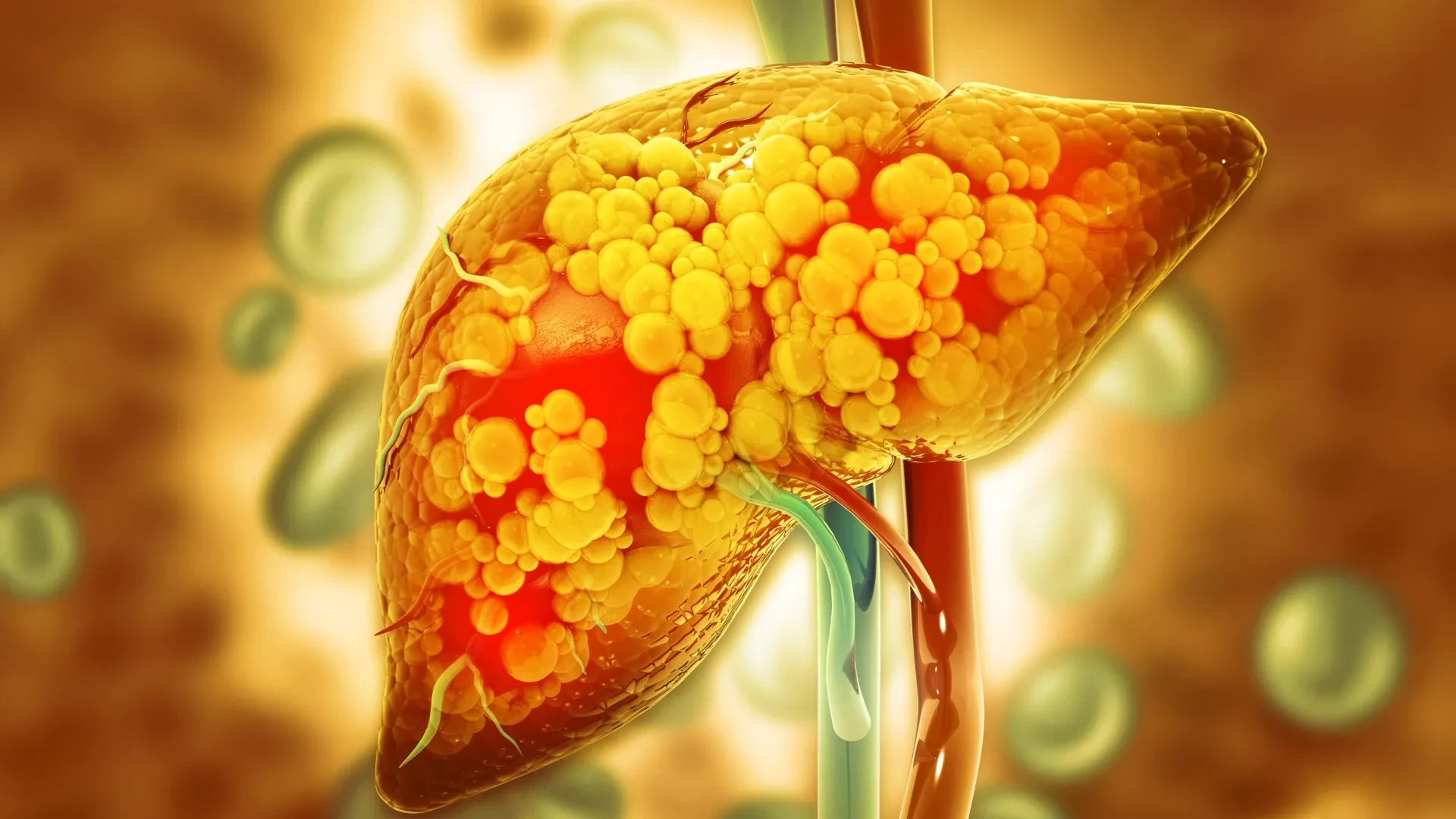
According to the American Liver Foundation, an estimated 100 million people in the United States currently live with metabolic dysfunction-associated steatotic liver disease (MASLD). This condition, which was formerly known as nonalcoholic fatty liver disease (NAFLD), is characterized by the accumulation of excess fat in the liver of individuals who drink little to no alcohol. While the initial stages of MASLD may be asymptomatic and manageable, the condition is far from benign.
The true clinical danger lies in the progression of the disease. Roughly 20% to 25% of individuals diagnosed with MASLD will eventually develop a much more aggressive and dangerous form of the condition known as metabolic dysfunction-associated steatohepatitis (MASH), previously referred to as NASH. In patients with MASH, the simple presence of fat is replaced by a destructive cascade of chronic inflammation and cellular injury. As the liver attempts to heal itself from this constant state of inflammation, it develops fibrous scar tissue. If left unchecked, this scarring, or fibrosis, can lead to cirrhosis, liver failure, and hepatocellular carcinoma—the most common form of liver cancer.
The transition from "simple" fatty liver to MASH is a critical turning point that doctors have long sought to understand and prevent. The identification of UBE2N provides a new biological lens through which this transition can be viewed and, potentially, halted.
Why MASH Is Difficult to Treat
The medical community has long struggled to provide effective pharmacological solutions for MASH. For years, the primary recommendation for patients has centered on aggressive lifestyle modifications, including significant weight loss, dietary overhauls, and increased physical activity. While these interventions can be highly effective if maintained, they are often difficult for patients to sustain over the long term, and they do not always reverse the damage once significant inflammation has set in.
Although the pharmaceutical landscape is beginning to shift with the recent emergence of some targeted medications, treatment options remain notably limited. There is currently no definitive cure for MASH, and for many patients who reach the stage of advanced cirrhosis, a liver transplant remains the only viable option for survival.
The difficulty in treating MASH stems from the complexity of the liver’s metabolic environment. The disease is not caused by a single factor but by a breakdown in various cellular processes. Earlier research in the field has frequently pointed toward the role of mitochondria—the specialized structures within cells responsible for generating energy. When mitochondria become damaged or dysfunctional, they cease to provide energy and instead begin to leak harmful byproducts that trigger inflammatory responses.