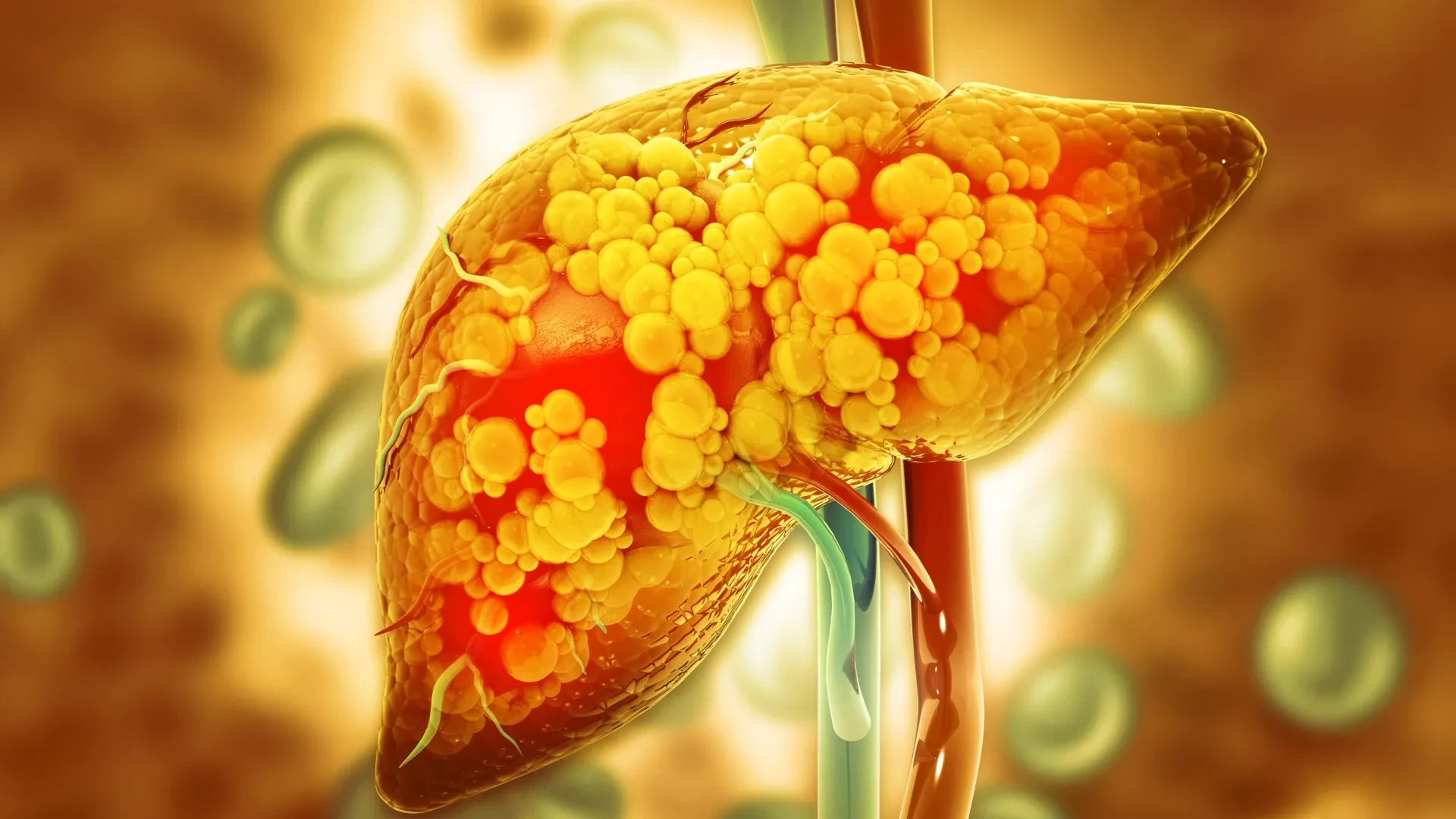
In this new multicenter study, researchers at Cedars-Sinai and their international collaborators focused on how the liver manages these "broken" powerhouses. They discovered that as liver disease progresses in severity, the levels of the UBE2N enzyme begin to plummet. This decline appears to be a hallmark of the shift from a manageable metabolic state to a pathologically dangerous one.
"The UBE2N enzyme appears to protect the liver from the inflammation and damage associated with MASH by helping remove damaged mitochondria and supporting the breakdown of fat," explained Ekihiro Seki, MD, PhD, professor of Medicine and Biomedical Sciences at Cedars-Sinai and the study’s co-corresponding author.
The mechanism is essentially a form of cellular quality control. Under normal conditions, UBE2N facilitates the identification and disposal of faulty mitochondria—a process known as mitophagy—while also ensuring that the liver can efficiently process lipids. "When levels of the enzyme fell, we saw more damaged cells and injury to the liver," Dr. Seki noted, suggesting that the loss of this enzyme removes a primary line of defense against metabolic overload.
Restoring UBE2N Reduced Liver Damage in Mice
To validate their findings and test the therapeutic potential of the enzyme, the research team conducted a series of preclinical experiments using laboratory mouse models designed to mimic the progression of human MASH. By using genetic or molecular methods to restore UBE2N to healthy, normal levels within the livers of these mice, the scientists were able to observe a dramatic shift in the disease trajectory.
The results were striking. In the subjects where UBE2N levels were restored, there was a significant reduction in the accumulation of liver fat. More importantly, the indicators of inflammation and the development of fibrous scarring were markedly diminished. This suggests that the enzyme does not merely mask the symptoms of the disease but actually addresses the underlying cellular dysfunction that drives the progression of MASH.
The study’s findings indicate that UBE2N acts as a metabolic regulator that balances the liver’s ability to handle nutritional stress. By promoting the clearance of damaged mitochondria, the enzyme prevents the release of pro-inflammatory signals that would otherwise recruit immune cells to the liver, thereby stopping the cycle of injury and scarring before it becomes irreversible.
These results have led researchers to believe that UBE2N could serve as a vital target for future drug development. A therapy that can either boost the production of UBE2N or mimic its protective effects could provide a powerful tool for preventing MASLD from advancing into the more lethal MASH stage.
A New Direction for Therapeutic Research
The implications of the study extend beyond the identification of a single enzyme; they offer a deeper understanding of the "metabolic health" of the liver at a molecular level. By focusing on the health of mitochondria and the enzymatic pathways that maintain them, researchers are moving toward a more nuanced approach to treating liver disease.