In a significant advancement for hepatology and metabolic research, a multicenter study led by Cedars-Sinai Health Sciences University has identified a specific enzyme that appears to serve as a critical guardian for the liver. The research, published recently in the prestigious journal Nature Metabolism, highlights the role of an enzyme called UBE2N in mitigating the progression of liver disease from common fat accumulation to life-threatening inflammation and permanent scarring.
The discovery comes at a pivotal time for public health. As obesity and metabolic syndrome rates continue to climb globally, the prevalence of liver conditions associated with these factors has reached epidemic proportions. By pinpointing the cellular mechanisms that prevent the liver from deteriorating under metabolic stress, the researchers have opened a new door for potential therapeutic interventions that could stave off liver failure in millions of patients.
The Rising Challenge of MASLD and MASH
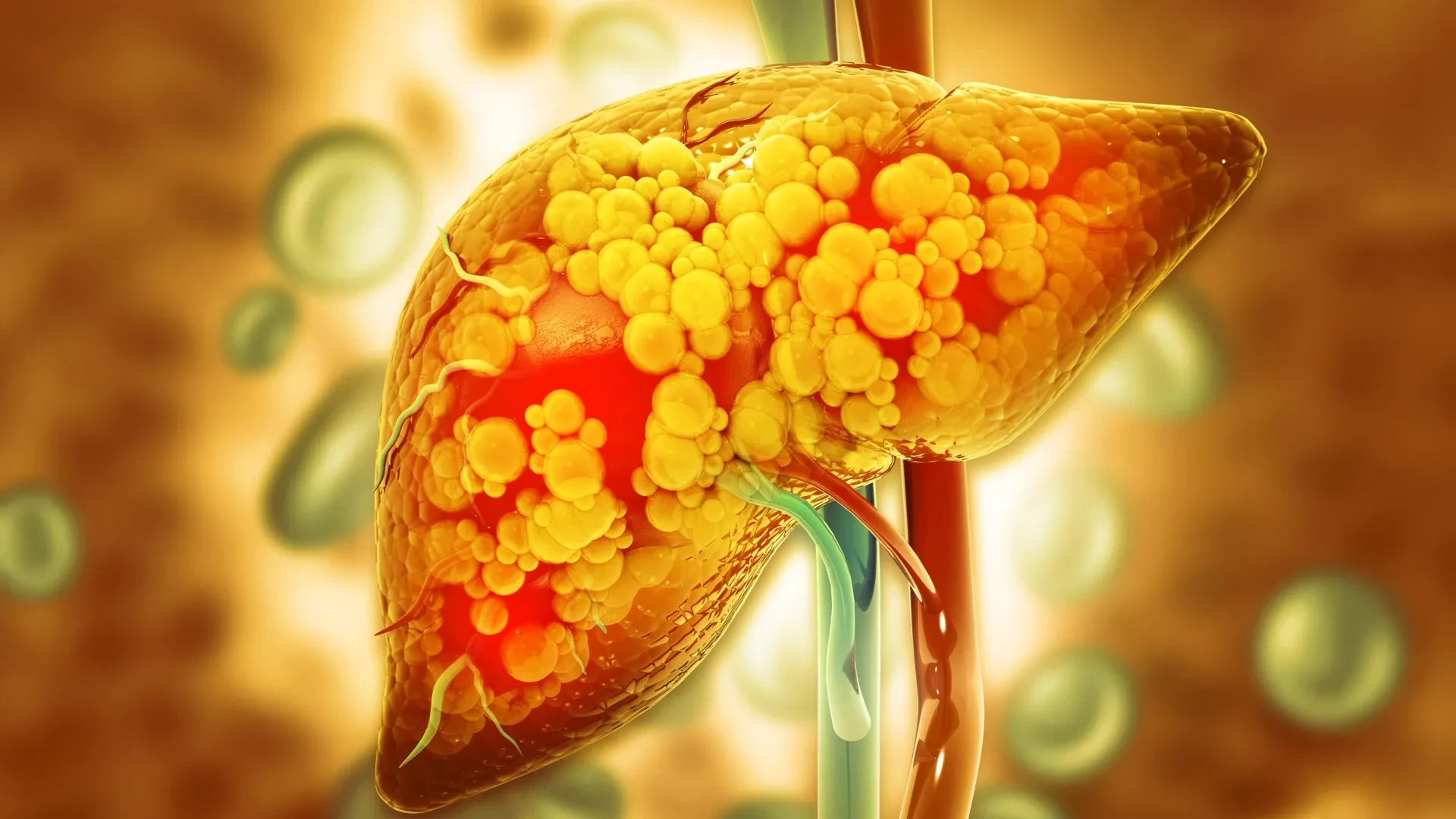
According to the American Liver Foundation, an estimated 100 million people in the United States currently live with metabolic dysfunction-associated steatotic liver disease (MASLD). This condition, which was formerly known as nonalcoholic fatty liver disease (NAFLD), is characterized by the accumulation of excess fat in the liver of individuals who drink little to no alcohol. While the initial stages of MASLD may be asymptomatic and manageable, the condition is far from benign.
The true clinical danger lies in the progression of the disease. Roughly 20% to 25% of individuals diagnosed with MASLD will eventually develop a much more aggressive and dangerous form of the condition known as metabolic dysfunction-associated steatohepatitis (MASH), previously referred to as NASH. In patients with MASH, the simple presence of fat is replaced by a destructive cascade of chronic inflammation and cellular injury. As the liver attempts to heal itself from this constant state of inflammation, it develops fibrous scar tissue. If left unchecked, this scarring, or fibrosis, can lead to cirrhosis, liver failure, and hepatocellular carcinoma—the most common form of liver cancer.
The transition from "simple" fatty liver to MASH is a critical turning point that doctors have long sought to understand and prevent. The identification of UBE2N provides a new biological lens through which this transition can be viewed and, potentially, halted.
Why MASH Is Difficult to Treat
The medical community has long struggled to provide effective pharmacological solutions for MASH. For years, the primary recommendation for patients has centered on aggressive lifestyle modifications, including significant weight loss, dietary overhauls, and increased physical activity. While these interventions can be highly effective if maintained, they are often difficult for patients to sustain over the long term, and they do not always reverse the damage once significant inflammation has set in.
Although the pharmaceutical landscape is beginning to shift with the recent emergence of some targeted medications, treatment options remain notably limited. There is currently no definitive cure for MASH, and for many patients who reach the stage of advanced cirrhosis, a liver transplant remains the only viable option for survival.
The difficulty in treating MASH stems from the complexity of the liver’s metabolic environment. The disease is not caused by a single factor but by a breakdown in various cellular processes. Earlier research in the field has frequently pointed toward the role of mitochondria—the specialized structures within cells responsible for generating energy. When mitochondria become damaged or dysfunctional, they cease to provide energy and instead begin to leak harmful byproducts that trigger inflammatory responses.
In this new multicenter study, researchers at Cedars-Sinai and their international collaborators focused on how the liver manages these "broken" powerhouses. They discovered that as liver disease progresses in severity, the levels of the UBE2N enzyme begin to plummet. This decline appears to be a hallmark of the shift from a manageable metabolic state to a pathologically dangerous one.
"The UBE2N enzyme appears to protect the liver from the inflammation and damage associated with MASH by helping remove damaged mitochondria and supporting the breakdown of fat," explained Ekihiro Seki, MD, PhD, professor of Medicine and Biomedical Sciences at Cedars-Sinai and the study’s co-corresponding author.
The mechanism is essentially a form of cellular quality control. Under normal conditions, UBE2N facilitates the identification and disposal of faulty mitochondria—a process known as mitophagy—while also ensuring that the liver can efficiently process lipids. "When levels of the enzyme fell, we saw more damaged cells and injury to the liver," Dr. Seki noted, suggesting that the loss of this enzyme removes a primary line of defense against metabolic overload.
Restoring UBE2N Reduced Liver Damage in Mice
To validate their findings and test the therapeutic potential of the enzyme, the research team conducted a series of preclinical experiments using laboratory mouse models designed to mimic the progression of human MASH. By using genetic or molecular methods to restore UBE2N to healthy, normal levels within the livers of these mice, the scientists were able to observe a dramatic shift in the disease trajectory.
The results were striking. In the subjects where UBE2N levels were restored, there was a significant reduction in the accumulation of liver fat. More importantly, the indicators of inflammation and the development of fibrous scarring were markedly diminished. This suggests that the enzyme does not merely mask the symptoms of the disease but actually addresses the underlying cellular dysfunction that drives the progression of MASH.
The study’s findings indicate that UBE2N acts as a metabolic regulator that balances the liver’s ability to handle nutritional stress. By promoting the clearance of damaged mitochondria, the enzyme prevents the release of pro-inflammatory signals that would otherwise recruit immune cells to the liver, thereby stopping the cycle of injury and scarring before it becomes irreversible.
These results have led researchers to believe that UBE2N could serve as a vital target for future drug development. A therapy that can either boost the production of UBE2N or mimic its protective effects could provide a powerful tool for preventing MASLD from advancing into the more lethal MASH stage.
A New Direction for Therapeutic Research
The implications of the study extend beyond the identification of a single enzyme; they offer a deeper understanding of the "metabolic health" of the liver at a molecular level. By focusing on the health of mitochondria and the enzymatic pathways that maintain them, researchers are moving toward a more nuanced approach to treating liver disease.
"The identification of this enzyme’s role in regulating mitochondria in the liver is an important advance in understanding steatotic liver disease," said Shelly Lu, MD, the Women’s Guild Chair in Gastroenterology and director of the Karsh Division of Gastroenterology and Hepatology at Cedars-Sinai.
Dr. Lu, a renowned expert in liver health, emphasized that while the preclinical results are promising, they represent the beginning of a new phase of investigation. "Future studies can test whether enhancing this protective pathway can complement existing treatments, identify patients most likely to benefit and lead to new therapeutic approaches for preventing advanced disease," she said.
One potential avenue for future research is the development of biomarkers based on UBE2N levels. If doctors can monitor the decline of this enzyme in patients with MASLD, they may be able to identify those at the highest risk of progressing to MASH before significant scarring occurs. This would allow for earlier and more aggressive intervention.
Furthermore, the study highlights the necessity of a multifaceted approach to liver disease. Because MASH involves fat metabolism, mitochondrial health, and immune system activation, the most effective future treatments may involve "cocktail" therapies that combine UBE2N-targeting drugs with existing medications that address other aspects of the disease.
Collaborative Effort and Support
The breakthrough was the result of an extensive international collaboration, reflecting the global urgency of addressing liver disease. In addition to the lead team at Cedars-Sinai, which included Michitaka Matsuda, So Yeon Kim, Takashi Tsuchiya, and Yoon Seok Roh, the study featured contributions from a wide array of researchers from various institutions.
The contributing authors included Feng Wang, Jin Lee, Jeong-Su Park, Meizhou Huang, Hwan Ma, Guoyan Sui, Zixiong Zhou, Xufeng Wu, Haram Lee, Soohwan Oh, Hanseul Park, Key-Hwan Lim, Chun-Woong Park, Sang-Bae Han, Jin Tae Hong, and Michael Karin. This diverse group of scientists brought together expertise in molecular biology, gastroenterology, and pathology to map out the enzyme’s complex role in liver health.
The research was supported by a variety of prestigious grants and organizations, underscoring its clinical significance. Funding sources included the National Research Foundation of Korea, the Regional Innovation System & Education (RISE) programme of Chungbuk, and the National Institutes of Health (NIH). Additional support was provided by the American Association for the Study of Liver Diseases (AASLD) through the Pinnacle Research Award, the San Diego Digestive Diseases Research Center (SDDRC), and the National Natural Science Foundation of China.
As the scientific community continues to digest these findings, the focus will likely shift toward translating these preclinical successes into human clinical trials. While the road from a laboratory discovery to a pharmacy shelf is long, the identification of UBE2N provides a clear and promising target in the fight against a silent epidemic that affects tens of millions of people. For those currently living with MASLD, the hope is that this "guardian" enzyme will eventually lead to a way to stop the progression of liver disease in its tracks, preventing the need for transplants and saving lives.