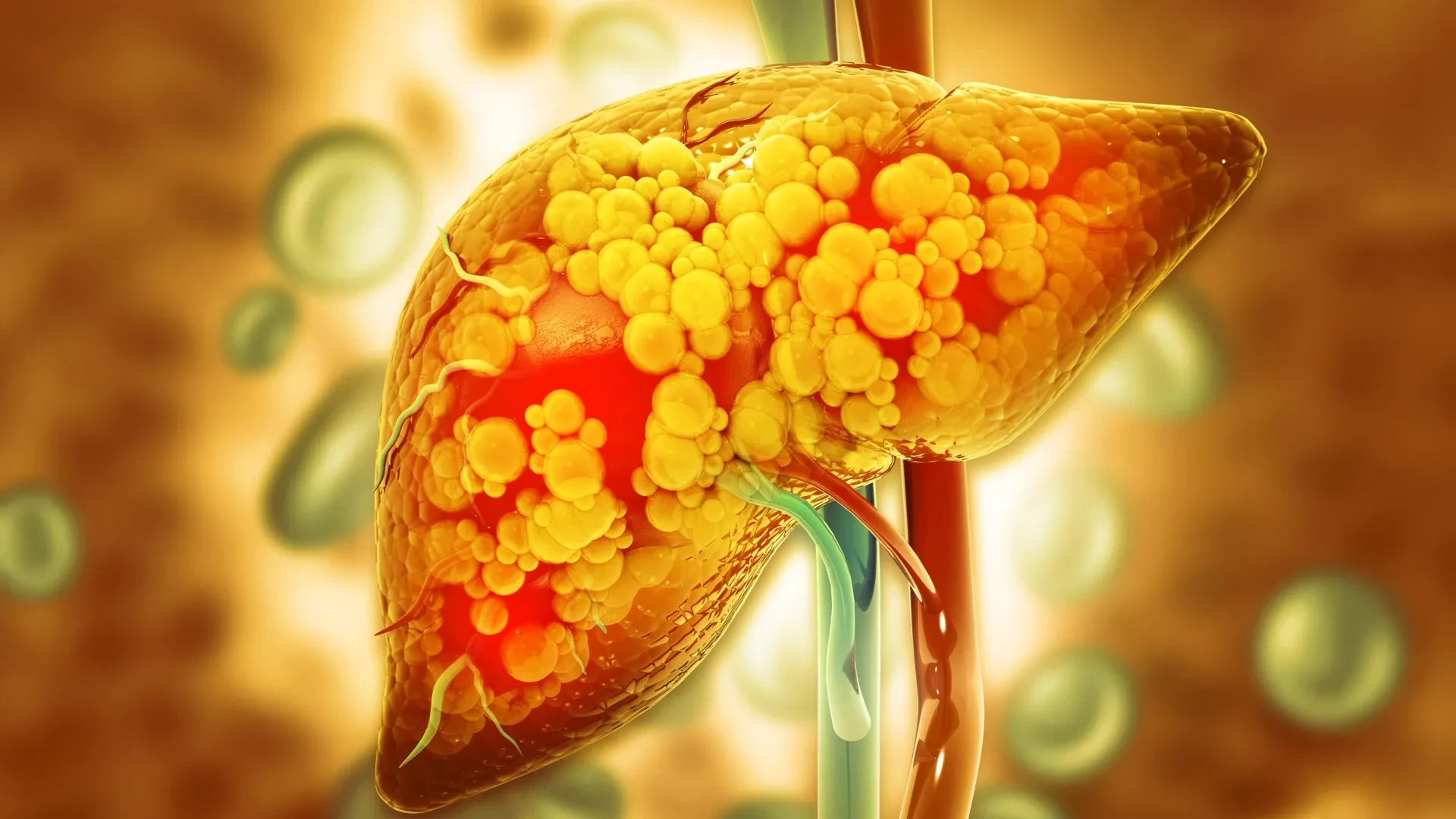
"The identification of this enzyme’s role in regulating mitochondria in the liver is an important advance in understanding steatotic liver disease," said Shelly Lu, MD, the Women’s Guild Chair in Gastroenterology and director of the Karsh Division of Gastroenterology and Hepatology at Cedars-Sinai.
Dr. Lu, a renowned expert in liver health, emphasized that while the preclinical results are promising, they represent the beginning of a new phase of investigation. "Future studies can test whether enhancing this protective pathway can complement existing treatments, identify patients most likely to benefit and lead to new therapeutic approaches for preventing advanced disease," she said.
One potential avenue for future research is the development of biomarkers based on UBE2N levels. If doctors can monitor the decline of this enzyme in patients with MASLD, they may be able to identify those at the highest risk of progressing to MASH before significant scarring occurs. This would allow for earlier and more aggressive intervention.
Furthermore, the study highlights the necessity of a multifaceted approach to liver disease. Because MASH involves fat metabolism, mitochondrial health, and immune system activation, the most effective future treatments may involve "cocktail" therapies that combine UBE2N-targeting drugs with existing medications that address other aspects of the disease.
Collaborative Effort and Support
The breakthrough was the result of an extensive international collaboration, reflecting the global urgency of addressing liver disease. In addition to the lead team at Cedars-Sinai, which included Michitaka Matsuda, So Yeon Kim, Takashi Tsuchiya, and Yoon Seok Roh, the study featured contributions from a wide array of researchers from various institutions.
The contributing authors included Feng Wang, Jin Lee, Jeong-Su Park, Meizhou Huang, Hwan Ma, Guoyan Sui, Zixiong Zhou, Xufeng Wu, Haram Lee, Soohwan Oh, Hanseul Park, Key-Hwan Lim, Chun-Woong Park, Sang-Bae Han, Jin Tae Hong, and Michael Karin. This diverse group of scientists brought together expertise in molecular biology, gastroenterology, and pathology to map out the enzyme’s complex role in liver health.
The research was supported by a variety of prestigious grants and organizations, underscoring its clinical significance. Funding sources included the National Research Foundation of Korea, the Regional Innovation System & Education (RISE) programme of Chungbuk, and the National Institutes of Health (NIH). Additional support was provided by the American Association for the Study of Liver Diseases (AASLD) through the Pinnacle Research Award, the San Diego Digestive Diseases Research Center (SDDRC), and the National Natural Science Foundation of China.
As the scientific community continues to digest these findings, the focus will likely shift toward translating these preclinical successes into human clinical trials. While the road from a laboratory discovery to a pharmacy shelf is long, the identification of UBE2N provides a clear and promising target in the fight against a silent epidemic that affects tens of millions of people. For those currently living with MASLD, the hope is that this "guardian" enzyme will eventually lead to a way to stop the progression of liver disease in its tracks, preventing the need for transplants and saving lives.