In a powerful display of collective concern, a significant coalition of Brazilian members of the Academy of Motion Picture Arts and Sciences has issued an open letter to the international community. The signatories, who represent the pinnacle of Brazil’s global cultural reach, are calling for urgent international attention and rigorous journalistic scrutiny regarding the upcoming second round of the nation’s presidential elections. Scheduled for October 25, the runoff will see the incumbent President Luiz Inácio Lula da Silva face off against the far-right candidate Flávio Bolsonaro, a contest that the signatories believe carries existential stakes for the country’s democratic institutions and its thriving cultural sector.
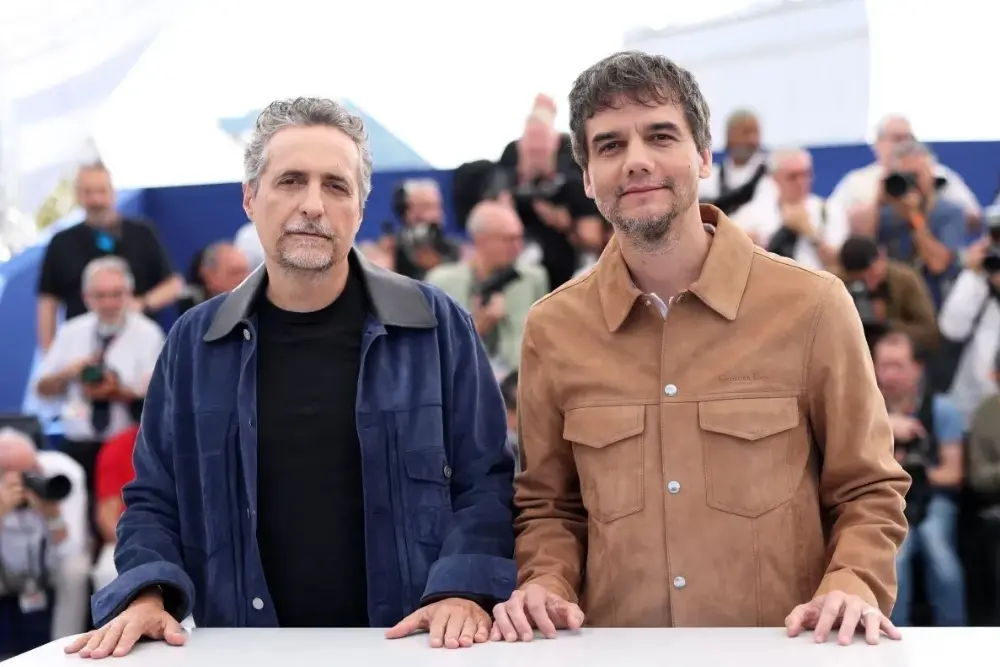
The list of signatories reads like a "who’s who" of contemporary world cinema. It includes Academy Award nominees such as director Kleber Mendonça Filho (Bacurau, Aquarius), actor Wagner Moura (Narcos, Elite Squad), producer Emilie Lesclaux, director Fernando Meirelles (City of God), animator Alê Abreu (The Boy and the World), and documentarian Petra Costa (The Edge of Democracy). They are joined by Oscar-winning producer Rodrigo Teixeira, whose most recent work includes the acclaimed I’m Still Here. The letter underscores a deep-seated anxiety among the country’s intellectual and creative elite, who fear that the narrow margins of the first-round vote—where only 1.87 percentage points separated the candidates—have left the nation vulnerable to instability and foreign interference.
At the heart of the letter is the candidacy of Flávio Bolsonaro, the son of former president Jair Bolsonaro. The elder Bolsonaro is currently serving a sentence of 27 years and three months under house arrest, following a conviction for plotting a coup d’état in the wake of his 2022 electoral defeat. The filmmakers point to this legacy of anti-democratic sentiment as a primary cause for alarm, especially given Flávio Bolsonaro’s public pledge that his first act in office would be to grant his father a full presidential amnesty. The letter characterizes this move not merely as a family loyalty, but as a direct challenge to the rule of law and the independence of the Brazilian judiciary.
The signatories are particularly vocal about Flávio Bolsonaro’s proposal to rewrite Brazil’s 1988 Constitution. Often referred to as the "Citizen Constitution," the 1988 document was the cornerstone of Brazil’s transition from a 21-year military dictatorship to a modern democracy. The filmmakers argue that a new constitution, drafted by a Congress currently dominated by a far-right majority, would likely dismantle the protections and civil liberties that have defined the post-authoritarian era. They describe the prospect as a "troubling sign of disregard for democratic norms," linking it to the broader pattern of political volatility seen during the previous administration.
The open letter also raises serious allegations regarding foreign meddling and the role of digital platforms in shaping the electoral landscape. Citing a recent investigation by The Guardian, the signatories highlight the allocation of approximately US$1 million from a United States State Department human rights fund to a program titled "Countering Lawfare and Censorship in Brazil." The letter calls for a transparent investigation into how these funds were used and whether they constituted an inappropriate intervention in Brazilian domestic affairs. This concern is compounded by what the filmmakers describe as a "broader pattern of alleged electoral interference across Latin America," suggesting that the stability of Brazilian democracy is a matter of regional and global security.