In a powerful display of collective concern, a significant coalition of Brazilian members of the Academy of Motion Picture Arts and Sciences has issued an open letter to the international community. The signatories, who represent the pinnacle of Brazil’s global cultural reach, are calling for urgent international attention and rigorous journalistic scrutiny regarding the upcoming second round of the nation’s presidential elections. Scheduled for October 25, the runoff will see the incumbent President Luiz Inácio Lula da Silva face off against the far-right candidate Flávio Bolsonaro, a contest that the signatories believe carries existential stakes for the country’s democratic institutions and its thriving cultural sector.
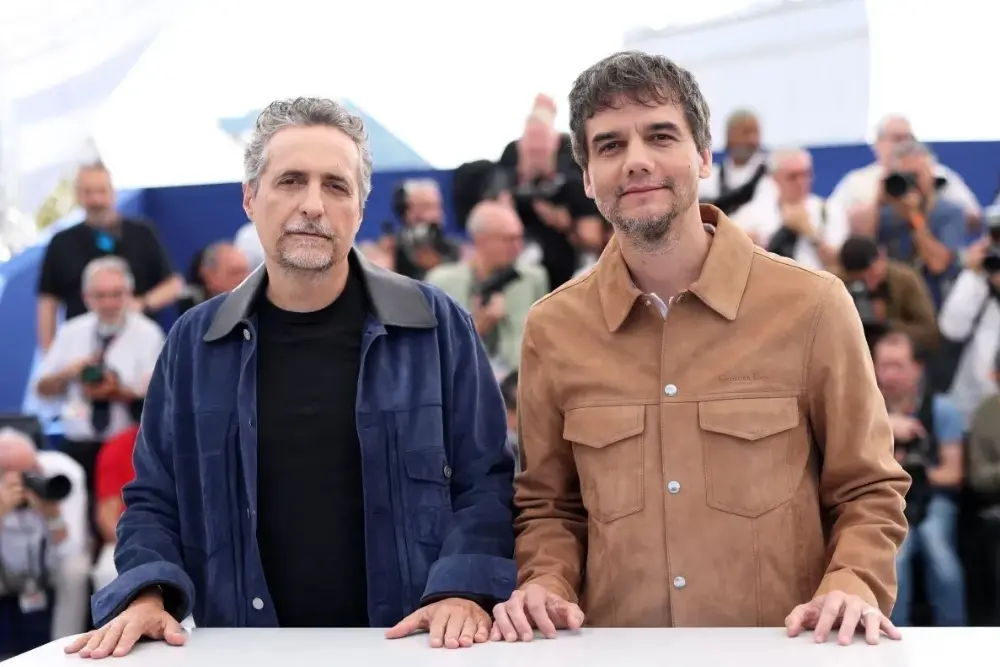
The list of signatories reads like a "who’s who" of contemporary world cinema. It includes Academy Award nominees such as director Kleber Mendonça Filho (Bacurau, Aquarius), actor Wagner Moura (Narcos, Elite Squad), producer Emilie Lesclaux, director Fernando Meirelles (City of God), animator Alê Abreu (The Boy and the World), and documentarian Petra Costa (The Edge of Democracy). They are joined by Oscar-winning producer Rodrigo Teixeira, whose most recent work includes the acclaimed I’m Still Here. The letter underscores a deep-seated anxiety among the country’s intellectual and creative elite, who fear that the narrow margins of the first-round vote—where only 1.87 percentage points separated the candidates—have left the nation vulnerable to instability and foreign interference.
At the heart of the letter is the candidacy of Flávio Bolsonaro, the son of former president Jair Bolsonaro. The elder Bolsonaro is currently serving a sentence of 27 years and three months under house arrest, following a conviction for plotting a coup d’état in the wake of his 2022 electoral defeat. The filmmakers point to this legacy of anti-democratic sentiment as a primary cause for alarm, especially given Flávio Bolsonaro’s public pledge that his first act in office would be to grant his father a full presidential amnesty. The letter characterizes this move not merely as a family loyalty, but as a direct challenge to the rule of law and the independence of the Brazilian judiciary.
The signatories are particularly vocal about Flávio Bolsonaro’s proposal to rewrite Brazil’s 1988 Constitution. Often referred to as the "Citizen Constitution," the 1988 document was the cornerstone of Brazil’s transition from a 21-year military dictatorship to a modern democracy. The filmmakers argue that a new constitution, drafted by a Congress currently dominated by a far-right majority, would likely dismantle the protections and civil liberties that have defined the post-authoritarian era. They describe the prospect as a "troubling sign of disregard for democratic norms," linking it to the broader pattern of political volatility seen during the previous administration.
The open letter also raises serious allegations regarding foreign meddling and the role of digital platforms in shaping the electoral landscape. Citing a recent investigation by The Guardian, the signatories highlight the allocation of approximately US$1 million from a United States State Department human rights fund to a program titled "Countering Lawfare and Censorship in Brazil." The letter calls for a transparent investigation into how these funds were used and whether they constituted an inappropriate intervention in Brazilian domestic affairs. This concern is compounded by what the filmmakers describe as a "broader pattern of alleged electoral interference across Latin America," suggesting that the stability of Brazilian democracy is a matter of regional and global security.
In addition to state-level interference, the letter points to irregularities on social media. The signatories cite reports from media observers regarding the reach of political content on Meta-owned platforms, specifically Instagram. They allege that President Lula da Silva’s official accounts have experienced sudden and unexplained declines in visibility, difficulties with search results, and a total inability to utilize paid advertising tools. Conversely, they highlight a suspicious scheme involving a US-based website that allegedly promoted advertisements for Flávio Bolsonaro in exchange for cryptocurrency tokens, under the guise of a charitable initiative for children in Uganda. These digital discrepancies, along with ongoing Federal Police investigations into suspected cash payments to voters in rural areas, paint a picture of an electoral process that the filmmakers believe is being systematically undermined.
For the Brazilian film community, the stakes of this election are also deeply professional. The letter serves as a reminder of the "scorched earth" policy enacted against the arts during the presidency of Jair Bolsonaro. During that period, the Ministry of Culture was abolished and relegated to a minor secretariat, the Audiovisual Sector Fund (FSA) was frozen, and numerous cultural institutions were gutted of leadership and funding. The signatories recall a climate of "ideological screening" and de facto censorship that paralyzed the industry for years. They argue that the health of the audiovisual sector is "inseparable from defending democracy," and they fear that a Flávio Bolsonaro victory would lead to a permanent dismantling of the infrastructure that allows Brazilian stories to reach the world stage.
The humanitarian record of the previous administration also looms large in the letter. The filmmakers reference the complaint filed against Jair Bolsonaro at the International Criminal Court in The Hague, which focused on his administration’s handling of the COVID-19 pandemic. With over 600,000 recorded deaths, the complaint argues that more than half of those fatalities could have been prevented through standard public health measures and the timely acquisition of vaccines. Furthermore, the letter notes that Brazil returned to the United Nations’ Hunger Map under the elder Bolsonaro’s watch—a tragic reversal of decades of social progress.
The signatories express alarm that Flávio Bolsonaro’s economic platform appears to be modeled on the aggressive austerity policies of President Javier Milei in neighboring Argentina. They warn that these "chainsaw" cuts to social security and public services would disproportionately harm the most vulnerable sectors of Brazilian society while further starving the cultural and educational sectors of necessary investment. The letter criticizes much of Brazil’s mainstream media for "normalizing" these developments and failing to treat the allegations of criminal conduct and democratic subversion with the necessary gravity.
Beyond the headlining names, the letter is supported by a broad spectrum of the industry’s most respected figures. Signatories include Alice Braga (I’m Still Here, City of God), Karim Aïnouz (The Invisible Life of Eurídice Gusmão), Sônia Braga (Aquarius, Kiss of the Spider Woman), Gabriel Mascaro (The Blue Trail), Carolina Markowicz (Charcoal), Anita Rocha da Silveira (Medusa), Anna Muylaert (The Second Mother), and Laís Bodanzky (Brainstorm). The support of Ilda Santiago, the director of the Rio Film Festival, further emphasizes the institutional weight behind the message.
The letter concludes with a direct appeal to the international press and the global film community. The signatories urge journalists to cover the October 25 runoff with "rigor" and to look beyond the surface-level horse race of the polls to investigate the underlying threats to the democratic process. They call on their colleagues in Hollywood and across the international audiovisual industry to amplify this debate, arguing that the defense of democracy in one of the world’s largest nations is a shared responsibility.
The full list of signatories includes:
Adrian Teijido, Alê Abreu, Alice Braga, Andrea Barata Ribeiro, Anita Rocha da Silveira, Anna Muylaert, Anna Van Steen, Bernardo Uzeda, Carlos Segundo, Carolina Markowicz, Claudia Kopke, Daniel Filho, Daniel Rezende, Daniela Thomas, Eduardo Serrano, Eliza Capai, Emilie Lesclaux, Emilio Domingos, Fernando Meirelles, Flávia Amon, Flávia de Souza, Gabriel Domingues, Gabriel Mascaro, Helena Solberg, Heloisa Passos, Ilda Santiago, Jefferson De, Jorge Bodanzky, José Joffily, Juliana Rojas, Karen Akerman, Karen Harley, Karim Ainouz, Kleber Mendonça Filho, Lais Bodanzky, Lucy Barreto, Maeve Jinkings, Marcelo Caetano, Maria Augusta Ramos, Mariana Oliva, Matheus Farias, Miriam Biderman, Otto Guerra, Paula Barreto, Pedro Kos, Petra Costa, Plínio Profeta, Renata Almeida Magalhães, Rodrigo Teixeira, Sara Silveira, Sônia Braga, Tatiana Leite, Thales Junqueira, Vânia Catani, Vera Hamburger, Wagner Moura, Waldir Xavier, and Wilssa Esser.
As the countdown to the October 25 election continues, this unprecedented intervention by Brazil’s cultural ambassadors serves as a stark reminder of the tension gripping the nation. For these artists, the vote is not merely a choice between two political programs, but a fundamental referendum on whether Brazil will continue its journey as a modern democracy or return to the shadows of its authoritarian past.