In the late summer of 2010, a remote corner of Chile’s Atacama Desert became the center of the world’s attention. A catastrophic collapse at the San José copper-gold mine had vanished 33 men beneath a half-mile of solid rock. For 69 days, the world remained tethered to the news, witnessing a saga of survival that defied the odds of engineering and human endurance. Now, fourteen years after the final miner was pulled to the surface, National Geographic is revisiting this extraordinary event through a new lens in the three-part documentary series, Chilean Mine Rescue: Race Against Time.
The series, which represents the latest installment in National Geographic’s Emmy Award-winning "Race Against Time" franchise, promises to offer the most intimate portrait of the crisis to date. While the 2010 rescue was one of the most-watched live television events in history—reaching an estimated one billion viewers globally—the new series unearths a perspective that was entirely inaccessible to the public at the time. Central to the documentary is a collection of never-before-seen footage recorded by the miners themselves while they were trapped 2,300 feet underground.
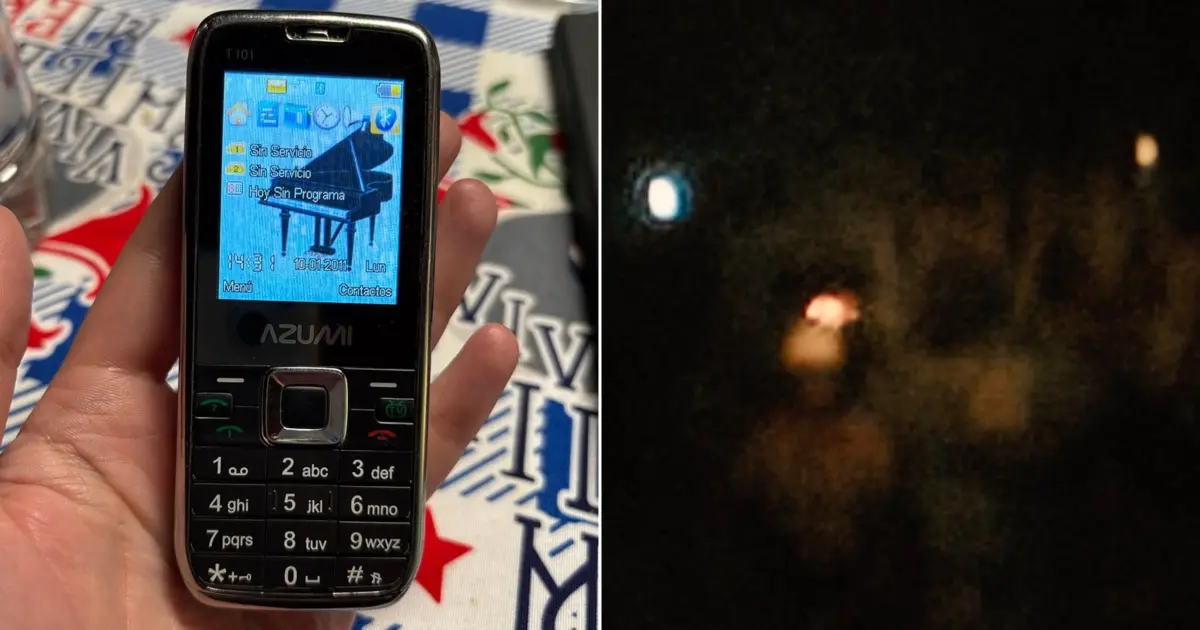
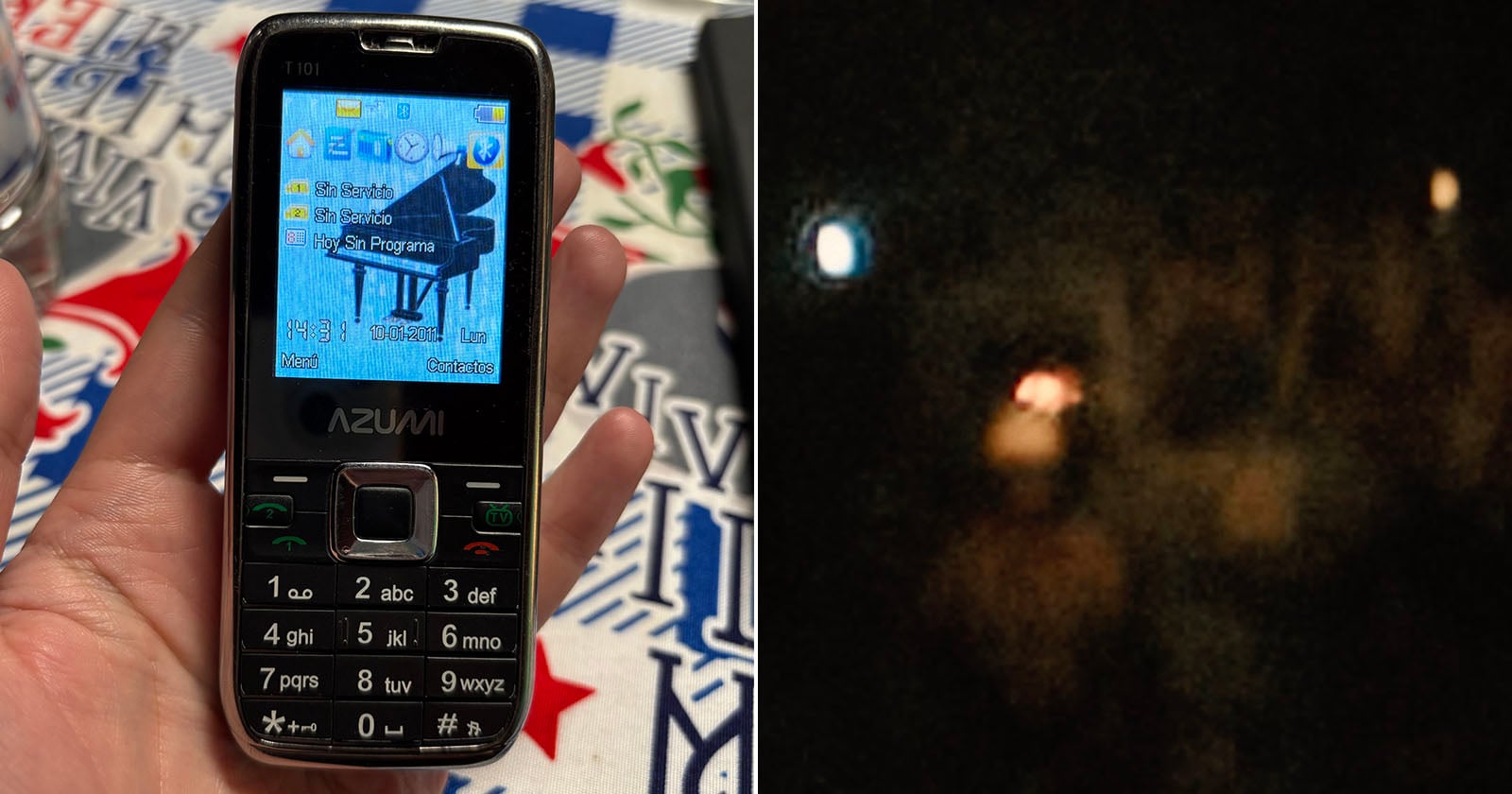
These recordings were captured on primitive mobile devices, specifically the Azumi T101 feature phone, a far cry from the high-definition smartphones of the modern era. Despite the grainy, low-resolution quality of the video, the footage provides a visceral, haunting look at the collective dread and flickering hope of 33 men who, for a significant portion of their ordeal, were convinced they would never see the sky again.
Making a Documentary Using Archival Footage
The task of breathing new life into a story that was extensively covered by international media fell to co-directors James Parris and Chloe Campbell. Parris, an Emmy winner known for his expertise in historical and archival storytelling, and Campbell faced the immense challenge of distilling more than two months of history into a cohesive three-part narrative.
Speaking with PetaPixel, the directors detailed the painstaking process of sifting through a mountain of archival material. Because the San José mine collapse was a global phenomenon, the sheer volume of footage was staggering. From the moment the mine collapsed on August 5, 2010, until the final rescue on October 13, news crews from every continent were stationed at the site.

"I think approaching stories like this, it always demands an incredible focus on the archival material that you have to play with," Parris explained. "In this particular case, the event was viewed by literally billions of people around the world and there were cameras from day one until the very end. We’re talking about an extensive period of time. So the amount of archival material we knew going into this was going to be vast."
For a documentary filmmaker, working with historical events requires a different set of skills than traditional cinematography. Parris noted that while modern filmmakers often have the luxury of picking up a camera and capturing their own scenes, a retrospective project like Chilean Mine Rescue relies entirely on the "people who have gone before you to film it." Even with his years of experience, Parris admitted he was "baffled" by the sheer scale of the archives they had to navigate.
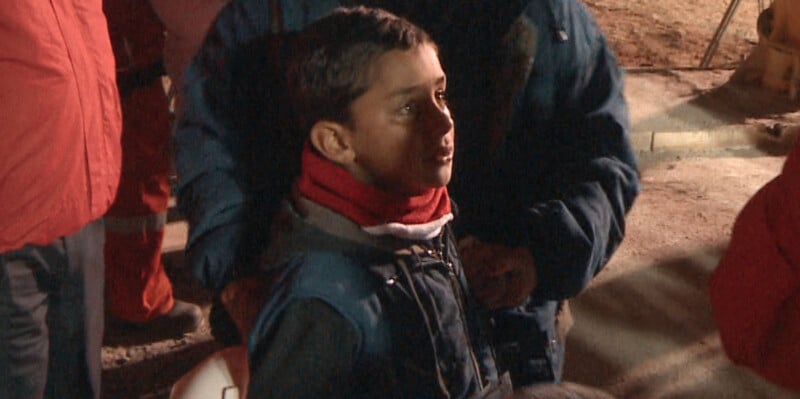
The directorial challenge was not just about finding the footage, but about making the difficult editorial choices necessary to maintain a narrative pace. "We can’t broadcast something that’s 69 days long," Campbell noted. "You’re always having to make very difficult choices." The goal, she said, was to create what would feel like the "definitive telling" of the story—one that honors the historical record while offering fresh emotional resonance for a new generation of viewers.