In the late summer of 2010, a remote corner of Chile’s Atacama Desert became the center of the world’s attention. A catastrophic collapse at the San José copper-gold mine had vanished 33 men beneath a half-mile of solid rock. For 69 days, the world remained tethered to the news, witnessing a saga of survival that defied the odds of engineering and human endurance. Now, fourteen years after the final miner was pulled to the surface, National Geographic is revisiting this extraordinary event through a new lens in the three-part documentary series, Chilean Mine Rescue: Race Against Time.
The series, which represents the latest installment in National Geographic’s Emmy Award-winning "Race Against Time" franchise, promises to offer the most intimate portrait of the crisis to date. While the 2010 rescue was one of the most-watched live television events in history—reaching an estimated one billion viewers globally—the new series unearths a perspective that was entirely inaccessible to the public at the time. Central to the documentary is a collection of never-before-seen footage recorded by the miners themselves while they were trapped 2,300 feet underground.
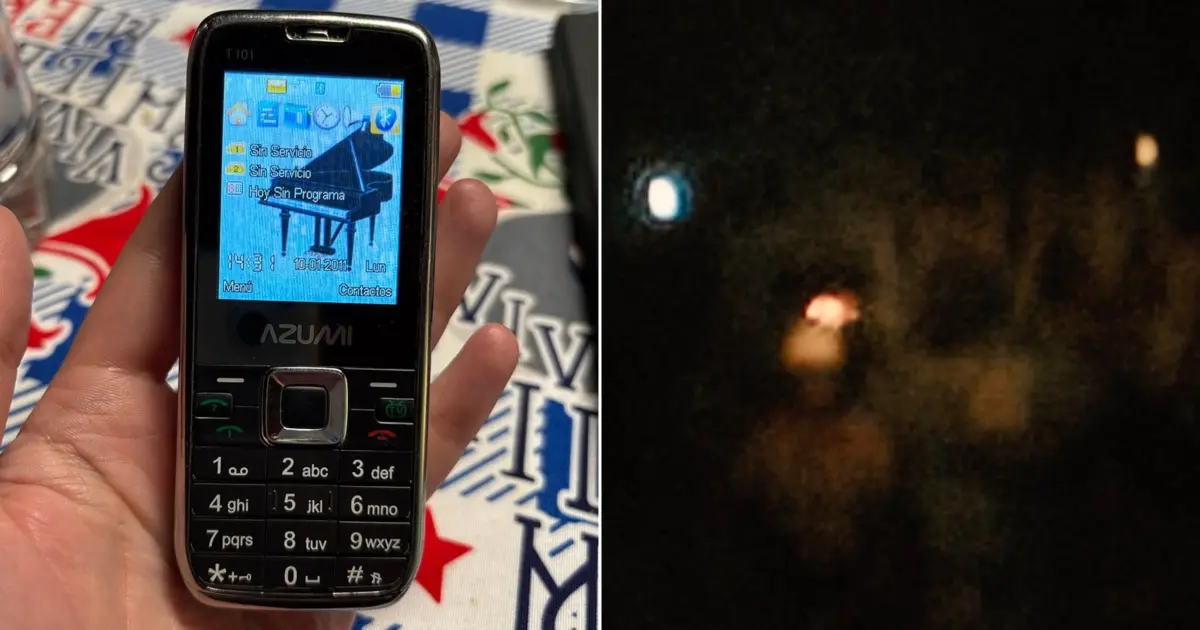
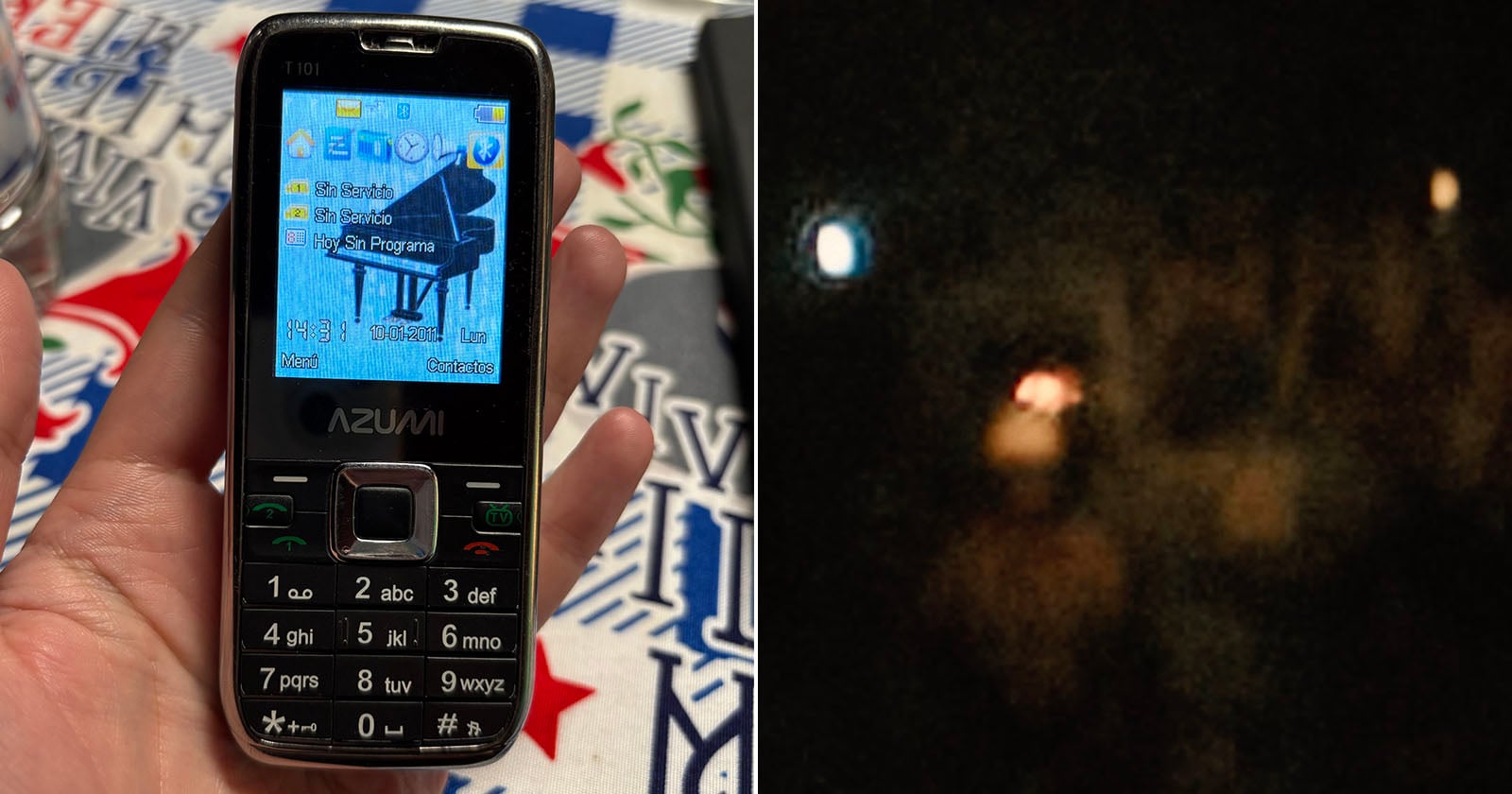
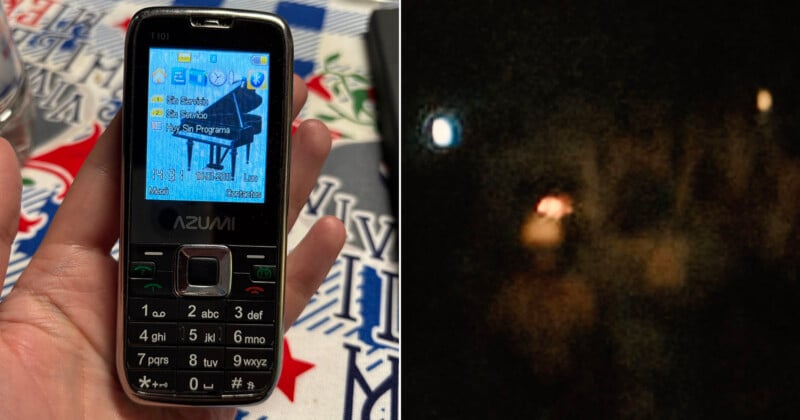
These recordings were captured on primitive mobile devices, specifically the Azumi T101 feature phone, a far cry from the high-definition smartphones of the modern era. Despite the grainy, low-resolution quality of the video, the footage provides a visceral, haunting look at the collective dread and flickering hope of 33 men who, for a significant portion of their ordeal, were convinced they would never see the sky again.
Making a Documentary Using Archival Footage
The task of breathing new life into a story that was extensively covered by international media fell to co-directors James Parris and Chloe Campbell. Parris, an Emmy winner known for his expertise in historical and archival storytelling, and Campbell faced the immense challenge of distilling more than two months of history into a cohesive three-part narrative.
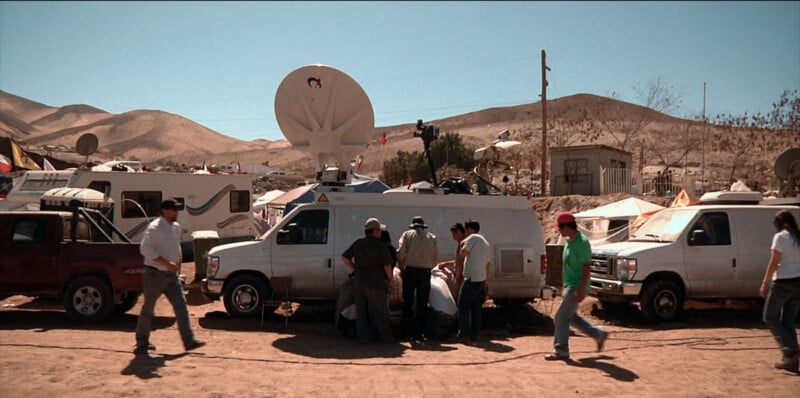
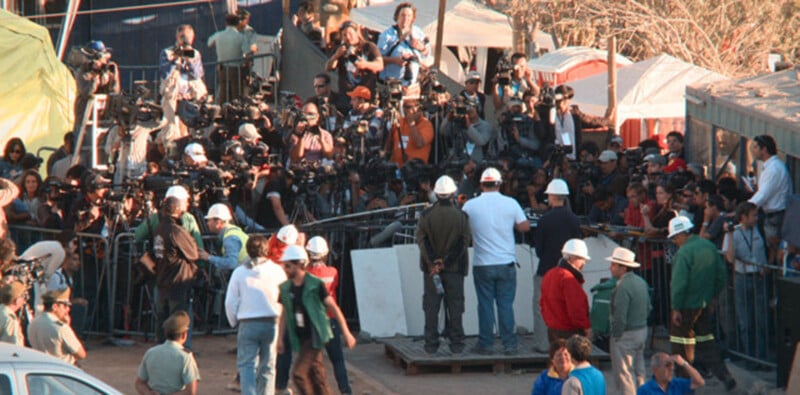
Speaking with PetaPixel, the directors detailed the painstaking process of sifting through a mountain of archival material. Because the San José mine collapse was a global phenomenon, the sheer volume of footage was staggering. From the moment the mine collapsed on August 5, 2010, until the final rescue on October 13, news crews from every continent were stationed at the site.
"I think approaching stories like this, it always demands an incredible focus on the archival material that you have to play with," Parris explained. "In this particular case, the event was viewed by literally billions of people around the world and there were cameras from day one until the very end. We’re talking about an extensive period of time. So the amount of archival material we knew going into this was going to be vast."
For a documentary filmmaker, working with historical events requires a different set of skills than traditional cinematography. Parris noted that while modern filmmakers often have the luxury of picking up a camera and capturing their own scenes, a retrospective project like Chilean Mine Rescue relies entirely on the "people who have gone before you to film it." Even with his years of experience, Parris admitted he was "baffled" by the sheer scale of the archives they had to navigate.
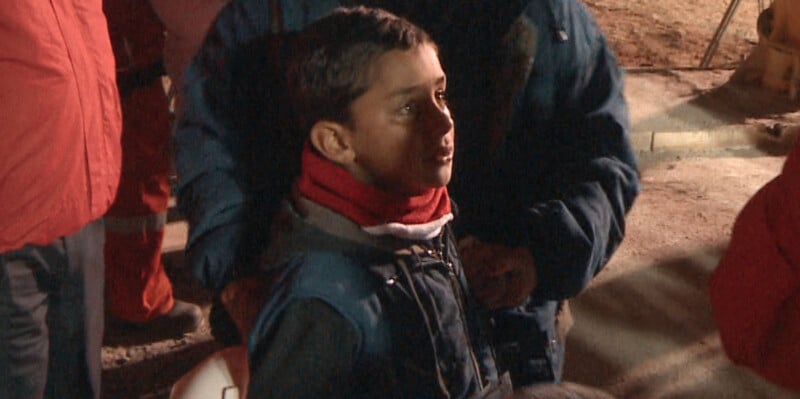
The directorial challenge was not just about finding the footage, but about making the difficult editorial choices necessary to maintain a narrative pace. "We can’t broadcast something that’s 69 days long," Campbell noted. "You’re always having to make very difficult choices." The goal, she said, was to create what would feel like the "definitive telling" of the story—one that honors the historical record while offering fresh emotional resonance for a new generation of viewers.
Never-Before-Seen Cellphone Footage From Half a Mile Underground
The "holy grail" of the series is undoubtedly the recovered cell phone footage. For the first 17 days following the collapse, the 33 miners were completely cut off from the surface. Above ground, engineers drilled frantic exploratory holes, but there was no confirmation that anyone had survived the initial cave-in. During this period of absolute isolation and near-starvation, the miners used their limited resources to document their reality.
The footage captured during those first 17 days was never intended for a television audience. Instead, it served a much darker purpose: it was a digital last will and testament. Parris emphasized that the footage must be handled with "extreme care" because of the psychological state of the men who recorded it.
"You have to handle it with such care, with an eye to the fact that when the person was holding that camera, they were filming with a certain state of mind," Parris said. "And that state of mind in this particular case was, ‘We’re filming almost certain that we will not survive this.’"
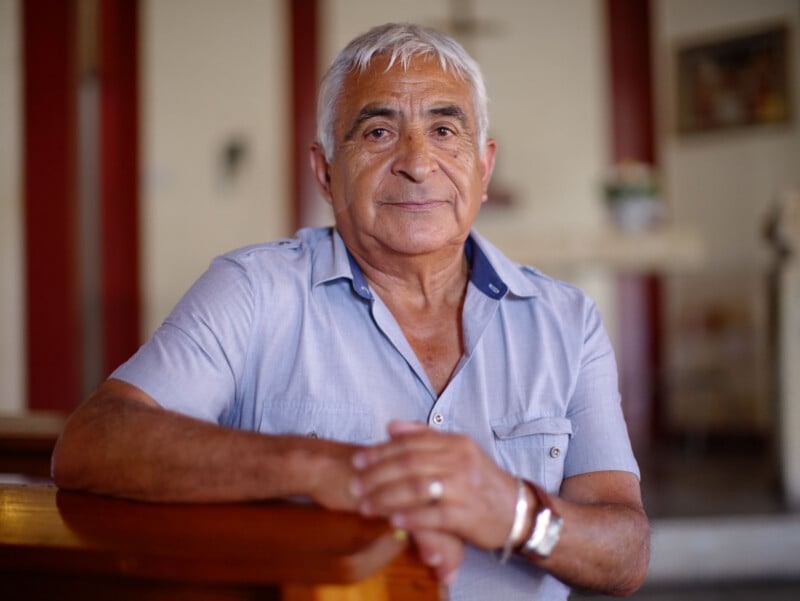
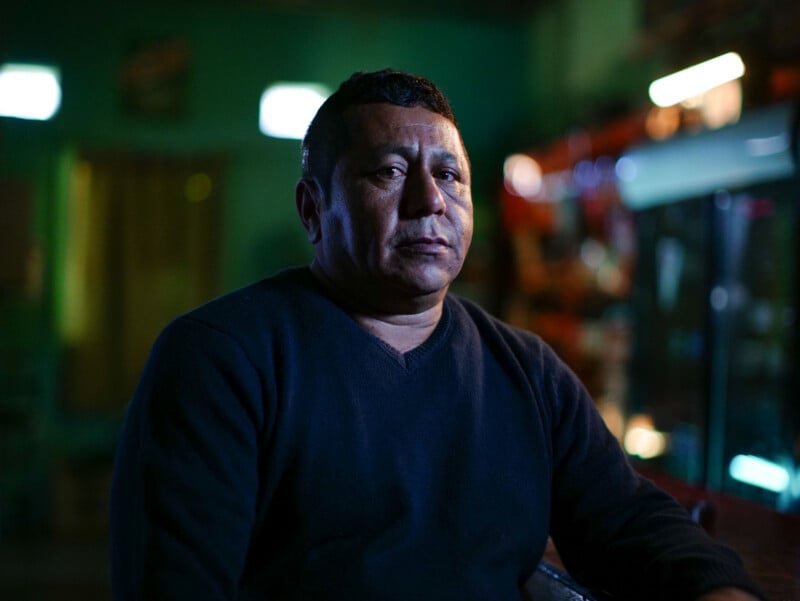
The miners recorded these clips in the hope that if their bodies were ever recovered, their families would have one final message to hold onto. Because of the profound nature of these recordings, the production team decided against heavily editing the clips or scattering them throughout the series as b-roll. Instead, the footage is presented in its near-original form, allowing the miners to tell their own story. This raw archival material is complemented by contemporary interviews with the survivors, including Omar Reygadas and Victor Zamora, who reflect on their internal experiences during those dark hours.
Campbell revealed that the recovery of this footage was a saga in itself. There were several points during production where the team feared the data was lost or unrecoverable. "And there were many moments where, as a team, we thought we might have it and then it looked like we—like it wasn’t actually there," she recalled. "Until we actually saw the footage, we didn’t think that we actually had it. And so it was really incredible."
The presence of this footage adds a layer of suspense to the documentary that news reports from 2010 could never achieve. While the world knew the "what" of the rescue, these videos reveal the "how" of the miners’ survival—the psychological toll of the darkness, the heat, and the silence.
How to Tell a Story Many People Already Know
One of the primary hurdles for any documentary focusing on a well-known historical event is the "spoiler" effect. Most viewers likely remember the climax of the story: the iconic "Phoenix" rescue capsule being lowered into the earth and the jubilant celebrations as each man emerged.

Campbell and Parris spent a significant portion of their pre-production discussing how to maintain dramatic tension when the ending is already a matter of public record. Campbell described the process as a "delicate balance," noting that they had to find "enough story and emotion and personal character story within every episode" to keep the audience engaged.
However, Parris argued that there is a certain narrative freedom that comes with a known ending. "You don’t have to hide some grand twist," he said. "The collective understanding, walking into a storytelling space where you basically know how this is going to end, allows much more intricacy in the journey to that point."

This perspective allowed the filmmakers to focus on the smaller, overlooked stories that were drowned out by the media circus in 2010. They were able to highlight the technical genius of engineers like Andre Sougarret and the logistical miracles performed by the rescue teams. They also explored the lives of the families at "Campamento Esperanza" (Camp Hope), the makeshift village that sprang up around the mine, where relatives like the Sanchez family waited in an agonizing limbo between grief and hope.
The documentary also benefits from the passage of time. With 14 years of hindsight, the survivors and rescuers are able to speak with a level of reflection and candor that wasn’t possible in the immediate aftermath of the event. The series features interviews with key figures like Al Holland, the NASA psychologist who helped the miners manage the mental strain of isolation, and Laurence Golborne, the then-Minister of Mining who became the public face of the rescue effort.
Parris likened the process of building the series to a "treasure hunt." He recalled moments in the edit suite where he would wish for a specific shot—perhaps a certain angle of a drill site or a reaction from a person in the crowd—only to find it buried deep within the hours of raw rushes they had acquired. "Rather than trying to weave a story from scratch, this felt like we were trying to wade through a sea of footage and inevitably, somewhere within it would be exactly what we needed at that moment to tell the story," he said.
By combining the global scale of the 2010 news coverage with the intimate, private recordings of the men trapped in the earth, Chilean Mine Rescue: Race Against Time seeks to bridge the gap between the public spectacle and the private miracle. It serves as a reminder of a moment when the world, for a brief period, was united in a single, hopeful cause.
Chilean Mine Rescue: Race Against Time premieres Wednesday, September 25, on National Geographic at 8:00 PM EDT. For those who miss the broadcast, the three-part series will be available for streaming on Disney+ and Hulu starting the following day.