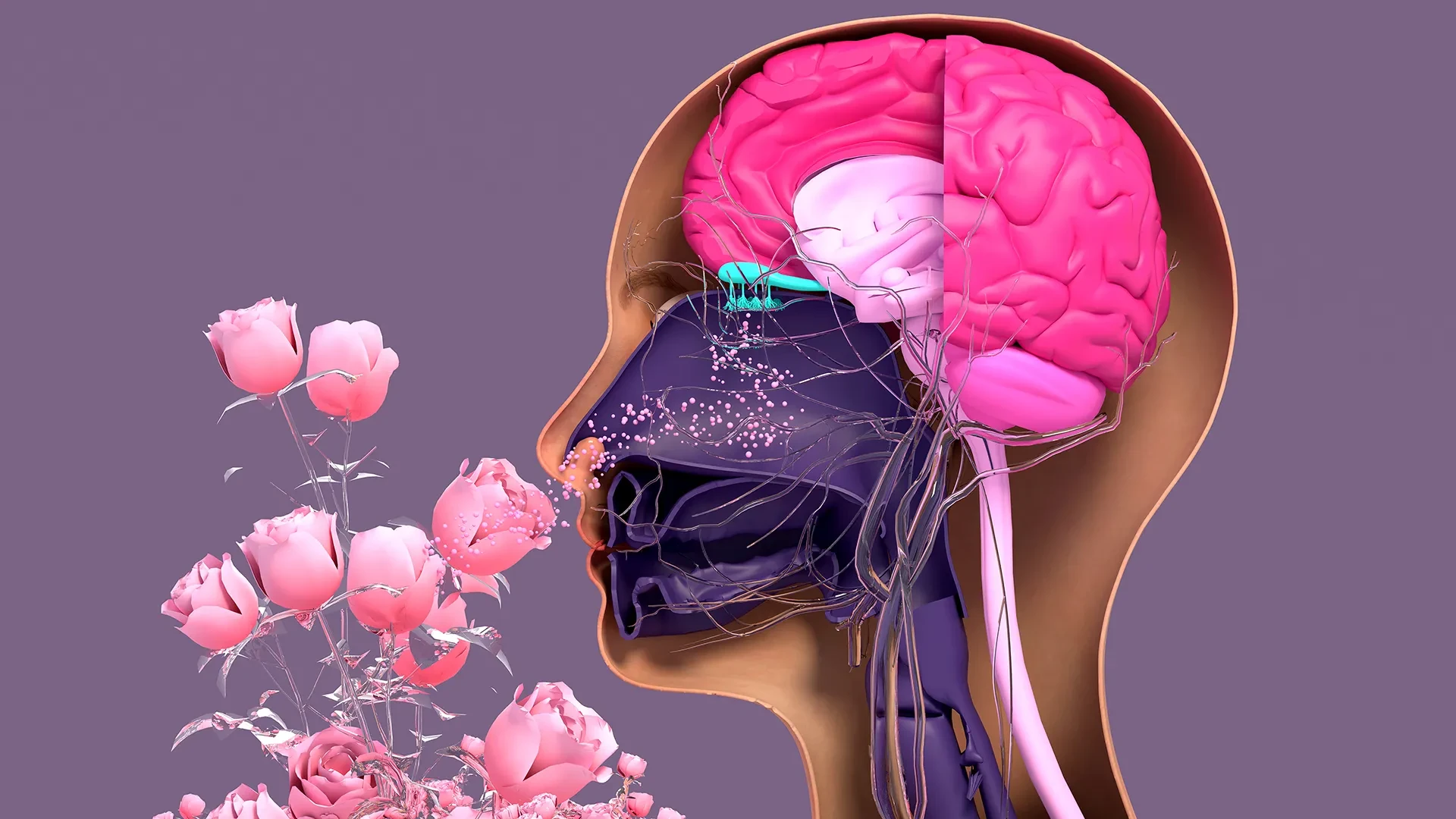
The human sense of smell is a complex and often underappreciated gateway to the world, influencing everything from the enjoyment of a meal to the detection of environmental hazards like smoke or spoiled food. Yet, the biological machinery that maintains this sense is constantly under siege. Unlike the neurons within the central nervous system, which are notoriously limited in their ability to repair themselves after injury, the sensory neurons located deep within the nasal cavity possess a remarkable, lifelong capacity for regeneration. This resilience allows humans to maintain their olfactory function despite the near-constant exposure to airborne toxins, pollutants, and pathogens.
However, this regenerative process is not invincible. Factors such as viral infections—most notably highlighted by the global COVID-19 pandemic—prolonged exposure to environmental toxins, and the natural process of aging can significantly hamper the ability of these nasal cells to replicate and function. When these regenerative pathways fail, the result is often a partial loss of smell, known as hyposmia, or a complete loss, known as anosmia.
In a significant step toward understanding and potentially reversing this decline, researchers at Tufts University School of Medicine and the Graduate School of Biomedical Sciences (GSBS), in collaboration with international colleagues, have developed a new way to study this delicate process. By creating a sophisticated three-dimensional "organoid" model of mouse olfactory tissue, the team has uncovered a surprising truth about the stem cells responsible for maintaining our sense of smell. Their findings, recently published in the journal Cell Reports Methods, suggest that a specific type of stem cell long dismissed as largely dormant actually plays a foundational role in the birth of new neurons.
A Paradigm Shift in Stem Cell Dynamics
At the heart of the study is the interaction between two primary types of stem cells found in the olfactory epithelium: horizontal basal cells (HBCs) and globose basal cells (GBCs). For years, the prevailing scientific consensus suggested a relatively straightforward division of labor. GBCs were viewed as the primary, active workhorses of the nose, constantly dividing to replace sensory neurons as they died off. In contrast, HBCs were often characterized as a "reserve" population—dormant cells that only sprang into action following a catastrophic injury to the nasal lining.
The Tufts research team, led by senior author Brian Lin, a research assistant professor in the Department of Developmental, Molecular and Chemical Biology, has now challenged this narrative. Using their new 3D model, the researchers discovered that these two cell types do not operate in isolation; rather, they exist in a state of deep interdependence.
"Our research suggests that these two stem cells may be interdependent," says Lin. "One type that we thought was largely dormant—HBCs—may actually play a crucial role in supporting the production of new neurons and the repair of damaged tissue."
By observing the cells within the controlled environment of the organoid, the team identified a specific subpopulation of HBCs that are distinguished by their production of a protein called KRT5. Rather than sitting idly by, these KRT5-positive HBCs were found to be active participants in the regenerative cycle. They appear to provide a necessary support system that allows GBCs to function effectively.
To test the necessity of these "dormant" cells, the researchers performed a depletion experiment. When they selectively removed the KRT5-producing HBCs from the organoid cultures, the results were immediate and striking: the generation of new sensory neurons was significantly impaired. This finding suggests that without the support of the HBCs, the GBCs cannot maintain the steady production of neurons required to preserve the sense of smell. This discovery reframes the HBC not just as an emergency backup, but as an essential player in the day-to-day maintenance of nasal health.
The Impact of Aging on Olfactory Regeneration