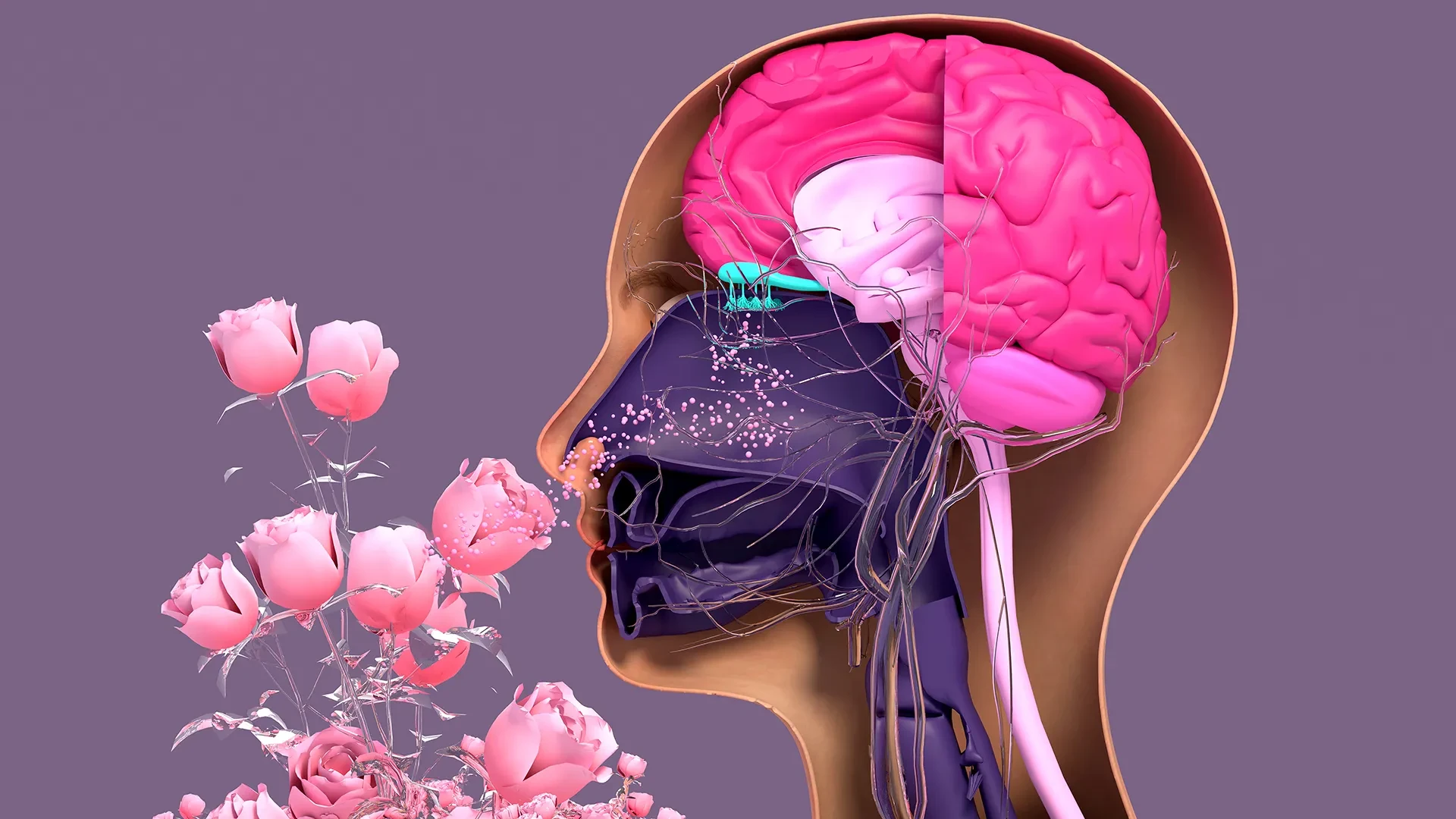
The human sense of smell is a complex and often underappreciated gateway to the world, influencing everything from the enjoyment of a meal to the detection of environmental hazards like smoke or spoiled food. Yet, the biological machinery that maintains this sense is constantly under siege. Unlike the neurons within the central nervous system, which are notoriously limited in their ability to repair themselves after injury, the sensory neurons located deep within the nasal cavity possess a remarkable, lifelong capacity for regeneration. This resilience allows humans to maintain their olfactory function despite the near-constant exposure to airborne toxins, pollutants, and pathogens.
However, this regenerative process is not invincible. Factors such as viral infections—most notably highlighted by the global COVID-19 pandemic—prolonged exposure to environmental toxins, and the natural process of aging can significantly hamper the ability of these nasal cells to replicate and function. When these regenerative pathways fail, the result is often a partial loss of smell, known as hyposmia, or a complete loss, known as anosmia.
In a significant step toward understanding and potentially reversing this decline, researchers at Tufts University School of Medicine and the Graduate School of Biomedical Sciences (GSBS), in collaboration with international colleagues, have developed a new way to study this delicate process. By creating a sophisticated three-dimensional "organoid" model of mouse olfactory tissue, the team has uncovered a surprising truth about the stem cells responsible for maintaining our sense of smell. Their findings, recently published in the journal Cell Reports Methods, suggest that a specific type of stem cell long dismissed as largely dormant actually plays a foundational role in the birth of new neurons.
A Paradigm Shift in Stem Cell Dynamics
At the heart of the study is the interaction between two primary types of stem cells found in the olfactory epithelium: horizontal basal cells (HBCs) and globose basal cells (GBCs). For years, the prevailing scientific consensus suggested a relatively straightforward division of labor. GBCs were viewed as the primary, active workhorses of the nose, constantly dividing to replace sensory neurons as they died off. In contrast, HBCs were often characterized as a "reserve" population—dormant cells that only sprang into action following a catastrophic injury to the nasal lining.
The Tufts research team, led by senior author Brian Lin, a research assistant professor in the Department of Developmental, Molecular and Chemical Biology, has now challenged this narrative. Using their new 3D model, the researchers discovered that these two cell types do not operate in isolation; rather, they exist in a state of deep interdependence.
"Our research suggests that these two stem cells may be interdependent," says Lin. "One type that we thought was largely dormant—HBCs—may actually play a crucial role in supporting the production of new neurons and the repair of damaged tissue."
By observing the cells within the controlled environment of the organoid, the team identified a specific subpopulation of HBCs that are distinguished by their production of a protein called KRT5. Rather than sitting idly by, these KRT5-positive HBCs were found to be active participants in the regenerative cycle. They appear to provide a necessary support system that allows GBCs to function effectively.
To test the necessity of these "dormant" cells, the researchers performed a depletion experiment. When they selectively removed the KRT5-producing HBCs from the organoid cultures, the results were immediate and striking: the generation of new sensory neurons was significantly impaired. This finding suggests that without the support of the HBCs, the GBCs cannot maintain the steady production of neurons required to preserve the sense of smell. This discovery reframes the HBC not just as an emergency backup, but as an essential player in the day-to-day maintenance of nasal health.
The Impact of Aging on Olfactory Regeneration
One of the most common complaints regarding the sense of smell is its gradual decline with age. As people grow older, their ability to distinguish subtle scents or even detect strong odors often diminishes. The Tufts team utilized their 3D model to investigate the biological roots of this phenomenon.
The researchers harvested cells from mice of various ages and attempted to grow them into organoids. They observed a clear correlation between the age of the donor mouse and the regenerative capacity of the resulting tissue. Cells taken from older mice demonstrated a marked decline in their ability to generate new neurons compared to those from younger mice.
"We found a decline in the ability of the older mice cells to generate new neurons," explains Lin. "We think this is due to a decrease in the GBC population as we age, but we need to do more work to test this hypothesis and if so, develop ways to rejuvenate them."
This aspect of the research opens a new window into the study of age-related sensory loss. If the decline in smell is tied to a dwindling population of active stem cells, or a breakdown in the communication between HBCs and GBCs, it may eventually be possible to develop therapies that "reboot" these cellular pathways, potentially restoring a degree of olfactory function to the elderly.
An Easy-To-Use Model
Beyond the biological discoveries themselves, the study represents a significant technological contribution to the field of sensory biology. The development of the 3D olfactory organoid was driven by a need for a model that was both physiologically accurate and accessible to the wider scientific community.
The lead author of the study, Juliana Gutschow Gameiro, played a pivotal role in this development. A former Ph.D. student visiting the Graduate School of Biomedical Sciences from the State University of Londrina in Brazil, Gameiro was dedicated to creating a model that did not require the prohibitively expensive equipment or specialized facilities often found in elite biotechnology hubs.
"Because loss of smell is associated with COVID-19, as well as with Parkinson’s disease and other conditions, a much larger number of researchers from a variety of different fields have begun researching olfactory epithelial cells in the last few years," says Lin.
The sudden global focus on anosmia as a symptom of COVID-19 created a surge in interest from researchers who were not necessarily experts in stem cell biology. By designing an "easy-to-use" model, Lin and Gameiro have provided a tool that allows scientists from diverse backgrounds—such as virologists, toxicologists, and neurologists—to study the nasal environment without having to overcome a steep technical barrier.
The mouse-based organoid allows researchers to observe the complex, multi-layered architecture of the nasal tissue in a way that traditional, flat cell cultures (2D models) cannot replicate. In a 3D environment, cells can communicate, move, and differentiate much as they would inside a living organism, providing a more realistic snapshot of how disease and aging affect the nose.
Next Step: A Human Organoid
While the mouse model has already yielded groundbreaking insights into stem cell interdependence and aging, the researchers at Tufts have their sights set on a more ambitious goal: the creation of a human olfactory organoid.
The transition from animal models to human tissue is a critical step in the development of medical treatments. The ultimate vision is to use human-derived organoids as a high-throughput platform for drug screening. Such a model would allow scientists to test thousands of potential compounds to see which ones might stimulate stem cell growth or protect neurons from damage, all without the need for initial human or animal trials.
Organoids are already revolutionizing drug discovery in other areas of medicine. Labs have successfully grown "mini-organs" that mimic the functions of the lungs, kidneys, and liver. These models make pre-clinical research faster, more cost-effective, and often more accurate than using existing human cell lines, which can lose their original characteristics over time. However, the human nose has proven to be a particularly difficult target for this technology.
"It’s challenging to get pure olfactory tissue from humans," Lin notes.
The current method for collecting these cells is invasive and technically difficult. To reach the olfactory epithelium, patients must be anesthetized while a specialized brush—similar to the long swabs used for COVID-19 PCR tests—is inserted deep into the nasal cavity. Even when successful, the sample collected is often a "mixed bag." In humans, the stem cells responsible for smell (olfactory stem cells) are closely intermingled with respiratory stem cells, which are responsible for the lining of the airway.
In the mouse model, researchers can more easily isolate the desired cells. In humans, the two types of stem cells are difficult to separate, and if they are grown together in an organoid, the respiratory cells often outcompete the olfactory cells, making it impossible to study the sense of smell in isolation.
The research team’s next challenge is to bridge this gap. They are currently working to develop a simple and inexpensive technique to separate human olfactory stem cells from their respiratory counterparts. Once isolated, the goal is to "coax" these human cells into forming the same type of 3D structures seen in the mouse model.
If successful, this work could lead to a new era of treatment for sensory disorders. For the millions of people worldwide suffering from long-term smell loss due to viral damage, neurodegenerative diseases, or the natural wear and tear of time, the "dormant" cells discovered by the Tufts team may eventually hold the key to recovery. By unlocking the secrets of how these cells support and rejuvenate one another, science moves one step closer to ensuring that the vital sense of smell remains intact throughout a person’s life.