Next Step: A Human Organoid
While the mouse model has already yielded groundbreaking insights into stem cell interdependence and aging, the researchers at Tufts have their sights set on a more ambitious goal: the creation of a human olfactory organoid.
The transition from animal models to human tissue is a critical step in the development of medical treatments. The ultimate vision is to use human-derived organoids as a high-throughput platform for drug screening. Such a model would allow scientists to test thousands of potential compounds to see which ones might stimulate stem cell growth or protect neurons from damage, all without the need for initial human or animal trials.
Organoids are already revolutionizing drug discovery in other areas of medicine. Labs have successfully grown "mini-organs" that mimic the functions of the lungs, kidneys, and liver. These models make pre-clinical research faster, more cost-effective, and often more accurate than using existing human cell lines, which can lose their original characteristics over time. However, the human nose has proven to be a particularly difficult target for this technology.
"It’s challenging to get pure olfactory tissue from humans," Lin notes.
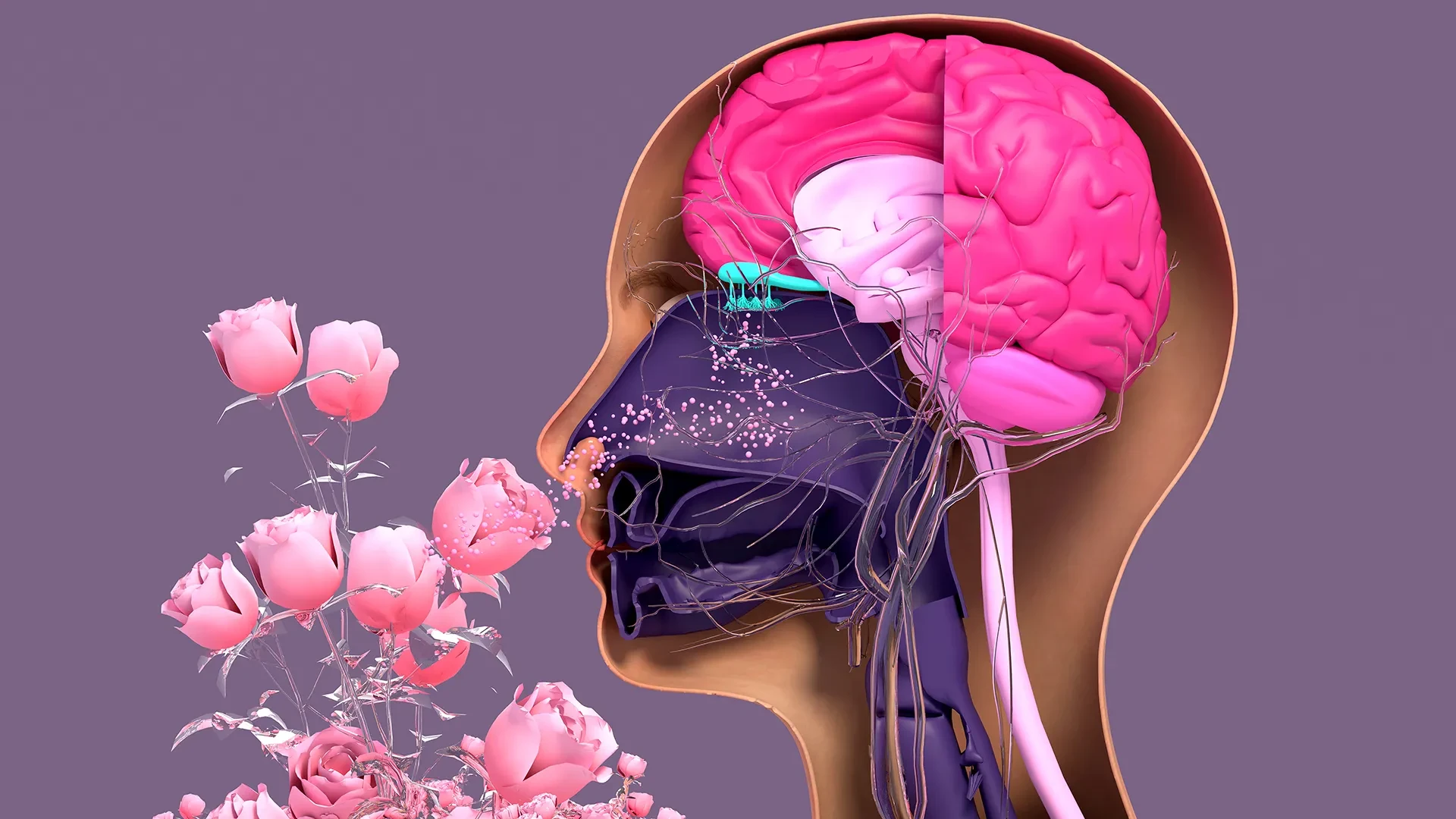
The current method for collecting these cells is invasive and technically difficult. To reach the olfactory epithelium, patients must be anesthetized while a specialized brush—similar to the long swabs used for COVID-19 PCR tests—is inserted deep into the nasal cavity. Even when successful, the sample collected is often a "mixed bag." In humans, the stem cells responsible for smell (olfactory stem cells) are closely intermingled with respiratory stem cells, which are responsible for the lining of the airway.
In the mouse model, researchers can more easily isolate the desired cells. In humans, the two types of stem cells are difficult to separate, and if they are grown together in an organoid, the respiratory cells often outcompete the olfactory cells, making it impossible to study the sense of smell in isolation.
The research team’s next challenge is to bridge this gap. They are currently working to develop a simple and inexpensive technique to separate human olfactory stem cells from their respiratory counterparts. Once isolated, the goal is to "coax" these human cells into forming the same type of 3D structures seen in the mouse model.
If successful, this work could lead to a new era of treatment for sensory disorders. For the millions of people worldwide suffering from long-term smell loss due to viral damage, neurodegenerative diseases, or the natural wear and tear of time, the "dormant" cells discovered by the Tufts team may eventually hold the key to recovery. By unlocking the secrets of how these cells support and rejuvenate one another, science moves one step closer to ensuring that the vital sense of smell remains intact throughout a person’s life.