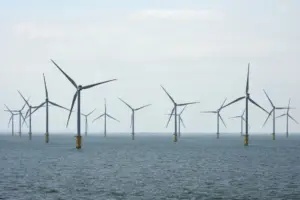
The report emphasizes that the warming is not confined to the land. In a particularly concerning development for a nation so deeply tied to the sea, the waters surrounding New Zealand are warming at a rate 34% faster than the global average. This marine warming has profound implications for the country’s ecological stability, as rising ocean temperatures influence everything from local weather systems to the health of marine biodiversity. The acceleration of ocean warming suggests that the buffering effect typically provided by the vast Southern Ocean may be shifting, leading to more intense and frequent marine heatwaves that can disrupt local fisheries and exacerbate coastal erosion. The report indicates that these oceanic changes are intrinsically linked to the atmospheric shifts observed on land, creating a feedback loop that intensifies the overall warming experienced across the islands.
Perhaps the most visible and symbolic victim of this warming trend is the country’s iconic glacial landscape. The New Zealand government warns that the current trajectory puts the nation at risk of catastrophic glacier melts in the near future. These glaciers, which are vital sources of freshwater and significant drivers of regional tourism, have been retreating for decades, but the pace of loss is expected to accelerate as heatwaves become more common. The loss of these ice masses is not merely an aesthetic or environmental concern; it represents a fundamental change in the hydrological cycle of the South Island, potentially affecting water availability for agriculture and hydroelectric power generation during the drier summer months. As the permanent snowline continues to recede, the stability of alpine environments is also called into question, with the report suggesting that the increased frequency of extreme heat will likely lead to more frequent landslide events and changes in high-altitude ecosystems.
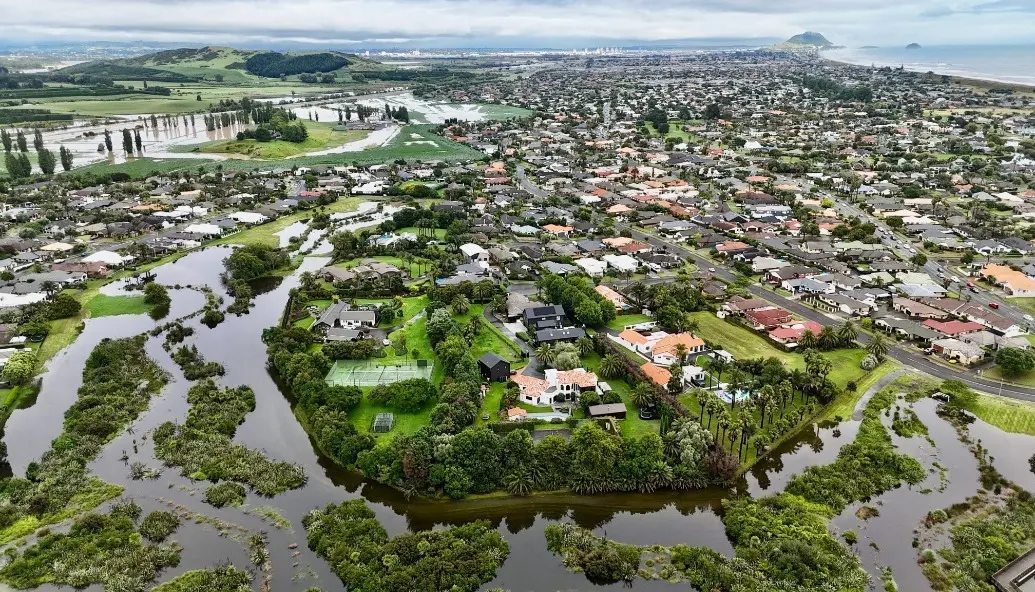
Beyond the natural environment, the report provides a detailed assessment of how climate change is beginning to compromise New Zealand’s man-made infrastructure. One of the most significant findings involves the vulnerability of the national transport network. Approximately 1% of New Zealand’s road network is now classified as being exposed to coastal flooding, a figure that may seem small in isolation but carries immense socio-economic weight. This exposure threatens to isolate approximately 140,000 people and 15,000 businesses from essential goods and services. In many of New Zealand’s more remote or coastal regions, road networks are the only viable lifelines for the delivery of food, medical supplies, and commercial products. The report suggests that even temporary closures due to flooding can lead to significant economic disruption, while permanent damage could necessitate the relocation of entire communities or the construction of expensive new inland routes.